

Best Food Grade Silica: The Ultimate Guide to Safe and Effective Uses
2026-05-10
When it comes to food safety and product quality, the tiny details often make the biggest difference. One such detail is food grade silica—a powerhouse anti-caking agent you’ve probably encountered without even knowing it. From keeping your spice blends free-flowing to ensuring your favorite powdered supplements stay fresh, this mineral plays a quiet but critical role. But not all silica is created equal, and understanding what makes a safe, effective source is key. That’s where Zhonglian comes in—a trusted name helping industries and consumers alike navigate the world of premium food grade silica with confidence. In this guide, we’ll break down everything you need to know about its uses, benefits, and how to choose the right type without the guesswork.
What Makes Silica “Food Grade” Anyway?
Silica is basically silicon dioxide, a naturally occurring compound found in everything from quartz to sand. But the stuff you’d scoop from a beach isn’t exactly what’s shaken into your grated cheese. Food-grade silica undergoes a series of purification steps that strip away unwanted minerals and contaminants. The goal is to isolate an ultra-fine, amorphous powder that behaves as an anti-caking agent without altering the taste or safety of your food.
Getting that “food grade” label isn’t just about purity—regulatory bodies like the FDA and EFSA set strict limits on heavy metals like lead and arsenic. Manufacturers synthesize it through controlled chemical reactions, often from sodium silicate, ensuring consistent quality. The result is an inert, indigestible particle that passes through your body without harm, simply preventing your spices from clumping or your powdered drinks from turning into bricks.
Surprising Places Food Grade Silica Touches Your Life
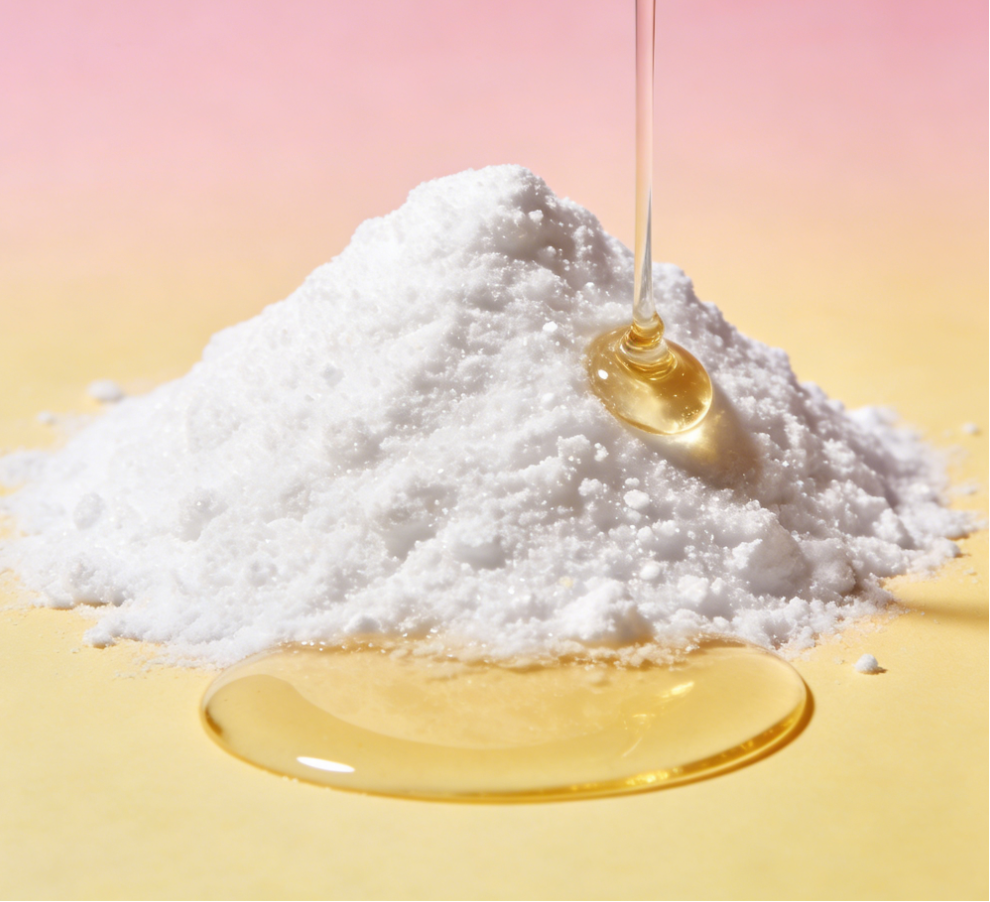
You might not think about it while sprinkling salt on your fries, but food grade silica is quietly preventing those grains from clumping together. This natural anti-caking agent works its magic in countless pantry staples—from spices and baking powder to instant coffee and grated cheese. By absorbing excess moisture, it keeps powders flowing freely and extends shelf life without altering taste or appearance.
What’s less obvious is how this versatile material speaks on your behalf during meals. Dental impressions rely on a putty-like substance containing silica to capture precise tooth shapes for crowns and aligners. It’s also tucked inside toothpaste, gently polishing enamel without scratching. Even the clear coats on pills and vitamins use silica to ensure smooth, glossy finishes that are easy to swallow.
It gets weirder: that crystal-clear beer or fine wine you’re enjoying? Silica often plays a behind-the-scenes role in filtration, stripping away haze-causing proteins and unwanted particles. And if you’ve ever admired a crisp printed menu or glossy packaging, silica’s matting power likely helped tone down the shine. From the pages you touch to the drinks you savor, this invisible helper is everywhere you never expected.
The Real Safety Story Behind Silica
Silica gel packets are everywhere—tucked inside shoe boxes, electronics, and even food packaging—stamped with ominous warnings like “DO NOT EAT.” That stark label might make you think the contents are toxic, but the real story is much less alarming. Silica gel is essentially porous sand; it’s chemically inert and non-toxic. The dire warning exists primarily because the packets are a choking hazard, especially for children, and because some contain a moisture indicator, cobalt chloride, which can be harmful if ingested in large quantities. In truth, swallowing a bead or two usually just passes through you without issue.
The bigger safety concern with silica isn’t in those familiar desiccant packs but in a less visible form: respirable crystalline silica dust, commonly generated during construction or mining. This fine dust can lodge deep in the lungs, leading to silicosis—an irreversible and often deadly lung disease. So while the packet in your new handbag poses little threat, the real danger lies in workplaces where silica dust fills the air without proper ventilation or masks. That’s the safety story that doesn’t get printed on a label but impacts far more lives.
Picking Quality Silica Without the Guesswork
Not all silica is created equal, and relying on touch or price alone often leads to costly mistakes. The real difference lies in what you can’t see—particle shape, pore structure, and surface chemistry. When these factors align, the material flows freely, disperses evenly, and performs without hiccups. Instead of gambling on bulk density or vague “high purity” claims, focus on how the silica interacts with your specific system. A quick water absorption test can reveal more than a spec sheet ever will, showing whether the particles are truly mesoporous or just cheap fillers.
Start by requesting a sample that matches your processing conditions—not just the grade name. Run it through your mixer, your coating line, your extrusion process, and watch for subtle changes. Does it clump or dust excessively? Does it drag down viscosity or leave a gritty texture? These nuances matter far more than generic certifications. And don’t be swayed by suppliers who push the same solution for every application; a silica that shines in high-gloss coatings might ruin a matting agent’s performance elsewhere. Trust the behavior under real stress, not the marketing.
Finally, look beyond the bag. Ask how the silica is handled, stored, and shipped—moisture pickup during transit can quietly sabotage months of formulation work. A supplier who shares their manufacturing tolerance data and offers batch-to-batch consistency reports saves you the detective work later. The goal isn’t to find the cheapest or the most famous brand, but one that lets you stop second-guessing every batch. Once you shift from hoping it’s right to knowing it’s right, the guesswork vanishes for good.
Unexpected Ways to Put Silica to Work
Beyond its familiar role in glass and electronics, silica quietly shapes our daily lives in surprising ways. It finds its way into toothpaste as a gentle polishing agent, scrubbing away plaque without scratching enamel. In the world of art conservation, conservators use silica gel to control humidity inside museum display cases, preserving fragile artifacts from moisture damage with remarkable precision.
Silica’s porous structure also makes it an excellent filter for water purification, trapping impurities at a microscopic level. In the food industry, it acts as an anti-caking agent, keeping powdered spices and grated cheese free-flowing. Even winemakers rely on a silica-based fining agent to clarify wines by removing unwanted proteins and tannins, leaving behind a crystal-clear pour.
Perhaps most unexpectedly, silica supports green technology through advanced insulation materials. Aerogel, sometimes called “frozen smoke,” is a silica-based sponge of air that blocks heat transfer so effectively it’s used in extreme environments like oil pipelines and spacecraft. On a consumer level, silica aerogel blankets now insulate slim winter jackets, offering warmth without bulk. These examples reveal how silica’s unassuming chemistry pitches in far beyond the expected, blending utility with everyday life.
Handling Silica: Slip-Ups Even Pros Make
Even seasoned workers sometimes brush off the fine dust clinging to their clothes after cutting concrete, forgetting that a quick pat-down just sends those invisible silica particles airborne again, right at nose level. It’s not just about wearing a respirator; it’s about how you take it off. Tossing it on a dusty dashboard then putting it back on later packs all that accumulated powder straight into your lungs on the next inhale. Simple habits like a damp wipe-down of faces and hands before a break would catch many of those stealthy exposures, yet in the rush to finish, they’re often the first corners cut.
Another classic oversight is trusting water suppression methods without checking the flow. A weak spray or a misaligned nozzle on a saw can fail to catch the real plume, leaving the operator standing in a cloud they can’t see. Pros who should know better sometimes keep cutting because they hear the water running, unaware that the silica has already escaped the capture zone. Even more nuanced, the placement of a portable vac exhaust matters—aim it the wrong way and you’ve just turned a containment solution into an efficient room fogger.
Then there’s the cleanup phase, where brooms get swapped for compressed air and everything goes sideways. Blowing down a work area seems like fast housekeeping, but it’s a guaranteed way to load the air with respirable silica that hangs for hours after everyone’s mask is off. The same goes for dry sweeping around a drill site moments before pulling away half-masks, thinking the job’s done. Pros slip when they separate the task from the exposure timeline, forgetting that silica doesn’t settle quickly—it lingers, waiting for the next unprotected breath.
FAQ
Food grade silica is a specially processed form of silicon dioxide that meets strict purity standards for safe use in food contact and consumption. Unlike industrial silica, it's free from harmful contaminants and has a particle size and structure optimized for human safety. This means it won't react with food, leach chemicals, or pose a respiratory risk when used as intended. Regular silica might be used in things like desiccants for electronics, which are not safe to ingest or cook with.
Several factors set it apart: it's chemically inert, so it won't interact with acidic or alkaline foods; it's non-toxic and doesn't release harmful substances even under high heat; it's resistant to microbial growth due to its low moisture absorption; and it's physically stable, meaning it won't break down into dangerous dust or sharp fragments during normal use. These properties are certified by food safety authorities like the FDA or EFSA.
Look for clear manufacturer declarations, certification marks like FDA compliance, and specific product labeling that states 'food grade' or 'meets food contact standards.' Reputable brands provide traceable test reports. Physically, high-quality food grade silica feels smooth and flexible, has no rubbery smell, and doesn't leave a residue when rubbed. Be cautious of vague terms like 'premium silicone'—if it doesn't specify food safe, it might not be.
Typically, it withstands temperatures from about -40°F to 450°F (-40°C to 230°C), and some can go up to 500°F (260°C). This makes it safe for freezers, microwaves, ovens, and dishwashers. However, always check the manufacturer's limits—direct flame or broiler elements can damage even food grade silica. In microwaves, it heats evenly and won't spark, but avoid overheating empty containers.
Most are dishwasher safe, but hand washing with mild soap and warm water is gentler. Avoid abrasive scrubbers that can scratch the surface. Stubborn smells or stains can be removed by soaking in a mixture of hot water and baking soda or by baking the item at a low temperature for an hour. Thoroughly dry after washing to prevent moisture buildup. Store flat or hanging to avoid creases that might become weak points.
When properly manufactured and used, food grade silica is considered very safe. The main risks come from counterfeit products that might contain fillers or non-food-grade materials. With genuine products, there's no known migration of harmful substances into food, even with fatty or acidic dishes. Silica dust inhalation is a concern during industrial handling, but for consumers using solid silicone goods, particle release is negligible.
It generally offers even heat distribution, which helps prevent burnt edges and undercooked centers. Since it's non-stick, you often need less butter or oil, which can subtly lighten the texture. Some bakers note that crusts develop differently—slightly less crisp than metal pants, but giving a more tender crumb. Flavors stay pure because silica doesn't impart any metal or chemical taste to the food.
Conclusion
Food grade silica sounds like a hyper-specialized lab ingredient, but it’s already sitting in your spice rack, your morning smoothie powder, and that bag of jerky you snacked on last week. The “food grade” label isn’t just marketing fluff; it means the silica has been purified to remove any crystalline nasties, leaving only amorphous silicon dioxide that regulators across the globe have repeatedly deemed safe in small quantities. It doesn’t react with what you eat, has no taste or odor, and works simply by absorbing microscopic moisture that would otherwise turn your favorite seasonings into a solid brick. This silent, inert helper has become so woven into modern food production that most of us interact with it daily without a second thought—and the safety record is refreshingly boring, which is exactly what you want from something so close to your plate.
Picking a quality product without the guesswork mostly comes down to transparency: look for suppliers who clearly state purity levels and intended food use, because not all silica packets are created equal. The same stuff that keeps your powdered sugar flowing can be repurposed in clever ways—think home-brew clarification, keeping stored seeds viable, or even drying out a waterlogged gadget in an emergency (just don’t confuse it with the beads that get tossed into industrial machinery). Handling mistakes are where even seasoned tinkerers trip up, usually by inhaling the ultra-fine dust or assuming any desiccant is belly-friendly. A quick label check and a little ventilation go a long way, turning an unassuming powder into one of the most quietly versatile and trusted tools in your cupboard.
Contact Us
Contact Person: Levin Wang
Email: [email protected]
Tel/WhatsApp: 8618668999988
Website: https://www.silicaplant.com/