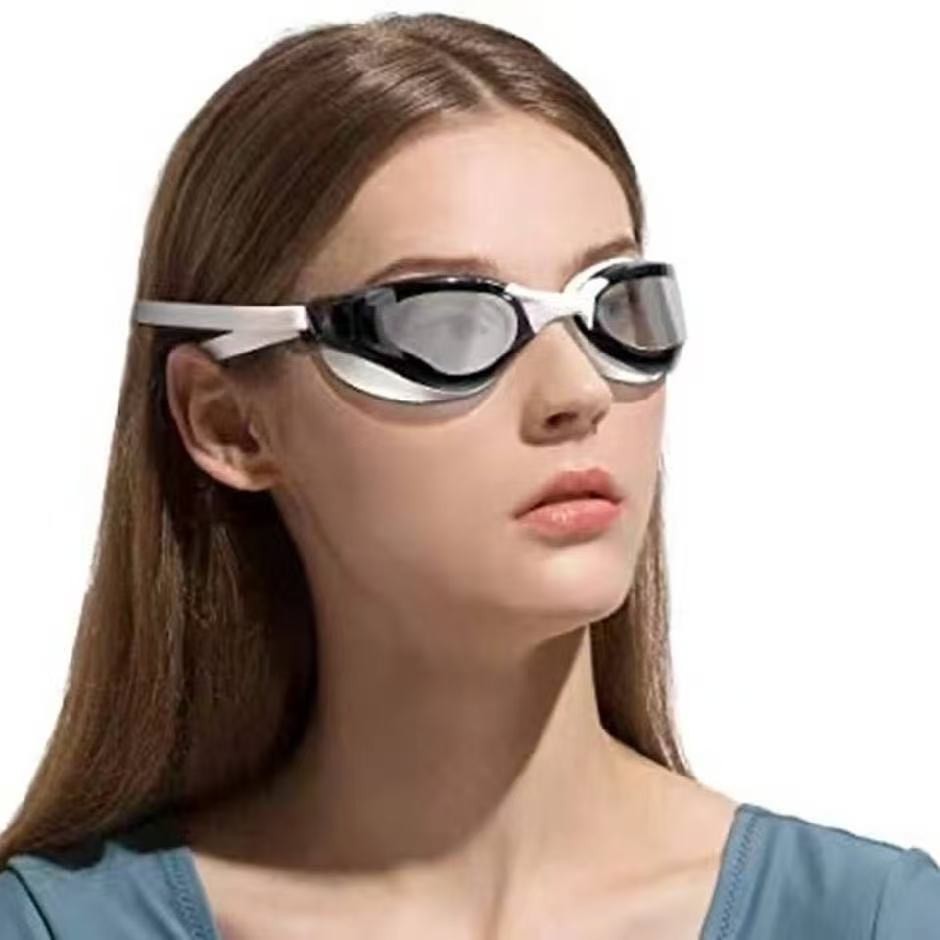

Best Snorkel Mask for Crystal Clear Underwater Views
2026-09-09
You know that moment when you float face-down and the world below snaps into focus—no fog, no leaks, just vivid coral and curious fish? That’s exactly what a top-tier snorkel mask should deliver. But with so many options claiming “crystal clear,” finding the one that actually lives up to the promise can feel like hunting for a needle in a coral reef. Enter OCORT, a brand that’s quietly redefining what a snorkel mask can do. In this guide, we’ll cut through the hype and explore what makes the best snorkel mask for crystal clear underwater views—so your next breath underwater is as clear as the sight.
The Lens Test: How to Spot Crystal-Clear Glass Before You Buy
Hold the lens up to a bright, evenly lit surface and tilt it slowly while watching how the reflections move. A truly clear piece of glass will show smooth, undistorted reflections that glide across the surface without any ripples or sudden jumps. If the reflected image warps, stretches, or appears to wiggle as you rotate the lens, that's a sign of surface irregularities or internal strain. Look especially for a phenomenon called "orange peel" — a subtle wavy texture that becomes visible under oblique light. Run this test near a window or under a bare LED bulb, as diffused overhead lighting can hide minor flaws.
Next, use a printed page or a fine grid pattern placed a few inches behind the lens. Move the lens slowly from side to side and up and down while keeping the pattern in focus. High-quality optical glass will show no movement in the pattern — it should remain perfectly still and crisp. If the text or lines seem to shift, swim, or change shape as the lens moves, the glass has internal variations in density or thickness. This is a common defect in cheap molded lenses, even when they look flawless at first glance. Pay extra attention to the edges: many defects concentrate near the rim where the glass was cut or pressed.
Finally, check for color fringing by looking at a high-contrast edge — like a white doorframe against a dark wall — through the very edge of the lens. Tilt your head so the edge passes across your center of vision. Crystal-clear glass should not introduce any color halos. A faint blue or orange fringe along the boundary is a telltale sign of chromatic aberration or cheap coatings. Don't be fooled by a perfectly clean center; almost every optical defect becomes most visible when you deliberately look through the outermost millimeter of the lens. If the edge stays neutral and sharp, you're holding a good piece of glass.
A Seal That Breathes With You, Not Against You
Most seals fight pressure. They stiffen, hold fast, and eventually fail when movement or moisture pushes back. This one works differently. It flexes with the rhythm of your body or the shifting air around it, letting vapor escape while still blocking water and wind. The result is a barrier that feels less like a wall and more like a second skin.
On a rainy trail or a humid morning, you notice the difference quickly. Instead of that clammy, trapped heat building up inside your jacket or tent, the seal quietly vents it out. There's no flapping, no cold drafts sneaking back in—just a steady exchange that keeps the inside dry and comfortable. It's the kind of detail you stop thinking about, because it simply works.
The real test comes over time. Repeated stretching, temperature swings, dirt and salt—ordinary seals break down under that kind of stress. A breathing seal, though, uses those same forces to stay supple. It doesn't fight your movement or the weather; it moves with both, which is exactly why it lasts longer than anything that tries to hold its ground.
Fog-Free From the First Breath to the Last
Some anti-fog coatings work great for the first few minutes, then give up halfway through your dive or ride. Not this one. The moment you exhale, the lens stays clear—no blurry patches, no frustrating wipe-downs. That clarity doesn't fade as the session wears on. It holds from the very first breath you take behind the mask until the very last, long after most coatings would have surrendered.
Think about how many times you've pulled off your goggles mid-activity just to rub away fog. With this treatment, that interruption disappears. Whether you're breathing hard on a steep climb, caught in humid weather, or simply wearing a face shield for hours, the surface resists condensation from the start. And it keeps resisting, breath after breath, without needing reapplication.
The secret isn't a one-time spray that wears off. It's a bond that becomes part of the lens itself, working silently while you focus on what matters. Your first inhale fogs nothing. Your deepest exhale fogs nothing. Even that final, tired breath at the end of a long day leaves the view as sharp as when you began. That's the promise: fog-free, uninterrupted, from the first breath to the last.
The Case for a Lens That Curves With Your Gaze
Most lenses are ground to a single prescription and then ask your eyes to adapt. But your gaze rarely stays put—it drifts across a page, jumps between a dashboard and the road, or scans a screen at varying distances. That mismatch forces the eye muscles to work harder than they should, which is why so many people end the day with tired, dry eyes even when their vision tests say everything is fine.
A lens that changes its curvature in response to where you look addresses that mismatch directly. Instead of one fixed optical zone, the lens continuously reshapes itself, pulling the sharpest focus toward the exact spot your pupil is aimed at. Peripheral areas stay soft, central detail stays crisp, and the transition between near and far feels less like a compromise.
The practical upside shows up in tasks that push ordinary lenses to their limit. Long hours of close work no longer demand constant micro-adjustments to keep text legible. People who switch between reading and distance don't experience that brief blur as their eyes hunt for the right power. And because the lens follows motion rather than waiting for the eye to settle, there's far less strain in dynamic settings—whether you're watching a tennis match or checking traffic before a lane change.
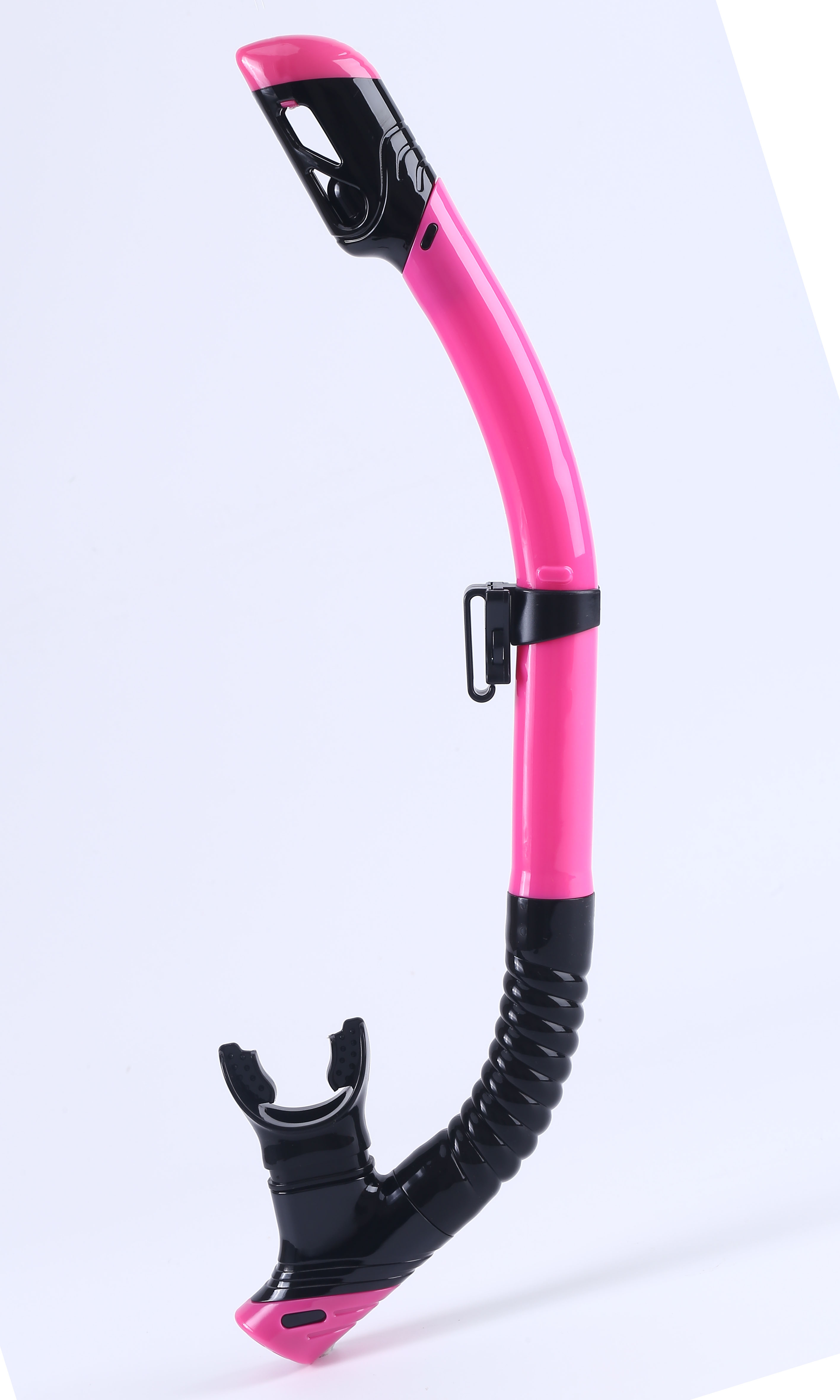
Dry Snorkel, Calm Mind: When Waves Break Overhead
A dry snorkel changes how you react when a wave rolls over your head. Instead of sucking in salt water and fighting the urge to surface, you feel the valve close and keep the tube clear. That small mechanical click, almost too faint to hear, becomes a signal that you can stay under for a few extra seconds and let the surge pass. Your mask stays sealed, your breathing stays even, and the wave simply becomes background noise rather than a threat.
The real shift is mental. When you trust the gear to handle the splash, your shoulders drop and your heart rate settles. You stop chasing the surface every time the water churns, and instead you learn to read the swell: hold, breathe, wait for the light to flatten. Panic feeds on surprises, but a dry snorkel removes the biggest surprise of all. That lets you focus on small adjustments—tucking your chin, relaxing your grip on the reef, letting your fins drift—until the chop passes and you rise again with clear air and a steadier mind.
Straps That Stay Put When You Finally Spot a Turtle
You spend hours scanning the water, waiting for that one telltale head to break the surface. The moment happens fast — and if your binocular strap is sliding off your shoulder or twisting around your neck, you fumble the view. These straps don't do that. They stay planted exactly where you put them, so your hands go straight to the eyecups and your eyes stay on the turtle.
The trick is in the grip texture on the underside, which grabs onto shirts, jackets, and even slick rain shells without feeling sticky or stiff. No more constant readjusting, no more missed sightings because you were untangling yourself. When that shell finally appears, you'll be ready to watch instead of wrestle.
FAQ
It usually comes down to the lens quality—tempered glass with an anti-reflective or optical-grade finish makes a big difference. A low-volume design also helps because your eyes sit closer to the lens, widening the field of view and reducing distortion.
Not necessarily. Full-face masks offer a wider panoramic view and less fogging if designed well, but traditional masks with separate snorkels often give sharper, more natural vision because the lens sits closer to your face. The best choice depends on your comfort and breathing style.
A simple trick is to rub a tiny drop of baby shampoo or mild dish soap on the inside of the lens, rinse lightly, and let it dry. Commercial anti-fog gels work too, but avoid touching the lens after application. Proper fit and not breathing through your nose also help.
A double-sealed skirt with soft silicone creates a good seal without pressure points, which stops water leaking in. Leaks are the fastest way to lose clarity. Make sure the skirt fits your face shape—some brands offer low-profile or narrower options.
Yes, many quality masks support drop-in corrective lenses or can be custom ordered with prescription lenses. This is a huge plus if you normally wear glasses, because it keeps everything underwater sharp without needing contact lenses.
Black skirts block side light and reduce glare, which can actually improve contrast and focus on what's ahead. Clear skirts let in more ambient light and feel more open, but some people find that extra light causes reflections. It's mostly personal preference.
Rinse it with fresh water after every use, let it air dry away from direct sunlight, and store it in a hard case to avoid scratches. Occasionally apply a plastic-safe UV protectant to the silicone skirt. Avoid wiping the inside lens with rough cloths.
Conclusion
A snorkel mask can make or break your time in the water, and the difference usually comes down to a few overlooked details. Start by holding the lens up to a light source: if you see ripples, haze, or a greenish tint, the glass is cheap and will soften every coral and fish you encounter. Tempered optical glass with a true mineral finish is what you want, and a curved, single-lens design keeps your peripheral vision intact when a school of tangs sweeps past your shoulder. But sharp optics mean little if the skirt fights your face. The best masks use soft, medical-grade silicone that flexes with your jaw and cheekbones instead of flattening against them like a suction cup. You should be able to inhale gently through your nose and feel the mask pull closer, not leak. And if fog creeps in after a minute, the mask is missing a proper anti-fog treatment or lacks a well-designed nose pocket that lets you equalize without breaking the seal.
When the surface gets choppy, a dry-top snorkel keeps saltwater from trickling down your breathing tube, and a purge valve at the bottom clears whatever does manage to sneak in. That calm, unobstructed breath is what lets you hover motionless above a reef without gulping air or lifting your head. The straps deserve more credit than they get: a wide silicone split-strap with easy-adjust buckles stays put even when you twist to follow a sea turtle into the blue. Cheap plastic clips and thin elastic slip the moment you need them most. Finally, check the frame. Low-profile, low-volume masks sit closer to your face, improving the field of view and reducing drag when you swim against current. All these details add up to a mask that feels invisible in the water, leaving nothing between you and the reef but clear glass and calm breathing.
Contact Us
Contact Person: Wendy
Email: [email protected]
Tel/WhatsApp: 86 18807398467
Website: https://www.zlfswim.com