

Best Stainless Steel Protective Film Company: How to Choose the Right Supplier for Your Needs
2026-10-04
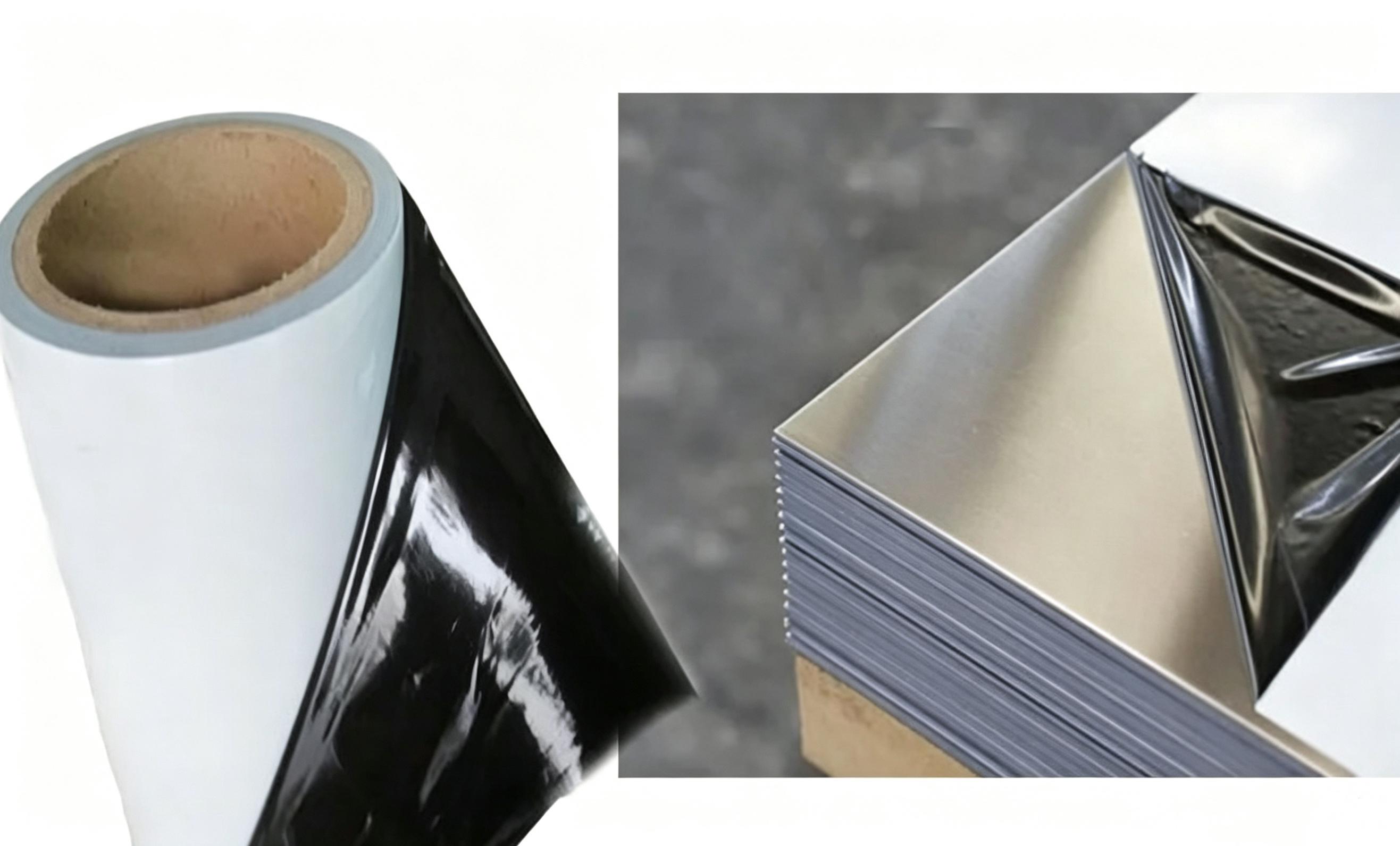
What if your stainless steel protective film supplier is quietly costing you more than you realize? The signs aren't always obvious—until a batch fails and your finished product is covered in micro-scratches. Choosing the right company isn't just about specs; it's about trust and track record. Brands like Shire have earned that trust through consistent performance. This guide will help you identify the supplier that truly fits your needs.
Film Composition That Survives Abrasive Shop Floors
Most floor films fail not because they lack hardness, but because they ignore how abrasion actually happens in a working shop. A pallet dragged under load, a dropped wrench skidding across concrete, constant foot traffic grinding fine metal particles into the surface—these aren’t single impacts, they’re repeated shear forces. The films that survive typically pair a high-crosslink-density polyurethane or epoxy base with just enough elastomeric modifier to stop microcracks from propagating. That balance keeps the surface glassy enough to resist cutting, yet flexible enough to absorb the tiny distortions that would otherwise flake a brittle coating away.
Filler choice is where many formulations quietly go wrong. Instead of relying on coarse silica or aluminum oxide alone, the tougher products blend multiple particle sizes—often including ceramic microspheres or carborundum with a narrow size distribution—so the exposed surface doesn’t develop deep wear tracks. A tighter packing density means the resin matrix itself isn’t asked to carry the entire abrasive load. The result is a film that keeps its profile longer, even under steel-wheeled carts or grinding dust that acts like sandpaper when walked over day after day.
Application thickness still matters more than most data sheets admit. A thinner film might cure harder, but it leaves little room for the sacrificial wear layer that eventually erodes. Shops that see the worst abuse usually go with a two-coat system: a penetrating primer to lock into the concrete and a topcoat that carries the real abrasion resistance. This isn’t about adding more product for its own sake—it’s about putting the toughest chemistry only where the wear actually occurs, which keeps the floor from turning into a brittle shell that cracks under thermal cycling or heavy vibration.
Why the Cheapest Option Usually Costs More Over Time
It's tempting to grab the lowest price tag and feel good about the immediate savings, but that initial bargain often hides a slow leak in your wallet. Cheap materials wear out faster, cheap tools break under normal use, and cheap services cut corners that you end up paying someone else to fix. What looks like a smart short-term decision quietly becomes a recurring expense, turning a one-time purchase into an ongoing subscription to frustration.
Beyond the obvious repair and replacement costs, there's the hidden tax of your own time and energy. A budget item that fails mid-task forces you to stop, troubleshoot, and hunt for a replacement—often at the worst possible moment. The cheapest option frequently demands more maintenance, more babysitting, and more mental overhead. Meanwhile, a mid-range or quality choice just works, freeing you to focus on things that actually matter.
The real trap is that cheap products train us to expect less. We normalize the flimsy zipper, the fading print, the wobbly handle, and before long, we're buying the same thing twice or three times without noticing the total. When you calculate cost per use instead of sticker price, the "expensive" option is usually the genuine bargain. The cheapest choice doesn't save money—it just delays the bill and adds interest in the form of inconvenience and disappointment.
Getting the Right Adhesive for Curved or Textured Steel
Curved and textured steel surfaces often defeat standard rigid adhesives. Stress concentrates at the crown of a bend or the high points of a roughened profile, so a product that works on flat sheet can peel away or leave voids in the valleys. Look for an adhesive with moderate elongation and high toughness rather than chasing maximum tensile strength. It needs to flex with the curve instead of fighting it.
Thixotropic pastes are usually a better choice than thin liquids. They stay put on vertical or overhead curves and bridge the gaps between texture peaks without sagging. If the steel has deep embossing or a coarse blast profile, a gap-filling formulation with a longer open time gives you room to position and clamp the parts without starving the joint of adhesive.
Surface preparation still matters, but don’t flatten the texture. Clean the steel with a suitable solvent and lightly abrade any coating, then keep the roughness intact – it gives the adhesive more mechanical bite. A two-part acrylic or toughened epoxy works for structural loads, while a polyurethane handles vibration and thermal movement well. When in doubt, run a small test on an offcut, because a porous or heavily patterned surface can wick adhesive away from the bond line faster than expected.
How to Check a Supplier's Track Record Before You Order
Start by pulling up the supplier’s profile on the platform where you found them, but don't stop at the star rating. Scroll past the first page of reviews and look for recurring complaints about shipment delays, mismatched specs, or silent periods after payment. A few negative comments are normal; a pattern across multiple months is not. Cross-check the company name on trade forums and industry groups where buyers share unfiltered experiences, and pay attention to how the supplier responded to criticism—defensive replies often reveal more than the original complaint.
Next, verify the operational details that scammers tend to fake. Ask for their business license number and run it through the issuing country’s official registry if available. Compare the registered address with the one on their website and shipping labels. A mismatch isn’t always fatal, but combined with a recently created domain or copied product photos, it’s a strong signal to walk away. Request references from three buyers who ordered similar quantities within the past year, then actually contact them with specific questions about lead times, quality consistency, and how problems were resolved.
Finally, place a small trial order before committing to a large one. Use a payment method with buyer protection, and document every promise about materials, dimensions, and delivery dates in the purchase order. During the trial, monitor communication rhythm and whether the supplier proactively updates you on progress. If the sample arrives late, differs from the approved spec, or the supplier goes quiet when you raise concerns, treat that as the track record you were looking for—not a one-off mistake to overlook.
Custom Slitting and Packaging That Actually Fits Your Process
Every production line has its own rhythm, and your slitting needs shouldn't force you to change the beat. We start by looking at your actual workflow—roll widths, core sizes, film tension, even how your operators move materials—then tailor the slitting and packaging steps around those specifics. No off-the-shelf assumptions, no forcing your process into a standard mold. Instead, you get a setup that drops right into the way you already work, cutting down on handling time and reducing the usual friction between converting and final packing.
The difference shows up in the details you don't have to think about. Maybe your line prefers smaller master rolls for easier loading, or you need edge trimming that doesn't leave dust on sensitive films. We configure blade types, rewind tension, and splice methods to match your materials and downstream equipment. Packaging gets the same treatment: from interleaving and core plugs to moisture barrier wraps, each choice is based on how your product is stored, shipped, and unloaded at the customer's end. The result is a slitting and packaging step that feels less like an outsourced service and more like an extension of your own plant floor.
Because we build the process around your reality, you see fewer unexpected stops and a lot less material waste. Operators aren't fighting a generic spec sheet; they're working with slit rolls that arrive ready for the next stage, whether that's pouch making, label application, or direct fulfillment. Over time, this custom fit translates into better run rates and cleaner handoffs—without the usual trial-and-error period that comes with forcing a square peg into a round hole.
The Questions That Reveal a Partner, Not Just a Vendor
Most procurement checklists are designed to filter suppliers, not to find someone you can actually build with. The questions that mark the difference rarely show up in an RFP. They sound more like conversations than interrogations: “What happens when we disagree on scope?” or “Tell me about a time you told a client no and why.” These aren't polite small talk—they expose whether the other side sees your constraints as problems to solve together or as justifications for a change order and how they behave when the roadmap gets muddy.
A vendor answers in deliverables, timelines, and ticket numbers. A partner answers with trade-offs, risks, and the reasoning behind past choices. Ask about their decision-making process when budgets tightened or when the original plan stopped making sense. The ones worth keeping will admit what they'd do differently and ask about your tolerance for uncertainty before prescribing a solution. If every reply sounds rehearsed, you're likely talking to someone who has optimized for the sales cycle rather than the relationship.
The real test is how questions get turned back on you. A vendor waits for your requirements and fills in the blanks. A partner probes your assumptions, asks why a feature matters, and occasionally suggests something less efficient but more resilient. By the end of a first conversation, you shouldn't just know if they can do the job—you should know how they'll behave when the job changes. If that feels uncomfortable, good. It means you're finally asking the questions that matter.
FAQ
Look beyond the product sheet. Ask for samples and test them on the exact finish you run—brushed, mirror, or embossed. The film should peel cleanly after weeks of exposure, not just on day one. Also check whether the supplier can handle your widths without splicing, because splices often cause issues on roll-fed equipment. A good supplier will ask about your application before quoting anything.
Request an accelerated aging test. Apply the film to a sample panel, leave it in a warm area or under UV light for a couple of weeks, then remove it and inspect under bright lighting. If the supplier hesitates to provide samples or only shows lab data, treat that as a red flag. Real-world testing on your own material is the only reliable way to catch adhesive transfer.
Yes, and it matters more than many buyers realize. Thicker films, usually above 60 microns, absorb impacts from bending, punching, or dragging across work tables. Thin films might be cheaper but they tear easily, leaving scratches that cost more to fix than the film saved. Match the thickness to your most aggressive process, not your average one.
Ask whether they can slit rolls to your exact width without edge damage, and whether they keep common sizes in stock or make everything to order. Also ask if they can provide perforated or pre-cut sheets if your workflow needs them. The supplier's willingness to accommodate odd dimensions usually tells you whether they understand fabrication shops or just sell film.
Check the film's UV rating and temperature range. Films without UV stabilizers can break down after a few weeks of sunlight and turn brittle, making removal a nightmare. Ask for a supplier reference from a company that stores stainless steel outdoors or ships long distances. If they cannot provide one, start with a small trial order and leave it exposed for a month.
Watch for vague adhesive descriptions, refusal to share technical data sheets, or quotes that seem too low compared to others. Some suppliers use recycled or inconsistent film stock, which can cause uneven release. If the supplier cannot tell you the exact adhesive type or film composition, walk away.
High tensile strength lets the film stretch instead of tearing when it catches on a corner or shear blade. Low-strength film will split along the edge and expose the metal. During handling, the film needs to deform slightly without puncturing, so ask for elongation and puncture resistance data, not just thickness.
A supplier with a long lead time can stall your production if you run out unexpectedly. Look for one that keeps buffer stock for common widths or offers quick-turn slitting. Minimum order quantities matter too—if you are forced to buy far more than you use, the film may sit in storage and deteriorate before application. The right supplier aligns their logistics with your actual throughput.
Conclusion
Finding a stainless steel protective film supplier that actually holds up on the shop floor starts with the film itself. You need a composition that resists scuffs, dragging, and foot traffic without peeling or leaving residue. If a supplier cannot explain the polymer layers and how they handle abrasion, walk away. Also, don't let a low per-roll price fool you. Film that fails mid-job or leaves adhesive ghosting on brushed or mirror stainless costs far more in rework, scrap, and customer complaints than any upfront savings. For curved or textured steel, the adhesive matters just as much as the face film. A generic high-tack adhesive might bond too aggressively on a No. 4 finish and tear during removal, while a low-tack option could lift on a bent edge. Ask for samples on your actual surface, not just flat coupons.
Before placing a large order, check how the supplier has performed for shops like yours. Ask for references with similar metal gauges, finishes, and handling conditions, and find out how they resolve film defects or delivery issues. The right supplier will also offer custom slitting and packaging that matches your workflow—whether that's narrow coils for a stamping line, pre-cut sheets for a bending cell, or moisture-resistant wrapping for outdoor storage. These details might seem minor, but they prevent downtime and make the film easy to use. Finally, test the relationship early. Do they ask about your fabrication steps, your cleaning process, or your timeline? A partner digs into those questions instead of pushing whatever roll is in stock. That willingness to understand your process is usually the clearest signal you've found a supplier worth keeping.
Contact Us
Contact Person: Jack Xu
Email: [email protected]
Tel/WhatsApp: 8615257328825
Website: https://www.temporaryprotectivefilm.com/