Bus Shelter OEM Custom Fabrication for Modern Transit Hubs
2026-10-21
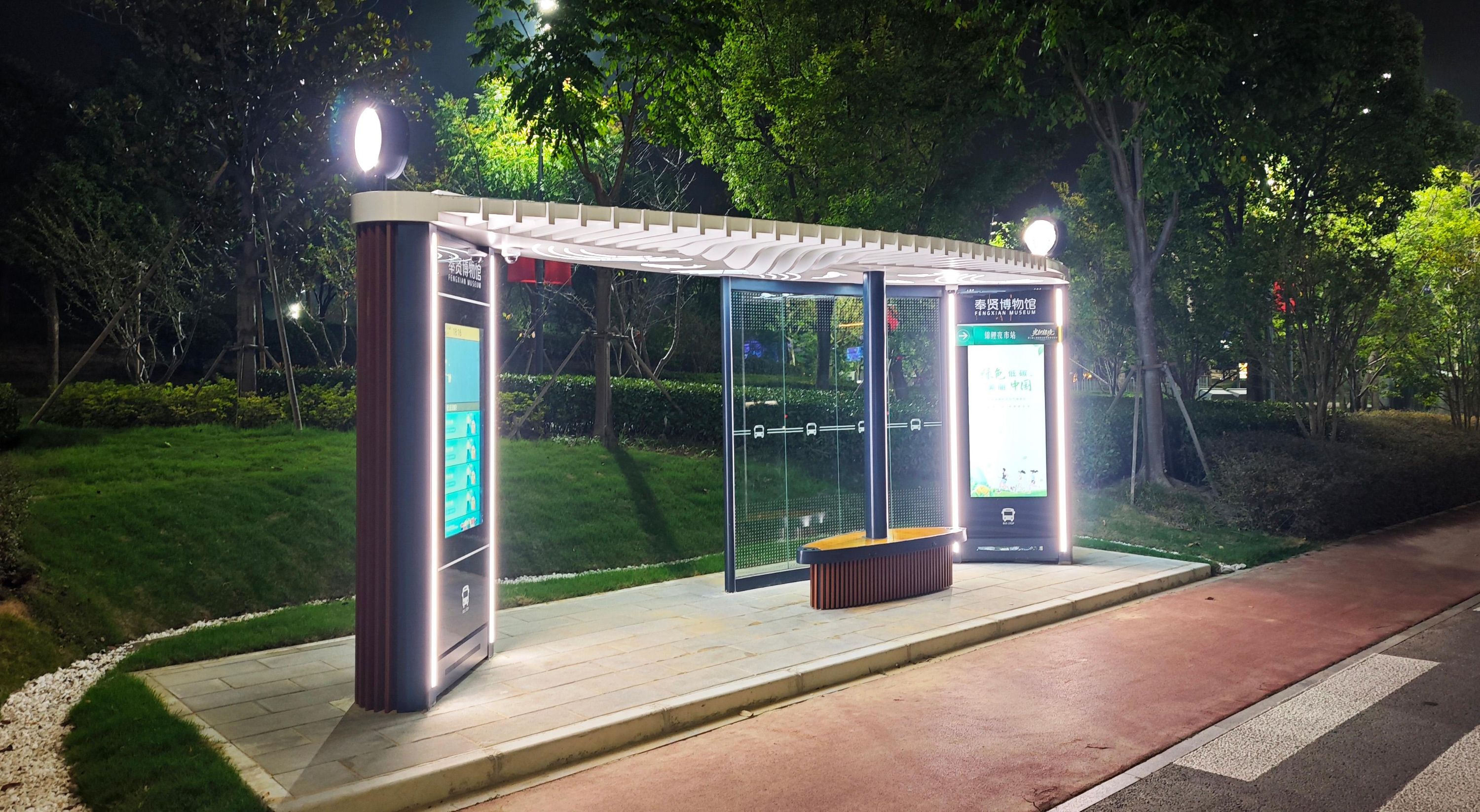
Bus shelters used to be afterthoughts—generic boxes that blurred into the background. But in modern transit hubs, they're becoming design statements. That's where OEM custom fabrication comes in, and zemso has been quietly redefining the process. From precision-cut panels to integrated lighting and real-time displays, every shelter is built to order. Yet what truly separates a memorable shelter from a forgettable one? The answer lies in the engineering choices that most commuters never see. Here's what happens behind the scenes.
Why Off-the-Shelf Shelters Fall Short in High-Traffic Transit Hubs
Most standard transit shelters are designed for quiet suburban stops where a handful of people wait a few minutes for a bus. Drop that same structure into a major city terminal or a busy interchange, and the cracks start showing within weeks. The lightweight aluminum frames flex under constant vibration from passing trains, the thin polycarbonate panels cloud over from diesel exhaust, and the simple bench becomes a collision point for hundreds of rushing commuters. It is not that the design is inherently bad—it just was never meant to handle this level of abuse day after day.
High-traffic hubs also expose the limits of basic shelter layouts. A single narrow entrance creates a bottleneck during rush hour, forcing people to shoulder past each other while someone struggles with a luggage or a stroller. The lack of separated waiting zones means that a crowd for one platform spills into the path of another, turning a simple stop into a safety hazard. Off-the-shelf models rarely account for the way people actually move through a space when hundreds are trying to catch different connections at once.
Then there is the maintenance problem. A shelter that would need a repaint every five years in a quiet neighborhood may need new panels and replacement hardware every nine months in a transit hub. The constant grime from brake dust, the scratches from metal carts and suitcases, and the repeated impact of thousands of hands on grab rails all accelerate wear in ways that generic engineering tolerances simply do not cover. By the time the first major repair is scheduled, the shelter often looks worn out and feels unsafe, which is the last thing you want at a gateway to your city.
From CAD Sketch to Curbside: The OEM Fabrication Journey
Every OEM part on a modern vehicle starts life as a digital ghost. Engineers spend weeks refining a CAD model until it mirrors the exact contour, tolerance, and material spec the final assembly demands. That sketch isn’t just a drawing—it’s a contract. The moment it enters the fabrication pipeline, the real work begins: translating theoretical geometry into something that can survive heat, vibration, and thirty years of road salt. Most people never see this stage, but it’s where a good supplier proves their worth, turning a clean 3D render into a part that actually fits without a hammer.
Then comes the shift from screen to steel. Tooling is cut, dies are machined, and the first prototype sheets are pressed, bent, and welded. This is rarely a one-shot process. A bracket that looks perfect on a monitor might spring back two degrees out of tolerance once it leaves the stamping press. A heat shield designed with a 1.2-millimeter gap could rattle against the exhaust under load. Fabricators who’ve been doing this for decades know to build in that slop, to anticipate the warping and the interference, and to adjust the CAD data before the line ever starts. That’s the quiet engineering nobody sees—the difference between a part that ships and one that gets rejected at the dock.
Finally, the finished component rolls off a pallet and onto an assembly line, then out the factory gate and onto the curb where your car sits. It’s easy to forget that everything from a fender bracket to a crossmember was once just a wireframe on someone’s laptop. The journey is rarely glamorous—plenty of rework, late-night tolerance meetings, and greasy prototypes litter the path. But when the hood closes cleanly and the car rides quiet for a hundred thousand miles, that’s the fabrication journey paying off. No silver bullet, just a chain of people who understood the CAD, respected the material, and didn’t cut corners when the print said “±0.25 mm.”
Material Choices That Outlast Vandalism and Weather
Some public spaces seem to invite abuse, but the right surface can quietly shrug off scratches, spray paint, and scorching sun. Take powder-coated steel: the finish bonds at a molecular level, so a key dragged across it leaves almost no trace. Unlike paint that chips or fades, this coating flexes with the metal instead of cracking, which matters when temperatures swing from frost to forty degrees in a single day.
Then there is high-density polyethylene, often found in park benches and bollards. It does not rot, rust, or need repainting, and its color runs all the way through, so even a gouge from a skateboard edge stays nearly invisible. Graffiti removal becomes a simple wipe with a mild solvent rather than a sandblasting project. The material also laughs at salt air and pool chemicals, making it a favorite for coastal boardwalks and aquatic centers.
For areas with heavy foot traffic and occasional vandalism, architects increasingly turn to compact laminate panels or fiberglass-reinforced concrete. These are not just tough—they are intentionally dull to the touch, with matte, non-reflective surfaces that discourage tagging. A smooth, glossy wall invites markers; a slightly rough, low-sheen texture makes ink bead up and run off. Pair that with through-body color, and even a determined scratch just reveals more of the same tone underneath. The result is a built environment that looks clean and intentional years later, without constant maintenance calls.
Smart Features Riders Actually Notice
Most riders don't notice horsepower curves or suspension damping rates—they notice how the bike feels when they grab a handful of throttle at a green light. A responsive low-end torque makes every commute feel effortless, while a smooth power delivery keeps things predictable in stop-and-go traffic. Manufacturers spend millions on engineering, but what actually sticks in a rider's mind is whether the bike pulls cleanly from 3,000 rpm without needing to rev the guts out of it.
Quiet details matter more than spec sheets. A self-cancelling turn signal that actually knows when you've completed a turn, a dash that doesn't wash out in direct sunlight, or a seat that doesn't turn into a plank after forty minutes—these are the things riders tell their friends about. Nobody brags about a 14.2-litre fuel tank, but they do mention stopping for gas half as often as their old bike.
The real test is whether the bike disappears beneath you. When the controls fall naturally to hand, the mirrors show more than your elbows, and the engine doesn't buzz through the bars at highway speed, you stop thinking about the machine and start enjoying the ride. That's the smartest feature of all—one you never consciously notice because it simply works.
Modular Designs That Fit Awkward Curbs and Tight Deadlines
Curbs that angle unexpectedly, narrow strips of pavement, and oddly shaped corners used to force custom fabrication and endless delays. Modular systems change that entirely — each section locks into the next with enough flexibility to follow irregular lines while keeping a consistent finished look. The pieces are pre-cut to standard widths, but their connection points allow for small shifts in direction without compromising strength or appearance.
When a project runs on compressed timelines, waiting for poured-in-place forms or on-site welding is simply not an option. Modular components arrive ready to assemble, and because they repeat proven geometries, there is no measuring rework or trial fitting on the curb. Crews can lay out, connect, and adjust the run in a fraction of the time — often finishing the same day the materials arrive.
The real advantage comes through on sites where everything feels slightly off-grid. Instead of forcing a straight run along a curved curb or leaving unsightly gaps at transitions, modular designs absorb those quirks naturally. You keep the speed of prefabrication without giving up the crisp edges and intentional spacing that make the finished installation look deliberate rather than improvised.
Real Transit Hubs, Real Results: A Fabricator's Field Notes
Working inside an active transit hub is nothing like the controlled calm of a fabrication shop. The first thing you learn is that every dimension on the drawings is a suggestion until it meets the existing steel, concrete, and years of ad-hoc repairs on site. I've had to rework mounting plates on the fly because a column was out of plumb by nearly an inch, and the client still expected the guardrail to sit flush against the platform edge. Those field adjustments rarely make it into the final report, but they're where the real results get decided.
One of my more instructive jobs was retrofitting handrails and tactile edge protection at a busy commuter rail station. We only had access between 1 a.m. and 4 a.m., and the platform couldn't be fully closed. That meant every cut, weld, and coat of primer had to be planned around the last train and the first morning rush. We pre-assembled entire railing sections in the parking lot, then carried them down in sequence. The finish had to withstand constant vibration, salt air, and thousands of hands a day. Several years later, those rails still haven't needed more than a periodic wipe-down.
These notes from the field have changed how I bid and build. I now add extra time for field verification, carry a portable bandsaw and a small inverter welder on every install, and never assume a transit authority's as-built drawings are accurate. What looks like a straightforward fabrication job can become a lesson in logistics, metallurgy, and human patience. The hubs are real, and so are the results when you treat the site as the final shop floor.
FAQ
It starts with a site-specific assessment rather than a catalog pick. We take the hub’s passenger flow, sightlines, and structural constraints into account before cutting any metal. From there, the shelter is engineered, fabricated, pre-assembled in our facility, and only then shipped for final installation. That way, what arrives on site is already tested for fit and finish, not a pile of parts needing improvisation.
Structural steel or aluminum frames with a proper powder-coat finish tend to outlast painted or bare metal. For glazing, tempered or laminated glass resists both impact and vandalism better than standard panes. We also prefer stainless steel fasteners and hardware because zinc-plated alternatives corrode quickly around road salt and humidity. Composite decking or sealed hardwood works for seating if you want something warmer than metal.
The key is designing the conduit runs and mounting points during fabrication, not as an afterthought. We build sealed chaseways into the roof and columns so wiring is hidden but still accessible for maintenance. Screen brackets get reinforced backing plates, and the structure is checked for wind load and vibration so a passing bus doesn’t make the display rattle. Front glass is usually anti-glare and bonded rather than mechanically clamped to avoid leaks.
Almost every geometric and material decision can be adjusted. Roof pitch, overhang depth, column placement, seat length and height, integrated bike racks, green roof trays, solar panels, and even the texture of metal panels can be tailored. Some hubs opt for local art printed on glass or perforated metal screens. The only real limits are the site’s engineering requirements and the client’s maintenance budget.
We cut and bend using CNC equipment, then assemble on welding jigs that hold tolerances to within a couple of millimetres. Before powder coating, the frame is dry-fit with the actual glass panels to catch any misalignment. This pre-assembly step is non-negotiable for us, because a gap of even 3 mm becomes visible and can cause rattling or water ingress later.
Ask for galvanized or powder-coated substrates instead of wet paint, specify anti-graffiti clear coats on accessible surfaces, and require drainage slopes so water doesn’t pool on the roof. Panels should be removable or replaceable without cutting the frame. Hardware should be stainless or at least marine-grade, and the design should avoid crevices where debris can collect. Those choices cost more upfront but cut maintenance visits dramatically.
It can, but the structure has to be engineered for the higher of the two loads rather than using a generic standard. We typically reinforce roof beams, specify thicker glass or polycarbonate, and design deeper foundation anchors. For snowy climates, we adjust the roof pitch and add heating elements to gutters or drains. The same shelter silhouette can be kept, but the internal framing changes based on the microclimate data for that exact stop.
Most projects run six to fourteen weeks after design approval. That includes material procurement, fabrication, pre-assembly, finishing, and transport. Installation itself might take two to five days depending on foundation work and site access. If there are integrated electronics, permit reviews, or unusual architectural finishes, add a few weeks. A tight timeline is possible, but cutting corners on pre-assembly usually leads to expensive field fixes.
Conclusion
Off-the-shelf shelters rarely hold up when a transit hub sees thousands of boardings a day. Crowding, weather, and abuse expose weak joints and generic layouts. That's why OEM custom fabrication starts with the actual curb, not a catalog. CAD sketches evolve through shop-floor input—laser-cut frames, welded gussets, powder coat—so each shelter lands on site ready for a hard life. Material selection leans on galvanized steel and thick polycarbonate or tempered glass, chosen less for looks than for surviving rocks, graffiti, and freeze-thaw cycles.
But durability alone isn't enough. Riders notice when a shelter actually works: real-time arrival displays, USB charging ports, LED lighting tied to motion sensors, and roofs angled to shed snow instead of dumping it on the platform. Modular panels let us fit awkward curbs, medians, or narrow sidewalks, and we often prefab sections in the shop to cut install time to a single overnight closure. Field notes from recent hubs show fewer complaints, less maintenance, and shorter boarding queues—not because the shelter is fancy, but because it fits the place and the people using it.
Contact Us
Contact Person: Leo
Email: [email protected]
Tel/WhatsApp: +86 18901905138
Website: https://www.zemsogroup.com/