

Chemical Soil Stabilizer: How It Transforms Weak Ground into Solid Foundation
2026-07-03
Weak, unstable soil can derail any construction project before it even begins. But what if you could transform that problematic ground into a rock-solid base with just the right chemical reaction? At MST, we’ve seen firsthand how modern chemical soil stabilizers turn loose earth into dependable foundations—faster and more sustainably than traditional methods. In this post, we’ll break down the science, the on-site magic, and why it’s becoming the go-to solution for engineers worldwide.
The Hidden Chemistry That Fortifies Fragile Ground
Beneath the surface of arid deserts and coastal cliffs, a quiet chemical dance is constantly reinforcing the ground we walk on. When water evaporates from soil, it leaves behind dissolved minerals like calcium carbonate or silica, which crystallize into natural cements. These processes, often overlooked, act as the earth's own mortar, binding loose grains and preventing erosion long before roots or human intervention take hold.
In caves and underground aquifers, similar reactions unfold in darkness. Stalactites and flowstones are the visible results, but the real strength lies in microscopic layers that infiltrate porous rock. As mineral-rich water seeps through cracks, it deposits nanoscale films that gradually fill voids, transforming fragile limestone into load-bearing structures. This slow mineralization can turn a crumbling cliff into a stable foundation over centuries, without any artificial treatment.
Engineers are now mimicking these ancient tricks to stabilize soils and restore heritage sites. By injecting non-toxic solutions that precipitate calcite, they prompt the ground to heal itself. The technique relies on the same fundamental chemistry that created the sandstone arches and hardened mudstone formations—proof that the planet's original construction method still has lessons to teach us.
Why Builders Are Swapping Compaction for Chemicals
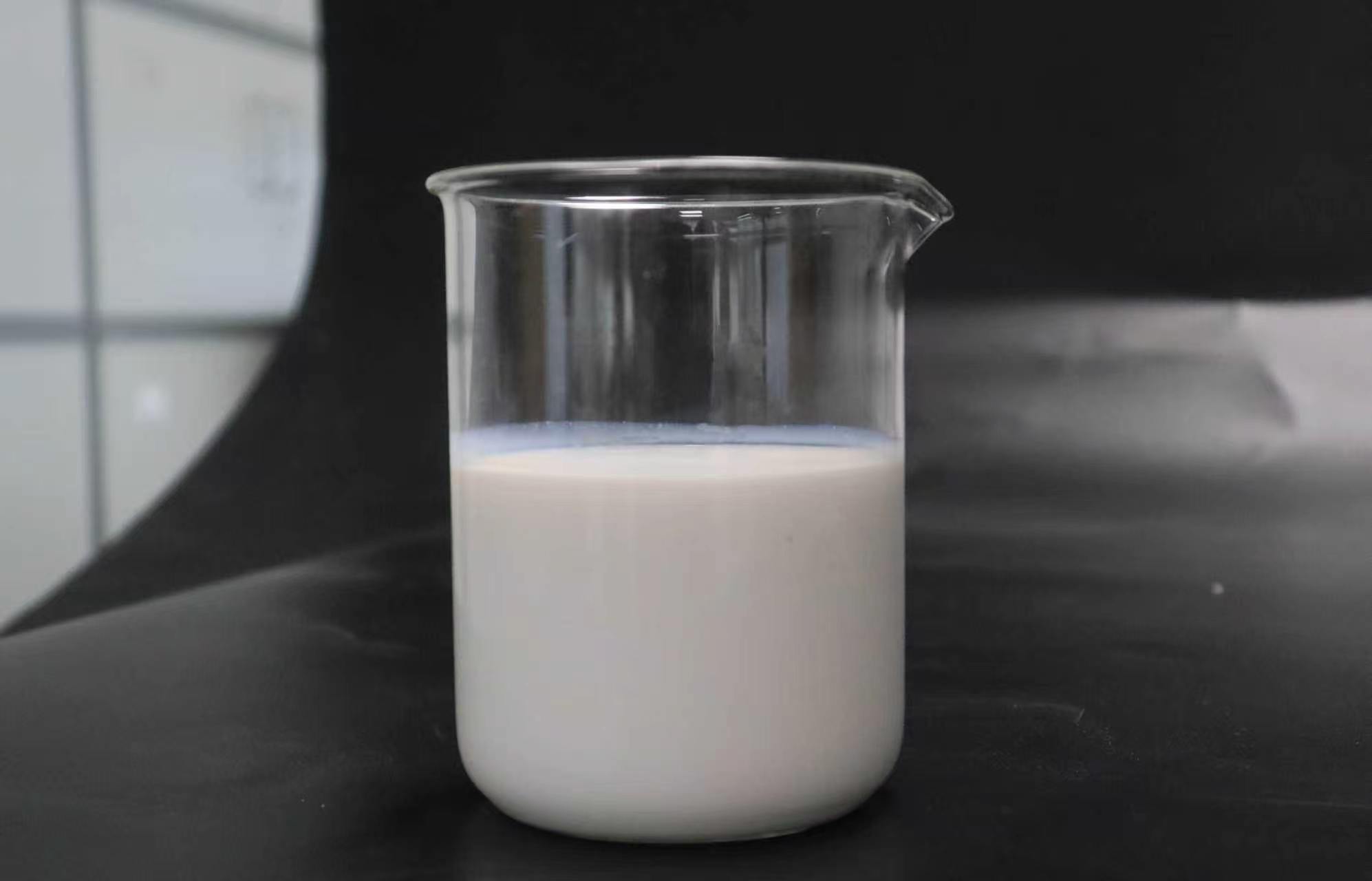
For decades, compactor plates and rollers have been the default for stabilizing soil, but a growing number of builders are turning away from these mechanical methods in favor of chemical solutions—and not just for niche jobs. The shift is driven by a simple fact: compaction alone doesn’t always guarantee long-term stability, especially in mixed or poor-quality soils. Chemical treatments, on the other hand, physically alter the soil’s properties at a molecular level, delivering more uniform and lasting results with less brute force.
Time and weather windows are another big factor. Compaction is notoriously sensitive to moisture content and often requires multiple passes with heavy machinery, which consumes time, fuel, and labor. Chemical stabilization, particularly with polymers or ionic additives, can happen in a single pass and cures quickly, even in less-than-ideal conditions. This flexibility lets crews keep moving without waiting for the ground to dry out or bringing in additional fill, shrinking project timelines in ways that traditional methods can’t match.
Cost also plays a role, though not always in the obvious way. While chemical additives carry an upfront expense, they frequently slash the need for aggregate imports, reduce equipment wear, and cut down on maintenance reworks. Environmentally, reduced trucking and less carbon-heavy machinery appeal to clients and regulators alike, making it easier for builders to hit sustainability goals without sacrificing performance. Put together, it’s less about swapping one tool for another and more about adopting a smarter way to tackle ground that doesn’t want to cooperate.
From Mushy to Monolithic: A Subsurface Makeover
The transformation beneath the surface was nothing short of radical. What started as an unstable, waterlogged mess gradually hardened into a unified, load-bearing stratum. This wasn't a simple patch job—it was a fundamental shift in the ground's personality, turning unpredictability into resilience.
Engineers introduced a novel binding agent that seeped through the loose particles, filling every microscopic void. Over the course of several weeks, the once-spongy subsurface solidified, its particles locking together in a dense, interwoven matrix. The result felt less like treated soil and more like ancient stone, forged by pressure and chemistry rather than eons of geology.
What made the difference was the careful calibration of time and material. Too fast, and the reaction would have been brittle; too slow, and the site would have remained dormant. But the process, watched over with methodical patience, delivered a foundation that could carry the weight of towering ambitions without a tremor of doubt.
How Stabilizers Create a Barrier Against Water Damage
Water damage often starts small. A trickle finds a crack, hides in a pore, and quietly sets off a chain of erosion. Stabilizers work by rearranging the physical structure of a material so those tiny entry points disappear. In soil, for example, they bond loose particles into a tight, cohesive mass that water can’t easily slip through. This isn’t about adding a surface coating that eventually peels away—it’s a deeper change where the treated layer becomes less porous and more uniform, forcing moisture to bead up and run off instead of soaking in.
The chemistry behind this barrier depends on the stabilizer and what it’s treating. Some react with clay minerals to reduce their tendency to swell and shrink with moisture changes, effectively sealing the soil’s cracks long before water can pool. Others create a lattice of insoluble compounds that glue particles together, turning what was once a sponge into a pavement-like shield. The key isn’t absolute waterproofing—it’s consistency. By evening out texture and density, stabilizers remove the weak spots where water normally gets a foothold, leaving a surface that repels damage without relying on fragile synthetic membranes.
Over time, stabilizers keep working where external barriers fail. A tar seal cracks under sun and traffic; a water-repellent spray washes off after a season. But a well-stabilized material integrates protection throughout its structure. When rain hits, the water sees no easy path downward, no loose channels to widen, no soft patches to erode. The barrier isn't something layered on top—it is the material itself, rebuilt to stand up to wet conditions without constant reapplication. That’s why stabilizers are often chosen for roads, embankments, and building pads that face heavy rainfall: they offer a form of defense that endures because it’s already part of the ground.
Stronger, Faster, Cheaper: The Triple Win of Soil Stabilization
Picture a construction site where the ground beneath your feet isn't just a foundation—it's an engineered asset. Through soil stabilization, loose, unpredictable earth transforms into a rock-solid base that defies erosion and heavy loads. This process binds soil particles together, often using lime, cement, or innovative polymers, creating a surface so durable that it extends the lifespan of roads, buildings, and industrial yards by years, sometimes decades. The result is a landscape that stands firm against the forces of weather and wear, reducing the need for frequent repairs and the headaches that come with them.
Time is money, and in the world of construction, delays can derail entire projects. Traditional soil replacement methods involve hauling away poor-quality soil and trucking in aggregates—a slow, expensive, and logistically nightmarish cycle. Stabilization flips this script by improving the soil already on-site. Crews can treat the ground and continue working almost immediately, cutting weeks off project schedules. There's no waiting for imported fill to settle or organizing fleets of dump trucks; the original soil becomes the solution, drastically accelerating the path from groundbreaking to ribbon-cutting.
What really sets this approach apart is the dramatic cost reduction. By eliminating the need to purchase and transport vast quantities of new material, budgets breathe easier. Fuel consumption, equipment hours, and labor costs all plummet. Long-term, the enhanced soil reduces maintenance cycles and prevents the kind of structural failures that lead to expensive emergency repairs. It's not just an upfront saving—it's a financial strategy that keeps paying off, making soil stabilization a rare win in an industry where every decision must balance performance with price.
Is Your Soil a Ticking Time Bomb? Here's the Fix
You might look at your garden and see healthy plants, but beneath the surface, your soil could be slowly degrading into a compacted, lifeless crust. Years of tilling, chemical fertilizers, and foot traffic can strip away the organic matter that holds everything together. When heavy rains come, instead of soaking in, water runs off, carrying precious topsoil with it. This quiet collapse doesn't just starve your plants—it leaves you fighting uphill with poor drainage, stubborn clods, and diseases that thrive in stressed landscapes. The warning signs are there if you know where to look: puddles that linger, earth that cracks wide in summer, or a sudden surge in weeds that seem immune to pulling.
The fix isn't about buying a magic bag of quick-release granules or rototilling until your arms ache—it's about feeding the underground world that feeds your plants. Start by adding a generous layer of compost or aged manure right on top, without digging. Earthworms and microbes will pull that richness down, weaving air passages and sticky glues that bind soil particles into crumblike aggregates. Mulch with shredded leaves, straw, or wood chips to protect that new top layer from baking sun and pounding rain. If you've got a severely compacted patch, consider a broadfork to gently lift and aerate without flipping the delicate layers out of order. Then, plant deep-rooted cover crops like daikon radish or alfalfa to punch through hardpans and draw nutrients up from the subsoil.
Within a single season, you'll notice the change: a shovel slides in with a satisfying crumble instead of a jarring clang. Roots stretch deeper, plants stand stronger, and the first light rain doesn't bead up and race off. Over time, you'll find yourself watering less, fertilizing less, and still harvesting more. That time bomb doesn't have to go off—by shifting your approach from soil manager to soil partner, you can turn a disaster waiting to happen into a living system that gets better with every year.
FAQ
It’s a substance mixed into soil to improve its strength and durability by triggering chemical reactions that bind particles together, turning loose earth into a solid base.
The chemicals react with soil minerals and water, forming cement-like bonds that compact the soil and fill voids. This reduces compressibility and increases load-bearing capacity.
Roads, embankments, and industrial yards gain the most because they demand stable subgrades over large areas, but smaller foundations for residential slabs or paths also benefit.
Modern formulas are designed to be low in toxicity and non-leaching. Proper application minimizes runoff risks, and many products undergo eco-safety testing before approval.
It often works faster and leaves a smaller carbon footprint since you treat what’s already there instead of hauling away poor soil and importing fill, though it depends on the soil type.
Yes, many stabilizers are specifically engineered to reduce the plasticity of clay soils, keeping them from swelling when wet or cracking when dry.
Once cured, it’s largely self-sustaining, but periodic drainage checks help prevent water from undermining the treated layer, especially in heavy rainfall regions.
Conclusion
Chemical soil stabilization quietly reshapes the ground beneath our feet by triggering reactions that bind loose particles into a dense, load-bearing matrix. Rather than relying solely on mechanical compaction—a method that often fails in wet or expansive soils—builders now inject lime, cement, or proprietary polymers that initiate ion exchange, pozzolanic reactions, or polymer cross-linking. This hidden chemistry turns mush into monolith, permanently altering soil properties to deliver a foundation that resists settling and swelling. The transformation is both rapid and enduring, effectively neutralizing the ticking time bomb of problematic soils that threaten structures with heaving, cracking, or sudden loss of strength.
Beyond raw strength, these stabilizers create an impermeable barrier that blocks water infiltration, the primary culprit behind frost heave, erosion, and softening. The resulting subsurface stays monolithic even after heavy rains, eliminating the need for costly drainage systems or over-excavation. For contractors, the triple win is undeniable: stronger ground that supports heavier loads, faster project timelines because curing can be measured in hours instead of weeks, and significantly lower costs when compared to traditional soil replacement or deep piling. Whether rehabilitating a crumbling roadway or laying the pad for a new warehouse, chemical stabilization offers a smarter, more predictable way to build on ground that was once considered untrustworthy.
Contact Us
Contact Person: Helen
Email: [email protected]
Tel/WhatsApp: 86 18630661160
Website: https://www.roadmilestone.com/