
China Vintage Printed Carpet Adds Timeless Character to Modern Interiors
2026-09-20
There’s something quietly magnetic about a vintage printed carpet from China—its faded motifs and timeworn texture tell stories no factory finish can replicate. In a world of sleek minimalism, these pieces bring a grounded, character-rich layer to modern spaces. At Senseco, we’ve seen how one well-chosen rug can shift an entire room from sterile to storied, anchoring contemporary furniture with a sense of history and warmth. This post explores why these carpets are more than just floor coverings—and how to make them work in today’s interiors without losing their soul.
The Faded Grandeur of a Chinese Print Rug in a White Box Room
The rug arrived with the kind of quiet authority that only comes from having survived several lifetimes. Its once-vivid blues and ochres had softened into a dusty patina, the central medallion now more suggestion than statement. In the white box room—bare walls, sharp corners, and a silence that amplified every footstep—it felt less like decoration and more like a visitor from another century who had wandered in and decided to stay.
You could trace the wear patterns like a map of past dinner parties and afternoon naps. The edges were slightly frayed, not from neglect but from the sheer friction of being lived on. Under the flat white ceiling light, the rug’s faded dragons and clouds seemed to shift with the angle of your gaze, as if remembering their original vividness and then letting it go. It didn’t match anything in the room, and that was precisely the point.
Standing in that stark space, you felt the odd pull of contrast: the room wanted to be empty, clinical, future-facing. The rug wanted to tell stories about hand-knotted patience and the smell of tea in a courtyard. Together they created a quiet tension, a reminder that grandeur doesn’t vanish—it just learns to whisper.
Why Your Modern Sofa Needs an Old Peking Carpet Under It
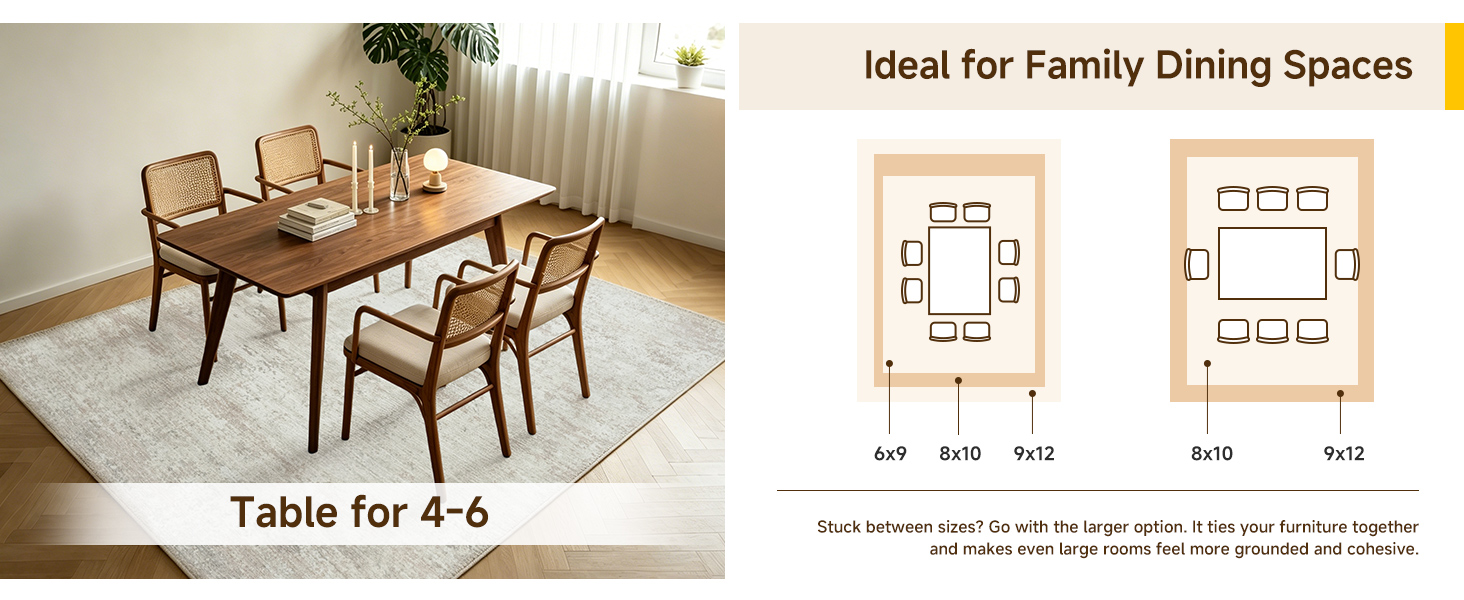
A sleek, low-profile sofa can feel a little severe on its own, especially in a room with clean lines and neutral tones. That's where an old Peking carpet changes everything. The faded blues, warm ochres, and hand-knotted texture introduce a layer of history that no new rug can imitate. It's not about matching—it's about contrast that feels intentional.
Peking carpets were often made with thick, soft wool and a dense pile, which makes them surprisingly forgiving under heavy furniture. Unlike a flatwoven kilim or a delicate silk rug, they can handle the weight of a modern sofa without looking crushed. After a few weeks, the legs leave gentle impressions that add to the rug's character rather than ruining it.
There's also a practical side: the muted, complex patterns hide everyday dust and the occasional spill far better than a solid cream or grey rug. You get a sense of warmth underfoot and a visual anchor that stops a minimalist living room from feeling like a showroom. Once you've lived with that combination, a bare floor or a plain synthetic rug just seems unfinished.
A Vintage Floral Pattern That Breaks All the Minimalist Rules
There’s a quiet rebellion happening on this fabric, and it smells like old roses and wood polish. The pattern doesn’t whisper—it hums with faded marigolds, dusty violets, and sprawling leaves that refuse to stay inside their borders. Each petal carries the kind of imperfection you can’t fake: a slightly off-register print, a stem that wanders a little too far left. It’s the antithesis of blank walls and beige everything.
Minimalism asks for restraint; this vintage floral asks for a second look—and then a third. The background isn’t just cream, it’s tea-stained, with faint age spots that tell you it’s been folded in a trunk or hung in a sunlit hallway. There’s no grid, no repetition you can predict. The bouquet repeats, sure, but never exactly, as if the printer’s hand shook just enough to keep things honest.
Wearing it or hanging it on a wall feels like inviting a slightly eccentric aunt to your modern apartment. She’ll rearrange your cushions, leave a trail of lavender, and tell stories you didn’t know you needed. That’s the power of a pattern that breaks every minimalist rule—it doesn’t just decorate a space, it moves in and makes the silence feel a little less empty.
The Art of Letting an Antique Rug Anchor a Scandi Living Space
A pale timber floor and whitewashed walls can feel airy, but without a grounded centre the room drifts into coldness. An antique rug changes that instantly. Its worn pile and uneven dye hold the eye, pulling the space into focus while the clean lines of Scandinavian furniture keep everything else quiet. The contrast is what makes it work: the rug does not shout, it settles, like a low note under a melody of pale oak and wool.
Instead of matching the rug to the sofa or cushions, let its faded reds, ochres, or deep indigo sit slightly apart from the palette. The slight mismatch reads as intentional, as if the rug was collected over time rather than bought to complete a look. Place it slightly off-centre under a coffee table, so one edge slips beneath a lounge chair, another catches the morning light. This breaks the symmetry that Scandi rooms often lean on, adding a layer of lived-in ease.
Above all, resist the urge to protect the rug with a heavy pad or keep it away from foot traffic. The best antique rugs carry the memory of use, and a few more years of bare feet and afternoon naps will only deepen their character. In a Scandi living space, that is the quiet luxury: not a pristine object, but a floor that asks you to stay a while.
When Hand-Knotted Chinese Motifs Meet Concrete Floors
There's a quiet tension when a centuries-old silk dragon or cloud band lands on a slab of raw concrete. Concrete's flat, hard neutrality seems to erase history, but actually it lets each knot and color stand in sharp relief. The room stops feeling decorated and starts feeling like a collision of two very different ideas of permanence.
Hand-knotted Chinese motifs—endless knots, lotus petals, scrolling vines, the occasional guardian lion—carry a patient, almost stubborn energy. They were made to be admired up close, to reward the eye with tiny irregularities and hand-dyed color shifts. On concrete's unyielding surface, that human touch becomes even more explicit. You notice the slight variation in a line, the way a medallion's symmetry isn't machine-perfect, and the floor's coolness makes the wool or silk feel warmer underfoot.
This pairing works best when you don't try to soften the contrast. Leave the concrete bare, let its saw-cut joints and subtle stains read as part of the backdrop. Then the rug becomes the room's one deliberate gesture—soft, layered with meaning, and impossible to ignore. It isn't a compromise between old and new; it's a conversation where both sides keep their own voice.
Timeless Character Over Trend in Vintage Printed Carpets
The appeal of a vintage printed carpet isn't tied to what's currently in style. It comes from the way the dyes have softened over decades, how the pattern has mellowed underfoot, and how every faded corner hints at a life lived before it reached your floor. Trends cycle through bold geometrics and neutral minimalism, but a carpet with genuine age doesn't need to keep up. It already carries a visual weight that new pieces rarely achieve.
What makes these rugs feel different is the imperfection. Slight color shifts, uneven wear, a repair done by hand years ago—these aren't flaws to hide. They're evidence of use, and they keep the design from looking staged. A machine-printed rug can mimic an old motif, but it can't recreate the quiet unevenness that comes from time. That's why people keep choosing vintage over trend: the character is already built in, and it doesn't ask to be replaced next season.
FAQ
It's not just the age. These rugs often carry hand-drawn motifs that reference Chinese folk tales, botanical elements, or auspicious symbols, and the printing technique gives them a softer, slightly imperfect line that machine-made reproductions can't quite match. That imperfection is what makes each piece feel alive.
I'd place it under a low-profile coffee table and let the carpet's border frame the seating area. Keep the surrounding furniture in solid neutrals, like oatmeal linen, matte black metal, or natural oak, so the carpet becomes the focal point without competing with busy patterns.
Yes, but with a caveat. The printed top layer can show wear if you drag heavy furniture across it repeatedly. In an entryway, pair it with a thin rug pad and rotate it every few months. If the traffic is truly heavy, stick to a wool vintage rug instead; these printed cotton or blended pieces do better in living rooms or bedrooms.
Muted terracotta, faded indigo, sage green, and warm cream. Avoid oversaturated jewel tones that fight the carpet's aged patina. A soft off-white wall and natural wood tones let the carpet's faded reds and blues read as intentional rather than dull.
Absolutely. The trick is to lean into the contrast. A sleek white sofa, a glass side table, and one sculptural floor lamp create a clean canvas. The carpet then acts like a piece of art on the floor, it's the one element that carries history, so everything else can stay quiet.
Look for uneven fading in the pattern, slight color bleeding at the edges, and a backing that shows natural fiber rather than a plastic grid. If the price seems too low for a vintage piece, it's usually a new print distressed to look old. Feel the surface: authentic printed vintage carpets often have a slightly chalky texture.
Vacuum with the beater bar off, and never use a steam cleaner, the moisture can lift the printed dyes. For spills, blot immediately with a dry cloth, then dab with cold water and a tiny bit of mild soap. Keep it out of direct afternoon sun; if you must place it near a window, rotate it every two months.
Because the patterns are rooted in specific regional traditions, like the peony and butterfly motifs from northern China, but the faded colors and low-contrast printing give them a softness that reads as contemporary. They don't scream antique; they whisper. That quiet layer of history is what anchors a room without demanding attention.
Conclusion
There’s a quiet confidence that comes from placing a faded, hand-knotted Chinese print carpet beneath a sleek modern sofa—it doesn’t try to match anything, and that’s exactly why it works. In a white box room with nothing but concrete floors and sharp lines, the rug’s aged floral motifs soften the edges without asking permission. Its colors, once bold, have mellowed into dusty pinks, faded indigos, and warm taupes that feel like they’ve absorbed decades of footsteps and sunlight. Unlike a brand-new piece that shouts for attention, a vintage Peking carpet whispers stories of imperfection—a worn patch here, a subtle dye variation there. It breaks every minimalist rule while still belonging in a Scandi living space, because it anchors the room with something no trend can replicate: genuine character. The hand-knotted texture adds a layer of tactility that machine-made rugs simply don’t have, and underfoot it feels substantial, grounding the airiness of modern interiors.
Letting an antique rug anchor a space is less about decoration and more about editing—knowing when to stop adding and let one imperfect, beautiful object carry the room. When Chinese motifs meet concrete, the contrast isn’t jarring; it’s conversational. The rug’s repeating florals and borders create a rhythm that offsets the blankness of poured floors and white walls. You start to notice how the pile catches light differently at different times of day, how the faded grandeur feels richer than any shiny new purchase. This is timeless character over trend: no algorithm, no seasonal palette, no urge to replace it next year. Instead, it’s a slow accumulation of history that makes a modern sofa feel more lived-in, a room feel more like home. A vintage printed carpet doesn’t just fill space—it gives a space a memory.
Contact Us
Contact Person: Ivy Yin
Email: [email protected]
Tel/WhatsApp: +86 18519681805
Website: https://www.sensecomarketing.com/