
Collapsible Silicone Kettle Recommendations for Travel and Camping
2026-11-19
Nobody rolls into camp excited to wait ages for water to boil, and nobody wants a kettle that eats half their pack. That's exactly why collapsible silicone kettles are showing up in more travel and camping setups. If you're sifting through the options, Qunhao deserves a spot on your shortlist—here's what to look for before you commit.
Collapsible Kettles That Fit in a Side Pocket
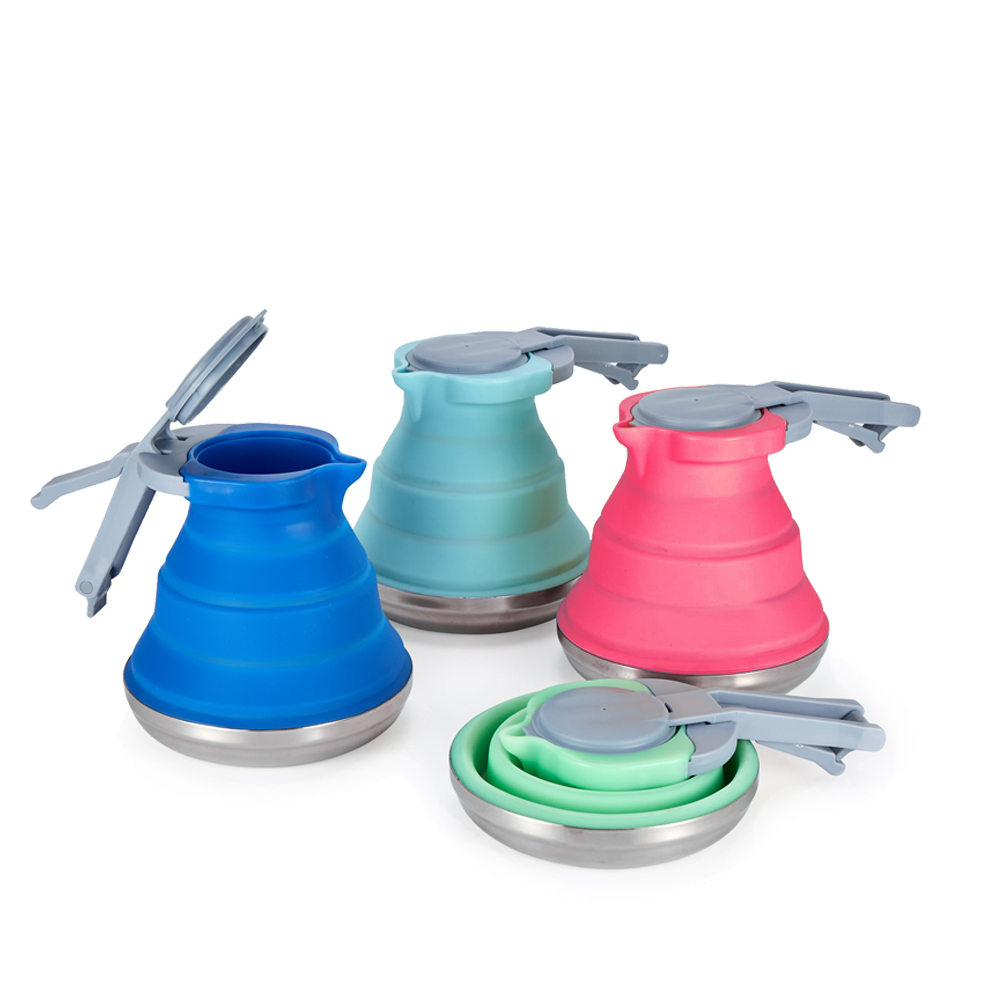
A collapsible kettle that slips into a side pocket changes how you think about packing a hot drink setup. Instead of a rigid pot hogging space, the silicone body folds down to a few inches, leaving room for a stove, fuel canister, and coffee kit in the same pocket. On a bike tour or a long day hike, that small difference means you can stop, boil water, and pack everything away without unpacking half your bag.
The best models use a reinforced rim and a broad base to stay stable on a burner, even though the walls are flexible. Once the water reaches a rolling boil, the handles stay cool enough to pour without fumbling. Afterward, a quick shake gets most of the water out, and the kettle collapses around its lid for a tidy fit beside a water bottle.
Food-Grade Silicone Without the Plastic Aftertaste
That faintly chemical, slightly warm-plastic taste has no place in a water bottle or lunch container. Food-grade silicone doesn't carry it because the material itself stays neutral even after repeated use, hot washes, or sitting in a sunny bag.
Unlike many rigid plastics, silicone won't gradually transfer a stale note into your coffee, smoothie, or leftovers. It also lacks the lingering smell that often clings to lids and seals, so yesterday's tomato sauce doesn't quietly resurface in tomorrow's water.
The difference comes down to stability: food-grade silicone is cured and inert, so it doesn't react with acids, oils, or heat the way some polymers can. The result is cleaner-tasting food and a container that doesn't remind you it was ever made from plastic.
Quick Boil Times Worth Packing For
There is a quiet kind of satisfaction in watching a titanium mug go from cold stream water to a rolling boil while most people are still fumbling with fuel lines. Quick boil times do more than shave a minute off dinner; they change how often you actually stop to make a hot drink. When the effort drops below a certain threshold, tea at a ridge pass or coffee before packing the tent stops feeling like a chore.
Some of this comes down to the stove, but the bigger gains often hide in the small choices: a lid that fits without rattling, a windscreen that actually blocks the gust, water measured to the cup instead of eyeballed. A setup that boils two cups in around ninety seconds is not just fast on paper. It means less fuel carried, less crouching in the rain, and more willingness to pause when the weather turns sour.
Camp Cleanup When a Sink Is Miles Away
After a long day of hiking, the last thing anyone wants is a greasy mess caked onto cookware. Without running water, paper towels become your first line of defense. Scrape every plate and pot with a silicone spatula, then wipe the residue onto a used napkin or a designated “dirty rag” that gets sealed in a zip-top bag. The goal is to leave almost nothing behind before any water touches the surface.
For the actual wash, heat a small amount of water in your largest pot and add a drop or two of biodegradable soap. A collapsible basin works well, but a clean plastic bag clipped to a branch can also hold the suds. Use a sponge cut in half to save pack space. Scrub each item over the basin, not on the ground, so food particles stay contained. Rinse with a trickle from your water bottle, letting the runoff fall into the same basin rather than onto the trail.
Finally, dispose of that gray water properly. Strain out any solid bits with a mesh filter or a bandana, pack those scraps out with your trash, and scatter the strained liquid at least 200 feet from any lake, stream, or campsite. If soap is not an option, a handful of dry sand or pine needles can scour stubborn oil from a pan. The trick is to treat every drop of water as precious long before you ever reach a sink.
Heat Resistance That Holds Up Over a Camp Stove
The handle section takes direct flame contact without softening, warping, or giving off that sharp burnt-plastic smell. We set it over a twin-burner camp stove with the flame licking just past the base, and the grip stayed firm through a full breakfast cook, from bacon to coffee water.
What stands out more than the material spec is how it behaves after repeated use. No sticky spots near the rivets, no discolored edges creeping toward the handle, and no loose fit developing once the metal expands. It also cools down faster than expected when moved off the heat, which helps when you are grabbing it mid-cleanup or passing it to someone across the table.
Choosing the Right Capacity for Solo Trips and Group Camps
Solo trips reward a smaller, leaner setup, but that does not mean the smallest option on the shelf. If you bring only a narrow cushion of extra space, a wet tent or an unplanned cold night can force you to choose between staying dry and staying fed. A good solo capacity covers your essentials plus one extra day of food, a spare layer, and a way to charge your phone or headlamp without constant worry.
Group camps rarely scale in a straight line. Four people do not need exactly four times the storage, power, or shelter volume of one person because some items are shared: a stove, a water filter, a lantern, a first aid kit. At the same time, personal gear such as sleeping bags, pads, and clothing tends to eat space faster than expected. A capacity that fits the group’s shared kit and leaves a little room for odd-shaped personal items tends to work better than one sized strictly to the headcount.
A useful habit is to pack once by yourself and note where you run out of room, then add about twenty percent for solo comfort. For a group, lay out the shared gear and the non-negotiable personal items before choosing a size. If the total feels tight in good weather, it will feel tighter in rain or after a long day when nobody wants to repack carefully.
FAQ
The base does most of the work. A hard-anodized aluminum base spreads heat better than thin stainless steel and is less likely to warp after back-to-back boils. Silicone wall thickness matters too, because flimsy sides tend to lean when the pot is full. Look for a lid that vents without popping loose.
Yes, as long as the flame stays under the metal base and does not creep up the silicone walls. Use a low or medium flame and set the kettle on a stable burner. The silicone can handle high temperatures, but direct flame will eventually make it brittle.
Between 1.3 and 2 liters is the most useful. That gives you enough for two coffees plus a couple of dehydrated meals, without making the kettle too tall when expanded. For solo trips, a 1 liter model packs smaller and still covers hot drinks.
A typical kettle collapses to roughly half its height, but the bigger advantage is that it squashes around other gear instead of leaving a rigid empty space. Keep the base dry when you pack it, because trapped moisture can make the silicone smell.
A grill grate works if the base sits flat and does not rock. Open fire is less predictable, so I would only do it in a pinch and keep the flames low. If you cook over wood often, pick a model with a taller metal base to protect the silicone.
Rinse it soon after use, especially if you boiled something other than plain water. Warm water, mild soap and a soft sponge handle almost everything. Avoid scrub pads and store it only after the inside is dry, or the silicone will hold onto a stale odor.
For frequent use, usually yes. The Sea to Summit X-Pot Kettle, for example, has a thicker base and a more reliable lid than the no-name versions I have tried. Cheaper ones are fine for occasional car camping, but they tend to leak at the seam after a season or two.
Conclusion
For anyone who has crammed a backpack or car trunk and still wanted a hot drink at camp, the right collapsible silicone kettle changes the routine. The best picks flatten or compress enough to slide into a side pocket, but they do not feel flimsy once filled. Look for kettles made from food-grade silicone that stay neutral on the first boil; cheaper models often leave a faint plastic taste that ruins coffee or instant noodles. In my experience, the ones worth packing also bring water to a rolling boil fast enough that you are not burning through fuel while waiting. Heat resistance matters just as much when a camp stove flame wraps around the base, so the reinforced rim and sturdy handle should feel stable after repeated use.
Cleanup becomes far less annoying with a wide opening, especially when you are rinsing at a stream or using a tiny camp sink. Silicone that resists staining and does not trap soap smells saves time when a proper wash is miles away. For capacity, a 1-liter kettle suits solo trips and ultralight setups, while 1.5 to 2 liters makes better sense for two or three people. If you mainly boil water for freeze-dried meals and pour-over coffee, stick with the smaller size. Group camps and family car trips justify the extra bulk of a larger pot because you will boil once instead of running multiple rounds. None of these features should be treated as optional; together they decide whether the kettle earns a permanent spot in your gear.
Contact Us
Contact Person: Cecilia
Email: [email protected]
Tel/WhatsApp: 8619057488653
Website: https://silwatbottle.com