

Cosmetic Bottles Makers: A Practical Guide to Choosing the Right Packaging Partner for Your Beauty Brand
2026-08-17
Every beauty brand talks about what's inside the bottle, but the bottle itself often decides what customers buy. Choosing the right cosmetic bottle maker isn't just about getting a quote—it's about finding a partner who can handle your specs without hand-holding. In this guide, we break down what to look for, and you'll see why companies like Zhejiang Haitong Plastic Industry Technology Co., Ltd. keep showing up on shortlists.
Zeroing In on the Bottle Shape Your Brand Actually Needs
Most brands start the packaging conversation with color, label design, or material. But the silhouette of the bottle is the first thing a hand reaches for on the shelf, and it does more heavy lifting than any logo ever will. A shape that feels awkward in the palm or fights against the way liquid pours out creates a quiet friction that keeps customers from repurchasing, even if they can't name the reason.
Instead of chasing what's trending on a competitor's feed, start with the moment of use. Ask how the bottle sits on a nightstand, in a shower caddy, or on a bar cart. Ask how it behaves when someone has one hand full and needs to flip a cap with a thumb. Those small, unglamorous interactions reveal whether a form is genuinely functional or just visually interesting from a distance.
The goal isn't to design the most unusual shape in your category. It's to find the one silhouette that makes your product feel like it belongs in someone's daily routine. When the bottle disappears into the experience—easy to grip, easy to pour, easy to recognize by touch alone—that's when the shape is doing its job.
Asking Makers the Right Questions About Glass vs. Plastic
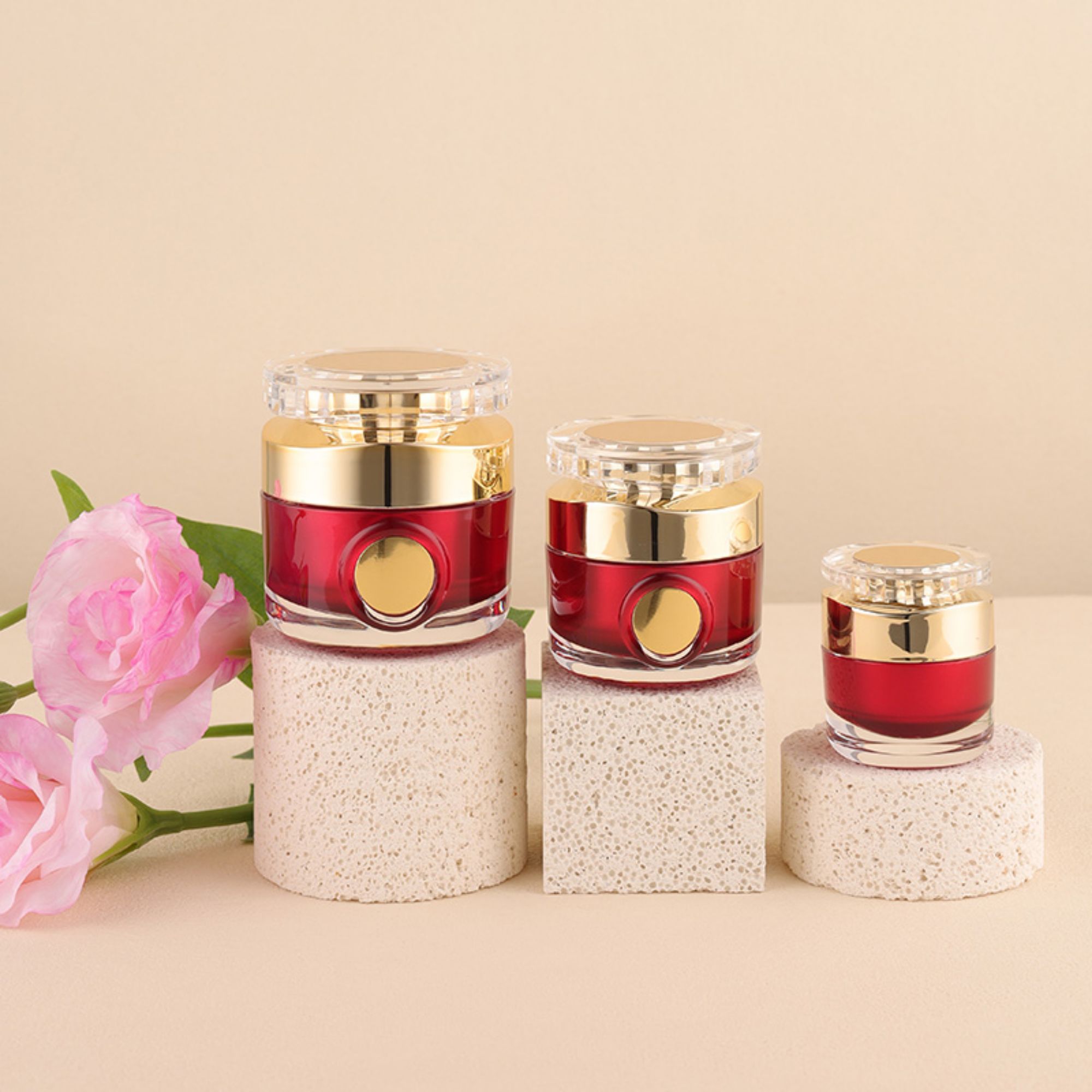
When you sit down with a glass or plastic manufacturer, don't ask which material is 'better.' That question ends the conversation before it starts. Instead, push them on the trade-offs they rarely volunteer: What happens to their glass cullet percentage when energy costs spike? How do they handle microplastic shedding tests for PET under heat? Makers who hesitate or give you marketing speak are telling you something important.
Ask about failure points, not features. For glass, get specific about thermal shock thresholds and the actual breakage rate in their last three production runs. For plastic, demand clarity on additive migration into fatty or acidic products—and whether their resin suppliers share full formulation data. The right makers will hand you test reports without being asked, and they'll admit which use cases make their material a poor fit.
Prototyping Without Wasting Time or Money
Before you commit a single dollar to full-scale development, ask what the cheapest possible version of your idea looks like. It might be a paper sketch, a clickable wireframe, or a concierge service where you manually perform the backend work behind the scenes. The goal isn't to impress anyone—it's to learn whether the core value resonates with actual users. Skip the polished UI, skip the custom illustrations, and skip the backend that nobody will see. Every hour you spend on non-essential details is an hour you could have spent discovering that the idea needs a pivot.
Set a hard timebox before you start. Decide in advance that you will spend no more than, say, three days building a prototype and two days testing it with five to seven people. When the timer ends, you make a decision: iterate, kill, or double down. This constraint forces you to focus on the riskiest assumption instead of polishing what you already know works. It also prevents the emotional attachment that slowly creeps in when a project drags on for weeks. The faster you expose a prototype to real-world friction, the less it costs to change direction.
Finally, treat every prototype as a disposable artifact, not a foundation. If you find yourself saying "we can reuse this code later," stop. Reusability is a trap at this stage. The code you write to test an assumption is often too rigid or too messy to serve as production code anyway. Instead, capture the lessons learned and throw the prototype away. The real deliverable is the decision you can now make with confidence—not the prototype itself.
Decoding Sustainability Claims That Hold Up Under Scrutiny
Many companies wrap their products in leafy logos and vague promises, but few can back them up when you ask for specifics. A claim like "made with recycled materials" means little unless it states the percentage and the source. Without that, it's just marketing.
The ones that survive scrutiny tend to share a few traits: they name the exact certification or standard, they disclose the full life cycle impact, and they invite outside audits rather than hiding behind self-declared labels. Look for numbers, not adjectives. If a brand says "carbon neutral" but won't share how it calculated that or which offsets it bought, treat it as a red flag.
Ultimately, decoding these claims is less about trusting a single badge and more about pattern recognition. Ask where the raw material came from, who verified the process, and what happens at end of life. If the answers are vague, the sustainability story probably is too.
Negotiating Minimums and Pricing When You’re Not a Giant
When you're not moving containers by the dozen, walking into a supplier meeting with a hardball stance usually backfires. Instead of pretending to be bigger than you are, lean into what you can offer now: a clean order with zero customization, cash on delivery, or a willingness to take whatever colors or packaging they already have in stock. Suppliers rarely lower their minimums out of goodwill, but they will budge when you remove friction from their side of the table.
Ask for tiered pricing tied to a realistic ramp-up, not some imaginary volume you'll never hit. For example, propose starting with 200 units at a slightly higher per-unit cost, and lock in a reduced price once you reorder within 90 days. That gives the factory a reason to say yes today while keeping the door open for you to grow into better margins. If they resist on the minimum, try negotiating the definition of the minimum itself—maybe they'll count sample units, split the order across two SKUs, or let you pay a small surcharge instead of meeting the full MOQ.
Don't obsess over the unit price alone. A supplier who won't drop the MOQ might absorb shipping costs, extend payment terms, or include free labeling and polybagging that saves you money downstream. You can also pool orders with other small businesses in your niche, or offer to feature the supplier in your product photography or customer newsletters as a thank-you for flexibility. The goal isn't to squeeze every cent out of a vendor who's already taking a chance on you—it's to build a relationship where both sides see the next order as a reason to keep negotiating.
Spotting a Packaging Partner Who Will Grow With You
A packaging partner that genuinely grows with you doesn't just chase the next order—they ask about your product roadmap, your seasonal spikes, and the unglamorous bottlenecks you're still working through. Early on, look for signals that they're investing in equipment or staff before you've asked for more capacity. That kind of forward motion is harder to fake than a polished sales deck.
Pay attention to how they handle the awkward moments: a last-minute design change, a material shortage, or a shipment that arrives with crushed corners. A partner worth keeping treats those as shared problems rather than your fault. Over time, that reliability compounds into something rarer than price—a supplier who understands your business well enough to suggest better substrates, simpler die lines, or a more forgiving lead time before you even think to ask.
Finally, resist the urge to lock into a vendor who only thrives when everything goes according to plan. The ones who grow with you are comfortable saying "we can't do that yet, but here's what we can do now and when we'd be ready." That honesty, paired with a genuine curiosity about your long-term goals, is the clearest sign you've found more than a supplier—you've found a partner.
FAQ
Look at their material sourcing and whether they offer recycled or refillable options. A supplier that can match your brand's sustainability goals without forcing you into expensive custom molds is worth more than a slightly lower quote.
Ask for samples from their last three production runs, not just showroom pieces. Check lead time consistency, defect rates, and how they handle last-minute design tweaks. A quick phone call with one of their existing beauty clients often reveals more than a spec sheet.
They fall in love with a single bottle shape before confirming it works with their filling line or pump closure. Always test the complete package—bottle, cap, pump, label—together, not as separate components.
Overseas can cut unit costs, but shipping delays and quality checks may eat into those savings. Domestic partners usually give faster iterations and easier communication. Weigh total landed cost and how often you plan to redesign.
Bring your target unit cost, annual volume range, and a mood board or rough sketch. Ask about minimum order quantities, tooling fees, and whether they can scale from trial runs to full production without switching factories.
Bundle multiple product lines or commit to a longer partnership in exchange for reduced tooling costs. Offer to feature the supplier in a behind-the-scenes brand story—many smaller makers value that exposure as much as margin.
They talk about tactile finishes, UV coating options, and how the bottle looks on a bathroom shelf next to competitors. They also ask about your target customer's daily routine, not just your logo size.
Prototypes reveal issues with weight distribution, label alignment, and pump torque that 3D renders miss. A physical bottle in your hand lets you adjust grip, cap tightness, and even the sound the closure makes.
Conclusion
Choosing a cosmetic bottle maker starts long before you compare quotes. You need a clear sense of the bottle shape your product actually requires—how it sits on a shelf, how a customer grips it, whether the neck finish works with your cap and pump. Once you have that reference, push suppliers with direct questions about glass versus plastic. Don't settle for vague claims; ask about weight, breakage rates, chemical compatibility with your formula, and real-world recycling options in your target markets. A quick prototype run can save you from expensive mistakes, but only if you treat it as a learning tool rather than a finished sample. Test the feel, the label placement, the fill line, even the sound the cap makes. And when a maker throws around words like 'eco-friendly' or 'ocean-bound,' dig into what that actually means for your specific bottle—whether the material is post-consumer recycled, how additives affect clarity, and whether the claim survives a third-party audit.
The commercial side matters just as much. If you are not a global giant, minimum order quantities and pricing will shape your launch. Ask for tiered quotes and be upfront about your volumes; some makers will work with you on a smaller first run if they see a clear path to growth. Watch for hidden costs in molds, color matching, and shipping. But the real test is whether a maker behaves like a long-term partner. Do they flag design risks early? Do they update you on production delays without being chased? Do they suggest cheaper alternatives that still protect your brand? A good packaging partner should grow with you—offering better materials, faster lead times, and more flexible terms as your orders scale. If they treat every conversation as a one-off sale, keep looking. The right supplier will make your bottle decisions feel less like guesswork and more like a plan.
Contact Us
Contact Person: Kara Yang
Email: [email protected]
Tel/WhatsApp: 8618857568397
Website: https://www.haitongplastic.com/