
Custom Flood Control Ton Bags for Durable Emergency Flood Barriers and Water Diversion
2026-11-19
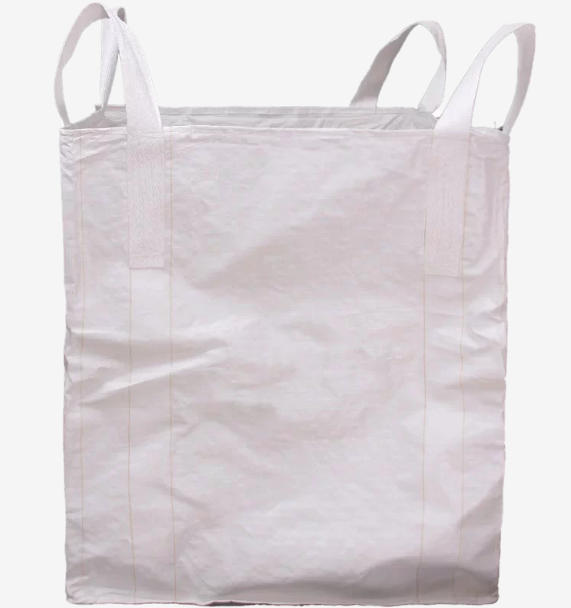
Most flood response plans fail long before the water arrives—not because of effort, but because the barriers are too slow to deploy and too weak to trust. Custom flood control ton bags change that equation. Filled on-site and arranged as durable emergency flood barriers or water diversion channels, they give crews a faster, more flexible way to redirect water instead of chasing it. That kind of readiness is exactly what Jianghe Flood Prevention builds around, with load-ready designs made for real conditions. In this post, we’ll look at what separates dependable custom ton bags from the rest, how they hold up under flood stress, and why the right configuration matters long before the next storm arrives.
What Custom Sizing Actually Changes on a Flood Line
On a Flood Line, custom sizing moves beyond swapping a standard size for a wider chest or a longer inseam. The adjustments quietly reshape the relationship between the shoulder slope, side seam, and hem drop, so the garment hangs from your actual frame instead of pulling toward the nearest off-the-rack proportion. This is where a half-inch change at the armhole or a slight shift in the rise alters how the whole silhouette behaves in motion.
What becomes immediately noticeable is not just fit but balance. A custom Flood Line piece often ends up with a cleaner back panel, less bunching around the midsection, and a collar that stays put because the neckline was cut to follow your measurements rather than a size chart average. Those small corrections accumulate, turning an otherwise familiar cut into something that feels deliberately built for the way you stand and move.
Fabric Weight Alone Won't Save You if the Weave Is Wrong
Most people treat ounces or grams per square metre as a shortcut for quality, but the real signal sits in the intersection pattern. A mid-weight twill with a tight, even construction can shrug off abrasion and keep its shape far longer than a heavier plain weave made from the same fibre. The extra weight in that plain weave often just adds stiffness without adding durability, because the yarns are packed into a simpler grid that has nowhere to release stress.
The difference shows up quickly in warm, humid conditions. An open basket weave in a respectable weight lets air move and glides over the skin, while a dense but poorly chosen weave at nearly identical grams turns into a clingy, damp layer by the end of the day. Once the weave ignores how the yarn wants to bend and breathe, heavier fabric simply becomes heavier discomfort.
A better approach is to read the structure before checking the scale. Count the crossings, look at the spacing, and feel how the cloth recovers after you crush it in your hand. A lighter piece woven with intention will usually hold its own against a heavy cloth that leans on mass to disguise a clumsy construction.
Lifting Straps and Seam Placement That Handle Sudden Loads
Sudden loads expose weak stitching before anything else. A strap that feels solid during slow pulls can tear at the seam when a clean or deadlift gets away from the bar. The fix starts with seam paths that avoid running straight across the load-bearing edge. Curved or branched stitch lines spread the force across more fabric instead of letting one row of thread take the entire spike.
Thread choice and stitch density matter just as much as placement. Heavy bonded nylon or polyester thread handles abrasion better, but tighter is not always stronger. Overly dense stitching can perforate the strap and create a tear line. In high-stress zones, box stitches with parallel rows and folded seam allowances give the thread more material to hold onto, so the load moves through the strap instead of stopping at a single needle hole.
The best designs also address the transition near the buckle or wrist loop, where fabric bunches and rubs. A reinforced panel or a tapering stitch pattern there can prevent the sudden jerk from turning into a rip. When the seams are placed to follow the direction of pull rather than fight it, the strap takes the shock without the stitching popping loose.
Stacking Bags on Sloped Ground Without Sliding or Gaps
Cut a shallow ledge into the slope before the first bag goes down. Burying the bottom third of the first course gives the stack a solid heel to push against and keeps the whole line from creeping downhill once weight is added. Tamp the ledge firm, then place the first row with the folded ends tucked under and facing uphill. Stand on each bag and walk it into the ground and against its neighbor until the contact points feel tight.
Stack the next courses in a running bond so no vertical seam lines up with the one below it. Where a gap opens between two bags, knock the edges together or pack a smaller fill bag into the void before laying the next layer. Give every course a slight backward tilt by setting the outer edge a touch lower than the inner edge, which shifts the load into the hill instead of letting the face drift forward.
On steeper grades, pin the stack with short stakes or rebar driven through the bags and into the slope after every two or three courses. Keep the pins well behind the leading edge so they anchor the mass without creating open channels for water. Crown the top course slightly and press loose soil against the uphill side to seal the last gaps where runoff could work underneath.
UV Damage Is Slow Right Up Until the Seams Give Out
Most fabric fades and thins in a way you can almost track week by week, but the stitching fails on its own schedule. Thread takes the same solar exposure as the panels around it, yet because it sits slightly raised and under constant tension, it breaks down faster than the cloth. A cover can look tired but still serviceable right up until a single seam pops open along a stress line.
That failure rarely announces itself. You might notice a small gap near a corner after a windy afternoon, or a zipper pulls away from the edge without warning. The practical takeaway is to inspect seam runs before the season turns, not just the broad flat areas that catch your eye. Run a thumbnail along the thread line; if it lifts, frays, or snaps in short sections, the panel has already lost its margin.
Filling and Closing Ton Bags in a Hurry Without Weak Spots
When the clock is pushing and the line is backing up, most weak spots start before the bag is even under the spout. A half-opened gusset or a twisted lifting loop will pull the fabric unevenly once the fill begins. Take the extra few seconds to shake the bag open fully and make sure the corners sit square on the pallet or frame. That small correction does more for load stability than forcing extra fill cycles later.
Fill speed usually gets blamed for problems that are actually about how the material lands. Dropping a dense, fast-moving column straight down the middle creates a hard center and leaves the sides lagging. That mismatch is what turns seams into failure points. If the line allows it, pulse the feed or use a tapered spout so the material settles outward before the bag starts bulging. Then stop at the stated safe fill weight instead of trying to squeeze in one more scoop.
Closing under time pressure is where corners get skipped and weak spots get locked in. A rushed neck fold or a crooked heat seal will hold just long enough to pass a quick glance, then let go during handling. Keep a simple sequence: straighten the neck, fold it cleanly, and run the sealer or tie at the right tension. It takes less time than repacking a split bag on the warehouse floor.
FAQ
They're useful for building quick barriers, rerouting water away from doorways and equipment, and reinforcing low spots. Some crews also stack them around fuel tanks or use them to slow erosion along a slope.
Fabric weight, dimensions, seam style, filling options, and printed labels can be adjusted. If you need a specific tie closure or extra UV resistance, that can usually be added without much trouble.
Sand is the default choice, but gravel, soil, and small crushed stone work too. During an emergency, people tend to use whatever fill is close by because the bag is built to hold it in place.
They're made from heavy woven polypropylene with reinforced stitching and lifting points. That gives them enough strength to handle water pressure, scraping, and repeated movement during a fast response.
Yes, as long as they're rinsed, dried, and checked for tears or sun damage. If the fabric has been sitting in sharp debris or strong sunlight, it's safer to replace them before the next season.
Most orders range from about half a cubic yard to two cubic yards, but the dimensions can be set to fit your site. The right size comes down to how you'll fill them and how they'll be stacked.
Keep them folded in a dry area, off the ground, and out of direct sun. That keeps the fabric from weakening and makes them much faster to grab when a storm is on the way.
They're mainly meant for temporary or emergency work, though UV-treated fabric can last through longer deployments. For a permanent barrier, they're often used as a base or a backup layer rather than the only line of defense.
Conclusion
Custom flood control ton bags earn their place when the dimensions match the actual terrain and water flow rather than a generic pallet footprint. A bag cut too wide leaves low spots at the overlap, while a narrower profile lets you follow a curve in a flood line without forcing gaps. The real difference shows in how the fabric is woven, not just its gram weight. A tight, stable weave holds back fine silt and resists tearing under pressure, whereas a heavy but loose weave can stretch and split once it is wet and loaded. Straps and seam placement matter just as much; lifting loops anchored into the body with reinforced stitching keep a sudden load from tearing the bag open as it is moved or dropped into place.
On sloped ground, a well-designed bag sits flat and grips the surface instead of sliding, so stacked layers lock together without leaving channels for water to sneak through. UV exposure is the quiet failure point: the bag may look fine for months while the stitching and folded edges weaken, then fail when the water arrives. That is why seams and high-wear corners need more than a standard thread line. Filling and closing in a hurry also has to be practical. Wide openings, dependable tie-down points, and a closure that does not create a weak spot at the neck keep the bag sealed under load. Together these details turn a simple container into a dependable barrier that can be deployed fast and left in place longer.
Contact Us
Contact Person: Kristin Zhang
Email: [email protected]
Tel/WhatsApp: +8615366239752
Website: https://www.jianghecn.com/