

Cut Operational Costs with Smarter Construction Air Compressor Tactics
2026-07-16
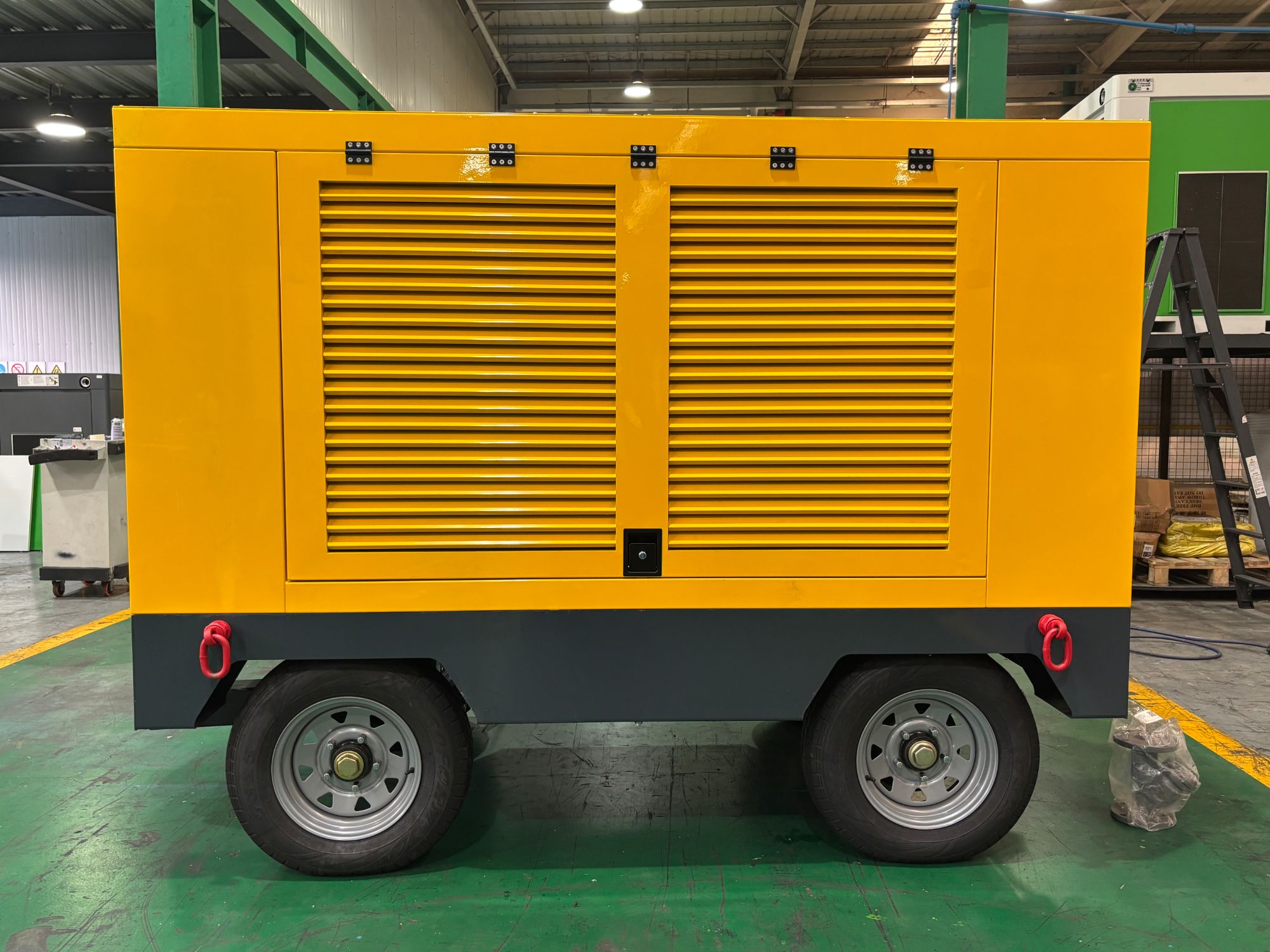
Every construction site manager knows the constant hum of air compressors is the sound of money—but what if that sound could cost far less? With smarter tactics, you can slash operational expenses without sacrificing performance. At Seize Air, we’ve seen firsthand how small adjustments lead to surprising savings. Let’s break down the strategies that turn compressed air from a budget drain into a competitive edge.
Rethinking Compressor Idle Time: When 'Off' Saves More
For decades, the prevailing wisdom in industrial compressed air systems was that keeping a compressor running—even when demand dropped to zero—was cheaper and less stressful on the equipment than shutting it down and restarting it. The logic seemed sound: startups cause inrush currents and mechanical wear, and a warm, idle compressor ready to respond to a sudden demand spike appeared more efficient. But buried in this assumption was a silent drain: an unloaded compressor can still consume 15% to 35% of its full-load power, all while doing no useful work. Add in the cost of wasted air from leaks that persist during idle, and the “on” state becomes far costlier than many realize.
Modern controls and variable-speed drives have flipped the narrative. By strategically turning compressors completely off during extended lulls—such as overnight, on weekends, or between production cycles—facilities have documented energy savings that dwarf any perceived startup penalties. Real-world data shows that the thermal and mechanical stress of a controlled restart is often less damaging than hours of unloaded vibration and heat cycling. When we rethink idle time, the choice sharpens: leaving a compressor running “just in case” bleeds money, while a well-timed shutdown pays for itself faster than most operators expect.
Matching Pressure to the Task So Every psi Counts
Pressure systems often run at a single fixed setting, but tasks demand vastly different force levels. A delicate cleaning operation might only need 500 psi, while stripping paint could require 3,000 psi. Running everything at the highest setting wastes energy, accelerates wear on components, and increases the risk of surface damage. By dialing in exactly the right pressure for each job, you extend equipment life and get better results with less effort.
Matching pressure to the task isn't just about turning a dial; it's about understanding the physics of impact and flow. For instance, a wider nozzle at lower pressure can clean a large area efficiently without the harshness of a pinpoint jet. Conversely, a narrow, high-velocity stream concentrates force for stubborn deposits. The key is to use only as many psi as the work actually requires—this approach conserves water, reduces noise, and prevents operator fatigue from managing excessive recoil.
In practice, getting the most from every psi means training operators to assess the substrate, the type of contamination, and the desired finish before pulling the trigger. It also involves selecting pumps and regulators that offer precise, repeatable adjustment rather than coarse steps. When pressure is treated as a flexible resource instead of a blunt instrument, productivity climbs and operating costs drop—making each pound per square inch count toward a smarter workflow.
Why Your Air Hose Length Is Quietly Draining Profits
It starts subtle—a slight dip in tool performance that you chalk up to aging equipment. But what if the real culprit is coiled just a few feet away? An overly long air hose might not scream inefficiency, yet it constantly leaks pressure, forcing your compressor to work harder and cycle more often. Every extra foot means more internal volume to pressurize, and that dead space isn't free. You're paying for the electricity to fill it, and you're paying for the wear on your machinery. Over months, the numbers add up in ways that don't show on a single bill but quietly erode your margins.
Then there's the friction nobody measures. Air rushing through extended lengths loses velocity, creating a pressure drop at the tool end before you even pull the trigger. To compensate, operators crank up the regulator, pushing the system into a higher, less efficient band. This not only spikes energy consumption but accelerates moisture dropout and contaminates your air supply. Tools run slower, jobs take longer, and suddenly your labor cost per unit output ticks upward. It’s a chain reaction hiding in plain sight, often dismissed as "just how it is" until someone connects the dots between hose length and the bottom line.
Trimming the slack can feel counterintuitive—you want reach and flexibility on the floor. But optimal hose sizing isn't about cutting corners; it's about matching the tool's actual need with minimal resistance. A setup that respects pressure dynamics pays back with consistent tool speed, fewer compressor cycles, and a cooler-running system that stretches the lifespan of every seal, joint, and valve in the line. Sometimes the simplest fixes, like switching to a shorter, appropriately routed hose, make a bigger dent in operational costs than any high-tech upgrade ever could.
The Hidden Cost of Dirty Filters and How to Beat It
Most homeowners swap out filters only when they look grimy, but by then the damage is already underway. A clogged filter forces your HVAC system into overdrive, spiking energy bills month after month. That subtle strain doesn't just drain your wallet—it slowly cooks the blower motor and compressor, turning a cheap replacement part into a four-figure repair. The real sting? You won’t notice until the unit fails on the hottest afternoon of the year.
Beyond the mechanical toll, dirty filters quietly sabotage indoor air quality. They become breeding grounds for mold, dust mites, and bacteria, recirculating allergens that aggravate asthma and allergies. If you’ve been waking up with a dry throat or unexplained sniffles, the culprit might be right behind the return vent. The hidden cost is your family’s health, and that’s one line item no budget can fix.
Beating this cycle isn’t about buying the priciest filter on the shelf. Set a phone reminder to inspect it every month, and swap it before the surface looks dark—pleats should still show their original color. For households with pets or seasonal allergies, a mid-range filter with a MERV 8–11 rating strikes the sweet spot between airflow and filtration. Better yet, pair routine swaps with an annual system check-up; a technician can spot early warning signs that your filter habits have been missing. A little proactive attention keeps your air crisp, your system humming, and your wallet unshaken.
Sizing Down Without Sacrificing Performance
When engineers set out to reduce the footprint of the new model, they knew they couldn’t compromise on what really matters: raw performance. Every millimeter shaved off the chassis was matched by a clever internal redesign that actually improved heat dissipation and signal integrity. The result is a device that feels impossibly compact yet handles demanding tasks without breaking a sweat.
The secret lies in a reimagined component layout that eliminates wasted space while shortening critical pathways. This not only reduces latency but also boosts overall efficiency. Instead of simply downscaling, the team re-architected the core, yielding a 20% increase in throughput per cubic inch compared to the previous generation.
Users no longer have to choose between portability and power. Whether running complex simulations or streaming high-resolution content, the smaller form factor never throttles under pressure. It’s a testament to the idea that great things can come in even smaller packages when the engineering is done right.
Turning Heat Recovery into a Practical Energy Source
Industrial processes, power generation, and even everyday activities waste staggering amounts of heat—often vented into the atmosphere as if it were worthless. But this overlooked resource, when captured and redirected, can slash fuel consumption and emissions. The challenge isn’t the technology itself—heat exchangers and thermal storage have existed for decades—but integrating them into existing systems without crippling disruption. Small-scale trials in district heating networks show that when waste heat from factories or data centers is fed back into local grids, neighborhoods can cut their reliance on fossil fuels by a significant margin, all without residents noticing a single change in their radiators.
What turns a clever idea into a practical solution is economics. For years, low energy prices made heat recovery a hard sell, with payback periods stretching beyond a decade. Today, rising utility costs and stricter carbon regulations are shifting the calculus. Modular recovery units, which can be retrofitted onto existing exhaust stacks and hot water outlets, are now compact enough to be installed during routine maintenance. A brewery in rural Oregon recently captured heat from its brewing kettles to warm its bottling hall, eliminating one-third of its propane use. The installation paid for itself in under two years—a timeline that makes even the most skeptical plant manager pause.
Of course, not every waste stream is worth tapping. The heat must be hot enough, close enough to where it’s needed, and available when demand exists. Advances in phase-change materials and stratified tanks are smoothing out the mismatch between supply and demand, storing high-temperature energy for hours or even days. Paired with smart controls that predict thermal loads, these systems turn an intermittent byproduct into a reliable baseload. It’s a subtle shift in mindset: instead of viewing excess heat as a problem to dump, we’re learning to see it as a distributed resource—one that’s already there, just waiting for the right plumbing.
FAQ
By matching compressor output to actual demand, reducing idle time, and improving maintenance, you can save fuel and extend equipment life.
Running compressors at full load when demand is low wastes fuel and increases wear. Sizing equipment properly for the job can make a big difference.
Variable speed drives, energy-efficient motors, and built-in diagnostic systems help reduce energy use and prevent breakdowns.
Clean filters, proper lubrication, and timely repairs keep the compressor running efficiently, avoiding expensive downtime and fuel waste.
Yes, trained operators know how to adjust settings, monitor loads, and spot issues early, which reduces unnecessary fuel consumption and repairs.
Turn off the compressor during extended breaks and avoid using oversized hoses or tools that demand more air than necessary.
Conclusion
Tackling air compressor costs on a construction site goes far beyond simply switching to a more efficient model—it’s about rethinking ingrained habits. Letting machines hum away during breaks or between tasks might seem harmless, but that idle time bleeds money through fuel or electricity with zero output. A smarter approach is to manually shut them down or invest in auto-stop controls, recouping savings almost instantly. Equally critical is dialing in pressure settings; many jobs run compressors at higher PSI than needed, forcing them to work harder and waste energy. Using regulators to match pressure to each tool’s actual requirement turns every psi into useful work, shrinking the utility bill without slowing anyone down.
The hidden drains are just as damaging. Overlong or narrow air hoses cause pressure drops that make compressors cycle more frequently, silently eroding profit margins—swapping to wider, shorter hoses keeps the flow steady. Dirty intake filters choke airflow, raising fuel consumption and shortening component life, yet a simple cleaning schedule costs almost nothing. Undersized compressors strain to keep up, while oversized ones cycle wastefully; right-sizing units for the real demand curve avoids both pitfalls. Finally, capturing waste heat from compressor cooling systems to warm site trailers or preheat water turns a thermal byproduct into a practical resource. These tactics together form a low-effort, high-impact playbook for slashing operational cost without sacrificing performance.
Contact Us
Contact Person: Mia
Email: [email protected]
Tel/WhatsApp: +86 19821985894
Website: https://www.seize-air.com