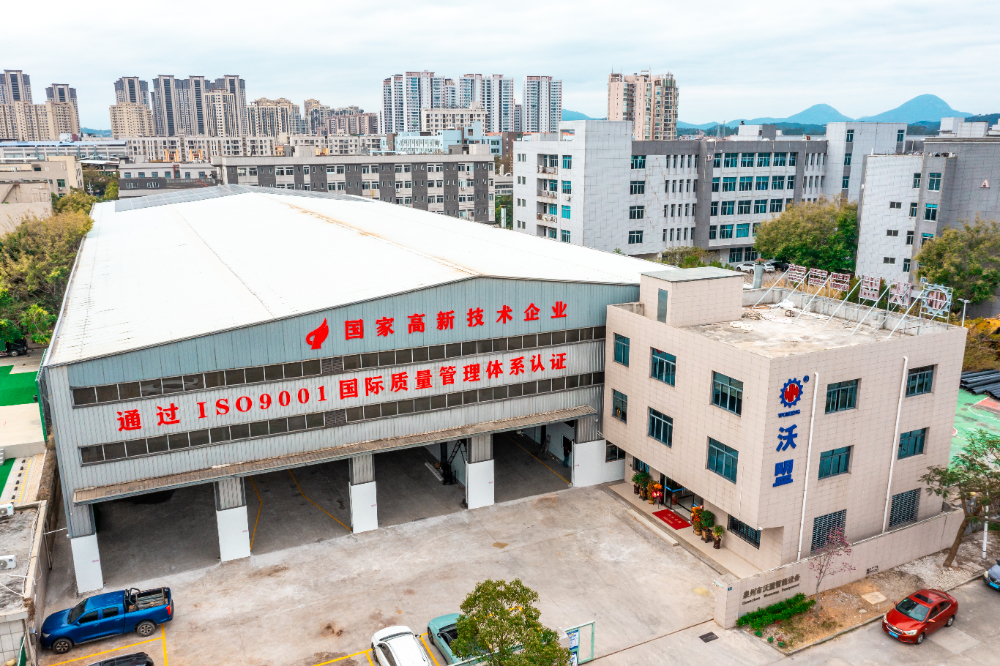

Diaper Machinery Manufacturer Insights: Boosting Production Quality and Efficiency
2026-05-07
In the competitive world of diaper manufacturing, every fraction of a second and every micron of material count. Yet, many producers struggle with inconsistent output and downtime that eat into margins. What if the secret to unlocking next-level quality and efficiency lies not just in your process, but in your machinery partner? At Womeng, we see untapped potential where others see limits. Let’s explore the insights that are reshaping production lines worldwide.
Mastering High-Speed Production Without Compromising Quality
Ramping up production speed often feels like walking a tightrope—lean too far one way and quality slips, edge the other direction and you lose efficiency. The real trick isn't found in a manual but in how the team adapts daily. One plant I visited swapped lengthy setup checklists for visual cues and real-time feedback loops. The result? They shaved off nearly 20 minutes per changeover without a single defect spike. That shift came from empowering operators to flag bottlenecks instantly, not from some corporate mandate.
Technology gets a lot of attention, but it's the human element that either makes or breaks the rhythm. Automated inspection systems can catch flaws, yet they're useless if the line workers don't trust them enough to act. I've seen facilities where blending high-speed cameras with a simple, color-coded alert system let people spot threadbare fabric or off-kilter seams in a split second. The key was treat the gadget as a teammate, not a boss. That cultural nuance turns raw acceleration into a repeatable, dependable flow.
Another often-overlooked factor is the physical layout. Cramped spaces force extra steps and invite mistakes. A food packaging company I worked with tore down a wall to let products glide straight from sealing to boxing. It felt drastic, but it cut handling errors by a third and kept output climbing. No compromise—just questioning old assumptions. Speed doesn't have to be the enemy of craft; it becomes its ally when you design every motion with care.
The Secret to Fluff Pulp Optimization
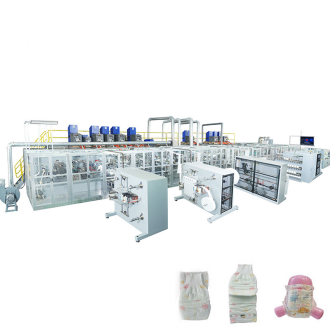
Optimizing fluff pulp isn’t just about tweaking machinery—it’s about understanding the delicate balance between fiber structure and process conditions. The real secret lies in maintaining high bulk while ensuring consistent formation, which requires careful control of refining energy and a keen eye on fiber curl. Many mills overlook the impact of pulp drying profiles, yet this can significantly affect the fluff pulp’s ability to separate and absorb. By fine-tuning the drying temperature curve and minimizing fiber damage, you can achieve a more open sheet that performs reliably in end-use applications.
Another critical factor is the synergy between debonding agents and fiber properties. Instead of simply adding more chemicals, effective optimization involves adjusting the debonder dosage based on real-time measurements of fiber coarseness and kink. This targeted approach prevents over-treatment, which can lead to dusting and reduced pad integrity, while still delivering the softness and fluid acquisition demanded by absorbent hygiene products. It’s a dynamic balance that rewards those who look beyond standard recipes and tailor solutions to their specific furnish.
Finally, don’t underestimate the role of defibration technology. Whether using hammermills or newer high-consistency refiners, the key is to align defibration intensity with the desired fiber network characteristics. A more gentle, staged defibration process often yields better bulk retention and fewer fines, translating into higher performing fluff pulp without sacrificing production efficiency. The true secret is continuous adaptation—constantly testing, measuring, and adjusting to keep the process in that sweet spot where quality and cost-efficiency intersect.
How Smart Sensors Are Revolutionizing Diaper Lines
Imagine a diaper production line that can detect a flaw thinner than a human hair before the product is even fully assembled. That’s the new reality with smart sensors woven into every stage of manufacturing. These tiny devices go beyond basic counting or speed checks—they continuously capture data on moisture levels, material tension, bonding temperatures, and elastic placement with millimeter precision. By feeding this data into adaptive control systems, the line adjusts in real time, preventing waste and ensuring each diaper meets strict quality standards without constant human oversight.
What truly sets this revolution apart is the way sensors enable predictive maintenance and self-optimization. Instead of waiting for a tear in the nonwoven fabric or a jam in the folding unit, the system reads subtle changes in vibration or thermal patterns and flags issues hours before they cause downtime. Maintenance teams receive precise alerts, complete with root-cause analysis, allowing them to swap out a worn component during a planned pause rather than rushing to fix a sudden breakdown. This shift from reactive to proactive operations can boost line efficiency by double digits, slashing both material loss and unplanned stoppages.
Beyond the factory floor, smart sensors are bridging the gap between production data and consumer trust. Integrated with cloud platforms, they create a digital thread from raw materials to the finished pack. A parent scanning a QR code can see proof of consistent absorbency and contamination-free processing, verified by in-line sensor logs. For brands, this transparency becomes a competitive advantage, while the rich analytics feed back into R&D, accelerating the design of thinner, softer, and more eco-friendly products. In an industry often overlooked by high-tech trends, the quiet intelligence of these sensors is sparking a quiet but powerful transformation.
Cutting Waste with Precision Engineering
Precision engineering minimizes waste by ensuring that every cut, mold, or assembly is executed within extremely tight tolerances. This approach drastically reduces material overuse and rework, as components are manufactured correctly the first time. For instance, in metal fabrication, advanced CNC machining can craft parts with micron-level accuracy, leaving almost no scrap behind. The result is a leaner production line that conserves raw materials and lowers disposal costs.
Beyond hardware, digital simulation tools allow engineers to model and stress-test designs before physical production begins. By identifying potential flaws or inefficiencies in a virtual environment, teams can refine specifications to use the minimal amount of material necessary without compromising strength or durability. This practice not only cuts waste but also accelerates development cycles, as fewer prototypes are needed.
Adopting precision techniques also brings long-term environmental benefits. When products are designed for exact fit and function, they experience less wear and tear, extending their service life. Furthermore, the move away from mass overproduction toward made-to-order precision manufacturing means fewer unsold goods end up in landfills. In this way, engineering exactness becomes a cornerstone of sustainable industrial practice.
Operator Training: The Overlooked Efficiency Booster
When factory managers hunt for efficiency gains, their gaze almost always lands on shiny new machinery or software upgrades. Operator training rarely gets a second thought—it’s seen as a box-ticking exercise, a quick walkthrough on day one that fades into background noise. Yet, a well-trained operator can wring more consistent output from a decades-old press than a rookie ever could from the latest model. I’ve walked plants where a single skilled veteran on the floor quietly prevents misalignments, catches odd vibrations before they become downtime, and hits tolerances that no manual spells out. That kind of intuition doesn’t come from a pamphlet—it’s built through methodical, hands-on learning that most budgets ignore.
Beyond the obvious payoff of fewer errors, deep operator training reshapes a plant’s entire relationship with its equipment. When people truly understand a machine’s quirks, they stop just reacting to alarms and start anticipating them—this slashes unplanned maintenance and stretches asset life in ways that capital investments can’t replicate. It also turns operators into problem solvers rather than button pushers, which is crucial when supply chain hiccups force quick changeovers or material substitutions. One food packaging line I observed cut waste by 12% after the team learned to tune heat-seal parameters on the fly, a tweak that no engineer would have prioritized because it never showed up on a dashboard. Training isn’t a cost sink—it’s the hidden gear that keeps everything else turning smoothly.
From Raw Materials to Finished Product: Streamlining the Line
Every production journey begins with raw materials, but turning them into a polished final product takes more than just a series of steps—it demands a seamless flow. The real challenge isn't simply connecting one stage to the next; it's about eliminating friction at every handoff, whether that means refining material selection, adjusting processing parameters, or rethinking how quality checks are woven into the line.
A streamlined line doesn't happen by accident. It grows out of close observation and small, deliberate tweaks. Maybe it's reconfiguring equipment to cut unnecessary transport time, or training operators to spot inconsistencies before they escalate. The goal is always the same: keep the line moving without sacrificing the integrity of the output. When raw materials glide through each phase with minimal pauses, waste drops and throughput climbs naturally.
At its heart, this approach is about seeing the line as a living system rather than a rigid sequence. It's the difference between a process that simply functions and one that adapts—anticipating bottlenecks, shifting resources on the fly, and ensuring that the final product doesn't just meet expectations but arrives on time, every time.
FAQ
Look beyond basic specs like speed and focus on precision components—such as the cutting units and elastic application systems. A machine with adaptable tension control and real-time monitoring often makes the difference between consistent, defect-free diapers and frequent rejects.
Prioritize machines with modular designs that allow quick changeovers and easy access for cleaning. Scheduled predictive maintenance, backed by sensor data, keeps small issues from becoming line stoppers.
Smart automation, like automatic splicing and vision inspection, handles repetitive tasks with high accuracy. It not only speeds up the line but also catches imperfections humans might miss, leading to fewer wasted materials.
A well-designed vacuum system for web handling and precise servo-driven feeders minimize material slippage and misalignment. This directly reduces scrap rates and lets you run lighter, more cost-effective materials without compromising integrity.
The latest platforms use recipe-driven settings and tool-less adjustments. You can switch from a newborn diaper to a pull-up with minimal mechanical changes, maintaining tight tolerances across formats.
Daily checks on ultrasonic bonders and adhesive nozzles prevent gradual drift in quality. Keeping a detailed log of wear parts and swapping them before failure—rather than on a fixed schedule—avoids surprise breakdowns.
Absolutely. By analyzing trends from sensors on diaper weight, elastic elongation, and seal integrity, you can fine-tune processes proactively. This leads to less over-engineering of the product and a tighter cost control without risking quality.
Conclusion
In the competitive world of diaper manufacturing, striking the perfect balance between high-speed output and impeccable quality is a challenge that defines market leaders. Mastering ultra-fast production lines demands engineering that refuses to cut corners—vibration control, precision die-cutting, and real-time tension adjustment ensure every diaper meets strict standards even at breakneck speeds. Equally critical is the often-underestimated role of fluff pulp optimization: by fine-tuning fiberization and homogeneous core formation, manufacturers achieve maximum absorbency while minimizing material use, directly impacting both performance and cost.
But technical prowess alone isn't enough. The integration of smart sensors has revolutionized quality assurance, with vision systems and moisture detectors instantly flagging deviations and triggering automatic adjustments, drastically reducing waste. Precision engineering takes waste reduction further through meticulous component alignment and closed-loop control, turning what was once scrap into valuable product. Yet, all this technology falls short without skilled operators—targeted training programs unlock hidden efficiency, empowering staff to anticipate issues rather than just react. Finally, a holistic view from raw materials to finished product, with synchronized infeed systems and seamless flow, ties everything together. It's this blend of innovative machinery, intelligent sensors, streamlined processes, and human expertise that truly elevates production quality and efficiency.
Contact Us
Contact Person: Jessie Lai
Email: [email protected]
Tel/WhatsApp: 86-188594442931
Website: https://www.wm-machinery.com