

Enameling Machine Guide: Unlocking Top Performance in Coating Technology
2026-02-28
Welcome to our guide on enameling machines – the cornerstone of modern coating technology. At GRM, we understand that achieving top performance in coating applications requires precision, innovation, and reliability. In this blog, we'll explore how advanced enameling equipment can transform your production processes, reduce waste, and enhance product quality. From key features to maintenance tips, we’ll provide insights that help you unlock the full potential of your coating operations. Join us as we delve into the world of enameling technology and discover how GRM’s expertise can elevate your industry standards.
Mastering the Fundamentals of Enameling Machine Setup
Getting an enameling machine dialed in just right can feel like a bit of magic at first, but it's really all about nailing a few core principles. Think of it as setting the stage before the show begins—if your machine isn't properly calibrated and aligned, even the best materials won't give you those crisp, vibrant finishes you're aiming for. It starts with a thorough check of the mechanical components, ensuring everything from the conveyor belts to the spray guns is clean and free of wear, because even a tiny misalignment can lead to uneven coating or costly downtime. Many operators jump straight into production, but taking that extra time to verify tolerances and test run empty cycles pays off massively in consistency down the line.
One aspect that often gets overlooked is the environmental setup around the machine itself. Temperature and humidity aren't just comfort factors—they directly influence how enamel flows and cures. For instance, in a overly humid shop, you might notice the powder clumping or not adhering smoothly, while cold drafts can cause premature setting and texture issues. It's worth investing in basic climate control or at least monitoring these conditions with simple gauges, adjusting your process parameters like pre-heat times or spray pressure accordingly. Remember, a stable environment helps maintain repeatable results batch after batch, which is key for quality control in high-volume operations.
Beyond the hardware, mastering setup also involves developing a keen sense for material behavior and operator intuition. Different enamel formulations—whether lead-based, lead-free, or specialty blends—require tweaks in application techniques; something as subtle as changing the gun-to-part distance or tweaking the electrostatic charge can make or finish. Seasoned techs often keep a log of what works best for each job, creating a personalized playbook that goes beyond the manual. By combining rigorous checks with hands-on experimentation, you transform setup from a routine task into a craft that ensures every piece comes out looking flawless, reducing waste and boosting efficiency in the long haul.
Optimizing Coating Uniformity with Advanced Techniques
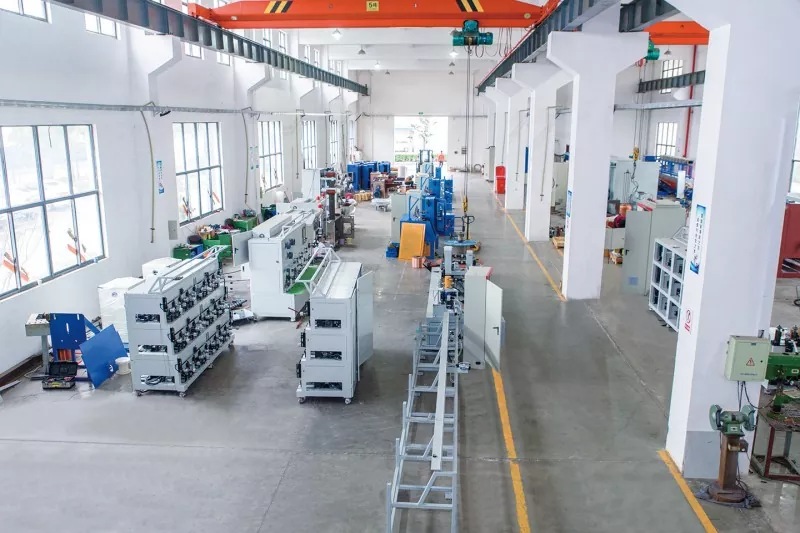
In the world of industrial processes, achieving a perfectly even coating layer isn't just a nicety—it's often the difference between product success and failure. Traditional methods, while reliable, sometimes stumble when dealing with complex geometries or high-speed production lines. That's where advanced techniques come into play, offering a new level of precision and control that can transform coating quality. By leveraging technologies like automated spray systems, real-time monitoring sensors, and adaptive control algorithms, manufacturers can now fine-tune every aspect of the coating process, reducing waste and ensuring that each surface receives an optimal, uniform layer.
One standout approach involves the use of computational fluid dynamics (CFD) modeling to simulate how coating materials behave under different conditions. Rather than relying solely on trial and error, engineers can predict how factors like airflow, viscosity, and temperature will affect deposition patterns before a single drop is applied. This predictive capability allows for adjustments in nozzle design or process parameters upfront, minimizing defects. Coupled with robotics that can adjust spray angles and speeds on the fly, this method delivers consistent results across varied substrates, even in challenging environments like those with intricate recesses or curved surfaces.
Ultimately, the shift toward these advanced techniques isn't just about incremental improvements; it's a game-changer for industries from electronics to aerospace. By integrating smart data analytics, companies can continuously refine their processes, spotting trends and anomalies that might otherwise go unnoticed. This proactive stance ensures not only better uniformity but also enhanced durability and performance of the coated products. In essence, it's a move from passive control to active optimization, setting a new benchmark for quality in coating applications.
Maintenance Best Practices for Sustained Machine Efficiency
Regular maintenance is the cornerstone of keeping machinery running smoothly and efficiently over the long haul. Instead of just sticking to a rigid schedule, it's crucial to adopt a proactive approach by monitoring performance metrics like temperature, vibration, and energy consumption in real-time. This allows you to spot potential issues before they escalate into costly breakdowns, ensuring your equipment stays in peak condition without unexpected downtime.
Personalizing maintenance routines based on each machine's specific usage patterns and environmental factors can make a significant difference. For instance, machines operating in dusty conditions might need more frequent filter changes, while those in high-humidity areas could benefit from extra lubrication checks. By tailoring your strategy, you not only extend the lifespan of your equipment but also optimize resource use, leading to better overall efficiency and reduced waste.
Incorporating modern technology, such as IoT sensors and predictive analytics, transforms maintenance from a reactive task into a strategic advantage. These tools provide actionable insights, helping predict when parts might fail or when performance is dipping, so you can plan interventions precisely. This smart approach minimizes disruptions, keeps energy consumption in check, and ensures your machinery consistently delivers top-notch output, making sustained efficiency a tangible reality in your operations.
Innovation in Material Handling for Enhanced Production
In today's fast-paced manufacturing environments, the push for increased productivity often hinges on how efficiently materials move through the production line. Traditional methods, like manual lifting or basic conveyor belts, can introduce bottlenecks, errors, and safety risks that slow down operations. By integrating smart technologies, such as automated guided vehicles (AGVs) and IoT-enabled sensors, companies are transforming material handling into a seamless, data-driven process. These innovations allow for real-time tracking and predictive maintenance, reducing downtime and ensuring that parts arrive exactly where and when they're needed, thereby smoothing workflows and boosting output.
Beyond automation, ergonomic improvements in equipment design are making a significant difference. For instance, adjustable-height workstations and collaborative robots (cobots) assist workers without replacing them, reducing physical strain and minimizing injuries. This not only enhances employee well-being but also leads to more consistent and reliable production cycles. By focusing on human-centric solutions, manufacturers are tapping into untapped efficiencies—where happier, healthier workers contribute to a more resilient and agile production system, directly impacting overall throughput and quality.
Looking ahead, the convergence of AI and machine learning is set to revolutionize material handling further. Systems can now analyze vast amounts of operational data to optimize routes, predict demand fluctuations, and even self-correct in response to unexpected disruptions. Imagine a warehouse where intelligent sorting systems adapt on the fly, or a factory floor where drones deliver components with pinpoint accuracy. These cutting-edge approaches not only cut costs but also enable scalability, allowing businesses to respond swiftly to market changes and scale production without compromising efficiency, ultimately driving a competitive edge in an ever-evolving industry.
Troubleshooting Common Issues in Enameling Processes
When tackling common issues in enameling, one often encounters problems like blistering or pinholes. These imperfections typically arise from trapped gases or contaminants during the firing process, and addressing them involves thorough cleaning of the metal substrate, careful preparation of enamel powders, and precise control of kiln temperatures to ensure proper flow and adhesion without unwanted reactions.
Another frequent challenge is uneven coating or color inconsistencies, which can stem from improper enamel application techniques or inconsistent firing cycles. To mitigate this, artists might experiment with different application methods, such as sifting or wet-packing, and maintain consistent heating and cooling rates in the kiln to achieve uniform results across the piece.
For issues like cracking or crazing, it's often related to thermal expansion mismatches between the enamel and base metal. Solutions include selecting compatible materials, pre-annealing the metal to reduce stress, or adjusting the firing schedule to allow for gradual heating and cooling, thereby minimizing thermal shock and enhancing durability.
Future Trends in Durability and Finish Technologies
As industries push toward sustainable and efficient solutions, durability and finish technologies are evolving rapidly. We're seeing a shift from traditional coatings to advanced materials like self-healing polymers and nanocoatings that not only extend product life but also reduce maintenance costs. These innovations are being driven by environmental regulations and consumer demand for longer-lasting goods, making durability a key focus in design and manufacturing.
Another exciting trend is the integration of smart finishes that adapt to environmental changes. Imagine surfaces that can repel water, resist UV damage, or even change color based on temperature—all without compromising on aesthetics. This blend of functionality and style is setting new benchmarks in sectors from automotive to architecture, where finishes are no longer just cosmetic but integral to performance.
Looking forward, the convergence of digital fabrication and material science is poised to revolutionize how we apply finishes. Techniques like 3D printing and laser etching allow for precise, customized coatings that enhance durability while minimizing waste. As these technologies become more accessible, expect to see more personalized and resilient products hitting the market, reshaping what's possible in both industrial and consumer applications.
FAQ
An enameling machine should feature precise temperature control, uniform coating application, and robust material handling to ensure consistent, high-quality finishes in coating technology.
Regular calibration, adherence to maintenance schedules, and proper training on machine settings help sustain efficiency and reduce downtime in large-scale operations.
Key safety measures include wearing protective gear, ensuring proper ventilation to avoid fume exposure, and implementing emergency shut-off systems for quick response to malfunctions.
Incorrect enamel thickness can lead to uneven coatings or cracks, while improper viscosity may cause drips or poor adhesion, compromising durability and appearance.
Check for nozzle clogs, adjust pressure settings, and inspect conveyor belts for alignment; regular cleaning and monitoring can often resolve these problems quickly.
Different materials require compatible enamels to ensure proper bonding and finish; mismatched selections can result in peeling, corrosion, or reduced performance.
Conclusion
The "Enameling Machine Guide: Unlocking Top Performance in Coating Technology" provides a comprehensive roadmap for achieving excellence in surface finishing operations. Mastery begins with understanding the fundamentals of machine setup, which is essential for establishing a solid foundation. By integrating advanced techniques, operators can optimize coating uniformity, ensuring consistent quality across all products. This guide emphasizes that a well-tuned setup not only enhances initial performance but also sets the stage for long-term reliability. Attention to detail in these early stages prevents inefficiencies and reduces material waste, making processes more sustainable and cost-effective.
To maintain peak efficiency, the guide highlights best practices in maintenance, which are crucial for sustained machine operation. Innovative approaches to material handling further enhance production by streamlining workflows and minimizing downtime. When issues arise, effective troubleshooting strategies address common problems in enameling processes, keeping operations smooth. Looking ahead, the guide explores future trends in durability and finish technologies, encouraging adaptability in an evolving industry. This holistic approach ensures that users not only solve immediate challenges but also prepare for advancements, unlocking continuous improvements in coating performance and product quality.
Contact Us
Contact Person: Rayna
Email: [email protected]
Tel/WhatsApp: 86 -173 1474 6343
Website: https://www.grmrollingmill.com/