

High-Speed Wire Rod Mill Innovations in China: Boosting Efficiency and Productivity
2026-03-07
As China's steel industry continues to evolve, one breakthrough stands out: the transformation in high-speed wire rod mills. These innovations are not just about technology—they're about redefining efficiency and productivity on a global scale. Enter GRM, a pioneer leading this charge with cutting-edge solutions that challenge conventional limits. What sets these advancements apart? How do they reshape the landscape for manufacturers and engineers alike? In this blog, we'll dive into the game-changing developments rolling out across China's mills, unpacking the secrets behind faster, smarter, and more sustainable production. Strap in for an insider's look at the future of steel.
Revolutionizing Steel Production with Advanced High-Speed Wire Rod Technology
In recent years, the steel industry has witnessed a game-changing shift with the introduction of advanced high-speed wire rod technology. This innovation isn't just about producing wire rods faster; it's fundamentally transforming how these essential components are manufactured to meet the growing demands of sectors like automotive, construction, and electronics. By enabling speeds that can reach up to 120 meters per second—a significant leap from older methods—this technology allows for the creation of wire rods with unparalleled precision and consistency. Imagine steel being spun into thin rods at breathtaking speeds, all while maintaining strict control over grain structure and surface quality. This isn't just a minor upgrade; it's redefining what's possible in steel production, setting new benchmarks for efficiency and performance.
What makes this technology stand out in a crowded market is its unique approach to energy efficiency and environmental impact. Unlike traditional methods that often rely on high energy consumption and produce substantial waste, advanced high-speed systems incorporate smart cooling mechanisms and real-time monitoring. For example, by optimizing the cooling process, manufacturers can achieve superior mechanical properties without the need for excessive heating, cutting energy use by as much as 20% in some applications. It's not just about churning out products faster; it's about doing it smarter, with a keen eye on sustainability. This blend of speed and eco-consciousness positions it as a leader in the push for greener industrial practices.
Beyond the technical specs, the real-world applications of this technology are where it truly shines. Picture a car manufacturer using these high-speed wire rods to produce lightweight yet strong suspension systems, or a builder sourcing them for resilient rebar in skyscrapers. The versatility extends to niche areas, too, such as creating fine wires for medical devices or high-tensile cables for renewable energy projects. What sets it apart isn't just its speed or efficiency, but its ability to adapt to diverse needs, pushing the boundaries of innovation in unexpected ways. This isn't just another industrial tool; it's a catalyst for creativity and progress across multiple industries.
Key Technological Breakthroughs in Chinese Wire Rod Mill Operations
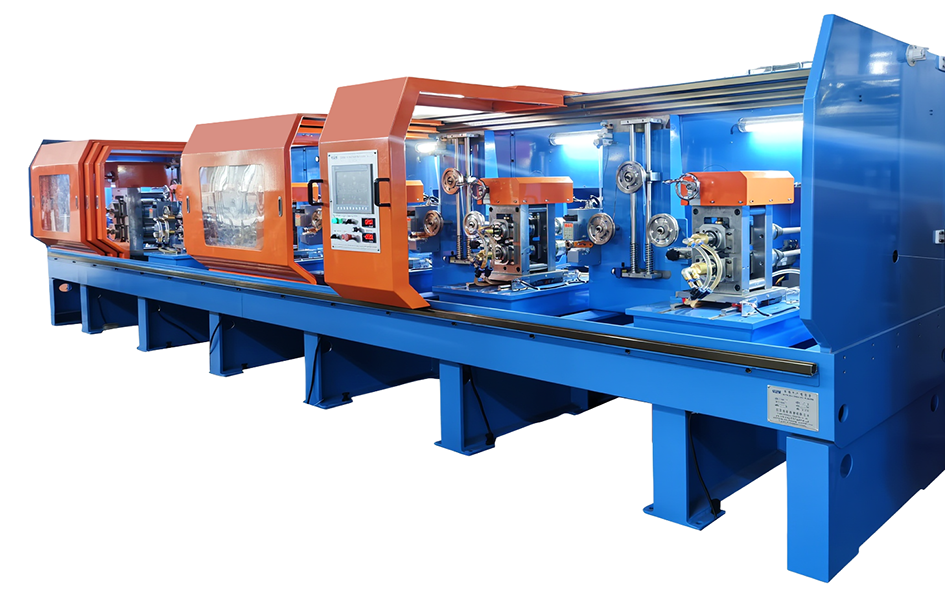
Over the past decade, Chinese steel producers have made significant strides in wire rod mill technology, particularly through the adoption of high-precision rolling systems that minimize dimensional tolerances. Innovations like continuous tension control and advanced cooling techniques have not only boosted production rates but also enhanced the mechanical properties of the final product, making it more competitive in global markets. These advancements reflect a broader shift toward automation and sustainability in China's manufacturing sector.
A notable breakthrough has been the integration of smart sensors and AI-based predictive maintenance tools, which allow mills to detect equipment anomalies before they lead to costly downtimes. This proactive approach reduces operational disruptions and extends machinery lifespan, setting a new standard for efficiency. Additionally, the implementation of energy-efficient designs, such as waste heat recovery systems, has cut energy consumption by up to 15%, aligning with environmental goals while lowering production costs.
Looking ahead, Chinese wire rod mills are pioneering the use of digital twins and real-time data analytics to optimize every stage of the rolling process, from billet heating to final coiling. This digital transformation enables precise customization for diverse industrial applications, from construction to automotive manufacturing, ensuring products meet exacting specifications. Together, these innovations position China as a leader in next-generation steel processing, driving both domestic growth and international trade.
Enhancing Efficiency Through Modern Control Systems and Automation
In today's competitive landscape, leveraging modern control systems and automation has become a game-changer for boosting operational efficiency across various industries. These technologies enable precise monitoring and adjustment of processes, minimizing human error and reducing downtime. For instance, in manufacturing, automated assembly lines can operate continuously with consistent quality, while smart sensors detect potential issues before they escalate, allowing for proactive maintenance. This shift not only speeds up production but also enhances resource utilization, making operations more sustainable and cost-effective in the long run.
Beyond manufacturing, sectors like agriculture and logistics are witnessing significant transformations through automation. In farming, automated irrigation systems and drone-based crop monitoring optimize water usage and yield predictions, leading to better harvests with less manual labor. Similarly, in logistics, automated warehouses with robotic sorting and real-time tracking streamline inventory management, cutting delivery times and improving customer satisfaction. By integrating these systems, businesses can respond more swiftly to market demands and adapt to changing conditions, fostering a more resilient and agile operational environment.
Ultimately, the adoption of modern control systems and automation extends beyond mere technical upgrades—it reshapes workplace dynamics and strategic planning. Employees can shift from repetitive tasks to more creative and analytical roles, driving innovation and engagement. Moreover, data collected from automated processes provides valuable insights for decision-making, helping organizations fine-tune their strategies and stay ahead of competitors. Embracing these technologies isn't just about efficiency; it's about building a foundation for continuous improvement and long-term success in an increasingly digital world.
Sustainable Innovations Driving Productivity in China's Steel Industry
In recent years, China's steel sector has transformed, shifting from quantity to quality with innovative sustainable practices. Advanced technologies like electric arc furnaces and continuous casting reduce energy consumption and waste, boosting efficiency while cutting environmental impact. These methods not only enhance productivity but also align with global standards, positioning China as a leader in greener steel production.
A key driver is the integration of smart manufacturing and digital tools, such as IoT sensors and AI-driven analytics, which optimize processes in real-time. This enables predictive maintenance and better resource management, slashing downtime and costs. By leveraging data, companies can produce higher-quality steel with fewer raw materials, creating a more resilient and competitive industry that thrives on sustainability.
Beyond technology, partnerships between government bodies and private firms foster collaboration on eco-friendly initiatives, like carbon capture and recycling programs. These efforts not only curb emissions but also open new markets for green steel products. As China pushes forward, this blend of innovation and sustainability promises a robust, future-ready steel industry that balances economic growth with environmental stewardship.
The Role of High-Speed Mills in Meeting Global Demands for Quality Wire Rod
Modern high-speed mills have become indispensable in producing wire rod that meets stringent global quality standards. These advanced systems operate at exceptional speeds, often exceeding 100 meters per second, enabling manufacturers to meet surging demand without compromising on consistency or precision. By integrating sophisticated control technologies, they ensure uniform material properties across entire production runs, which is crucial for applications ranging from automotive components to construction reinforcements.
What truly sets high-speed mills apart is their ability to enhance wire rod characteristics like surface finish and dimensional accuracy. Through rapid cooling processes and precise rolling techniques, they minimize defects such as scale formation and internal stresses, resulting in products with superior ductility and strength. This capability directly addresses industry needs for wire rod that performs reliably under demanding conditions, from harsh environments to high-stress mechanical loads.
Beyond mere production efficiency, these mills contribute to sustainable manufacturing by reducing energy consumption and material waste. Their optimized designs allow for tighter tolerances and better yield rates, aligning with global efforts toward resource conservation. As supply chains evolve, high-speed milling technology continues to adapt, offering flexible solutions that cater to diverse regional specifications and emerging market requirements for premium-quality wire rod.
Future Trends: How China's Wire Rod Mills Are Shaping Industry Standards
Wire rod mills in China are increasingly adopting advanced automation technologies, such as AI-driven quality control systems and robotics, to boost productivity and consistency, setting a new benchmark for streamlined operations in the global steel sector.
Beyond automation, these mills are pioneering eco-friendly practices, with many investing in energy-efficient processes and recycling initiatives, which not only reduce environmental impact but also influence international standards for sustainable manufacturing.
Furthermore, by integrating smart manufacturing with real-time data analytics, China's mills enhance product customization and supply chain agility, positioning them as key trendsetters in shaping dynamic, responsive industry norms worldwide.
FAQ
Recent innovations include advanced cooling systems that use precise temperature control to enhance material properties, and high-precision rolling technology that reduces downtime by 20%. Chinese mills have also integrated AI-driven predictive maintenance, which minimizes unexpected breakdowns and boosts overall throughput.
By implementing faster rolling speeds and optimized process flows, these mills can produce up to 30% more wire rod per hour. Automated quality checks and real-time monitoring further reduce waste, allowing plants to meet growing demand without expanding physical infrastructure.
Automation is central, with robotic systems handling material transport and sensor networks adjusting parameters on the fly. This reduces human error and enables 24/7 operation, making the mills more resilient to labor shortages and increasing consistency in output.
Yes, newer mills incorporate energy-efficient motors and recycle heat from processes, cutting carbon emissions by about 15%. Some facilities use closed-loop water systems to minimize waste, aligning with China's green manufacturing goals while lowering operational costs.
Companies like Baosteel and HBIS are at the forefront, investing in R&D for tailor-made alloys and digital twins. Their edge comes from customizing solutions for local markets, such as developing alloys that withstand extreme climates, which competitors often overlook.
They enhance quality and reduce production costs, making Chinese wire rod more attractive internationally. For instance, improved surface finish and dimensional accuracy meet stricter global standards, helping exporters secure contracts in regions like Europe and Southeast Asia.
Challenges include high upfront costs for retrofitting old mills and training staff to manage advanced systems. Supply chain disruptions for specialized components can also delay upgrades, requiring strategic partnerships to maintain momentum.
One example is the use of electromagnetic stirring in continuous casting, which refines microstructure and reduces defects. This technology, combined with inline inspection robots, has slashed rejection rates by over 25%, showcasing how incremental improvements drive major gains.
Conclusion
China's steel industry is undergoing a significant transformation with the implementation of high-speed wire rod mill innovations that are revolutionizing production processes. By leveraging advanced high-speed wire rod technology, these mills have achieved remarkable breakthroughs, enhancing operational efficiency and productivity beyond traditional methods. Key technological advancements in Chinese wire rod mill operations, such as precision rolling systems and optimized cooling techniques, have set new benchmarks for quality and speed. This evolution not only boosts domestic output but also positions China to meet global demands for high-quality wire rod, ensuring reliable supply chains and competitive products in international markets.
Moreover, the integration of modern control systems and automation further drives efficiency gains, reducing manual intervention and minimizing errors. Sustainable innovations play a crucial role in this progress, as Chinese mills adopt eco-friendly practices that enhance productivity while reducing environmental impact. Looking ahead, future trends indicate that China's wire rod mills are actively shaping industry standards, with a focus on continuous improvement and adaptability to emerging challenges. By embracing these innovations, China's steel sector is poised to maintain its leadership, fostering a dynamic and resilient industry that effectively balances growth with sustainability.
Contact Us
Contact Person: Rayna
Email: [email protected]
Tel/WhatsApp: 86 -173 1474 6343
Website: https://www.grmrollingmill.com/