

Mechanical Reversing Ceramic Hydraulic Filter Press Piston Pump Services: Optimizing Performance for Demanding Applications
2026-08-25
What separates a filter press that runs around the clock from one that stalls out mid-cycle? In many cases, it is the pump—specifically, a mechanical reversing ceramic hydraulic piston pump that has been properly matched and maintained. Slurries, high pressure, and continuous duty cycles punish every component, and generic service advice rarely cuts it. At Sinou, we have learned that optimizing these pumps for demanding applications means paying attention to details most providers overlook. This article explores the service practices that keep your filter press piston pump performing at its peak, so you can avoid unplanned downtime and extend equipment life.
How Ceramic Pistons Stand Up to Abrasive Filter Press Slurries
In high-pressure filter press operations, the piston face is relentlessly scoured by a dense stream of mineral particles, clay fines, and occasionally sharp crystalline debris. Conventional hardened steel or even chrome-plated pistons quickly develop micro-grooves along the sliding path, which then trap slurry and accelerate wear through a ratcheting effect. Ceramic pistons, typically made from sintered alumina or zirconia-toughened alumina, present a surface hardness that sits well above most abrasive media in the slurry. This hardness differential means that individual particles tend to fracture or skid across the surface rather than plough into it, preserving the original polished finish far longer.
Beyond raw hardness, the real advantage lies in the ceramic's low coefficient of friction and chemical inertness. In a filter press, the piston does not merely slide against the slurry; it does so under high axial load while a thin film of filtrate or cake moisture acts as the only lubricant. A ceramic surface, with its extremely fine grain structure and lack of metallic galling tendencies, maintains a smooth boundary layer even after thousands of cycles. Moreover, many slurries carry acidic or caustic leachates that would pit or corrode a metal piston, creating initiation points for abrasive wear. The ceramic's resistance to both corrosion and abrasion means the piston retains its dimensional accuracy, reducing bypass leakage and maintaining consistent filtration pressure without the need for frequent teardown.
Field data from alumina refineries and mineral processing plants shows a marked difference in service life: a well-matched ceramic piston can outlast a hardened steel counterpart by a factor of three to five in the same slurry environment. The key is not just the material itself, but the design of the piston-to-cylinder clearance and the use of a compliant seal that allows slight flex without imposing point loads on the ceramic rim. When installed correctly, the ceramic piston does not fight the abrasive slurry; it simply refuses to wear at the same rate, turning a major maintenance headache into a predictable, long-interval replacement item.
Mechanical Reversal Timing That Avoids Hydraulic Hammer
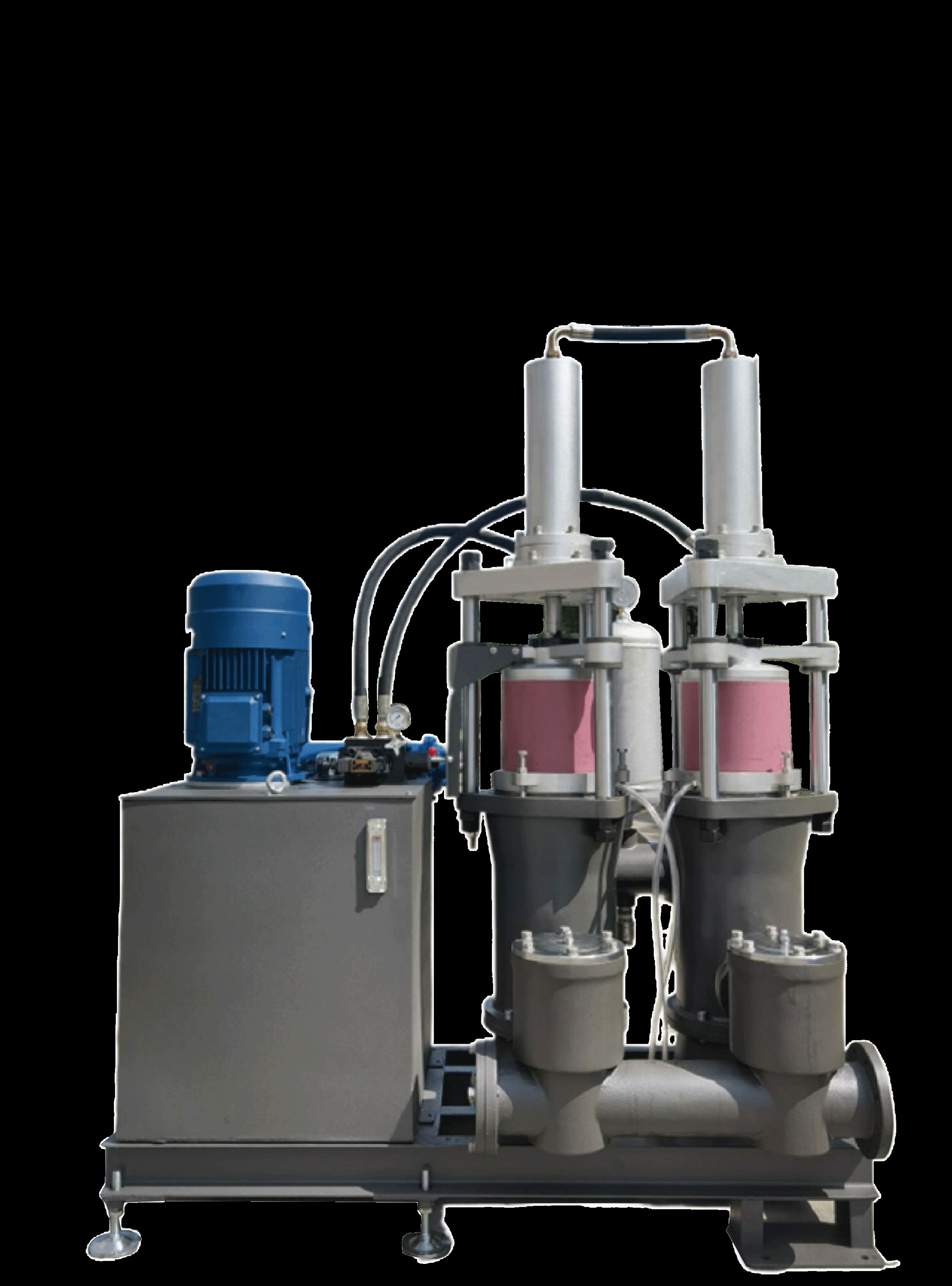
In hydraulic systems, the sudden stop or reversal of flow can send a pressure spike through the lines, often heard as a sharp bang—this is hydraulic hammer. One of the most effective ways to prevent it is to adjust the mechanical reversal timing so that the directional control valve shifts while flow velocity is still low. Instead of an abrupt change, the valve spool moves through a controlled transition, giving the fluid column time to decelerate before it is forced in the opposite direction.
The key is to tie the reversal point to actual machine position rather than a fixed time delay alone. By using mechanical stops, cams, or pilot signals that trigger reversal slightly before the cylinder reaches the end of its stroke, the system can begin decelerating early. This early trigger reduces the kinetic energy of the moving mass and fluid, so that when the direction finally changes, the pressure surge is kept well below the threshold that causes hammer.
Field adjustments often involve setting the reversal timer or cam position so that the valve begins shifting just as the load slows down. If the timing is too late, the fluid is still moving at full speed and the sudden stop creates a hammer. If it is too early, the machine may lose stroke or productivity. A well-tuned mechanical reversal timing balances these factors, protecting seals, pipes, and valves while maintaining smooth operation.
Why Pump Seals Fail Early in Demanding Filtration Cycles
In aggressive filtration cycles, pump seals often fail not because of a single dramatic event, but due to a slow accumulation of operational stress that gets overlooked during routine checks.
The real culprit is usually a mismatch between the seal's material limits and the actual duty cycle — frequent start-stop sequences, sudden pressure spikes, and abrasive particles in the fluid all quietly erode the seal faces long before a visible leak appears.
What makes this failure pattern especially frustrating is that it mimics normal wear, so maintenance teams keep replacing seals with the same specification, never realizing the operating conditions have already shifted beyond what the original design expected.
Tuning Relief Valves for Consistent Cake Discharge Pressure
Operators often treat the relief valve purely as a safety device, overlooking its direct influence on cake discharge. The cracking pressure setting determines how much residual pressure remains in the chamber just before the plate opens. Set it too high and the sudden pressure drop can shatter or smear the cake; set it too low and the cake won't release cleanly from the cloth.
Start by logging the pressure curve across several discharge cycles. Note the peak value and where it stabilizes during the blow-down phase. Then adjust the relief valve set point in small increments—2 to 5 psi is usually enough to see a difference in cake thickness and moisture content. Keep an eye on valve seat wear and spring fatigue, as these cause gradual set-point drift that undermines repeatability.
Some plants get better results with a two-valve arrangement: a low-pressure pilot handles the initial venting shock while a larger main valve maintains steady backpressure during cake push-out. This softens the pressure spike and produces a more uniform cake. Record the adjusted settings alongside cake quality data so you can build a reliable operating window specific to your slurry and filter cloth.
Rebuild vs. Replace: Reading Piston Wear Before It Spreads
Reading piston wear before it spreads means separating harmless polish from structural grief. A dull, even shine across the skirt usually indicates normal break-in, while sharp vertical scoring that catches a fingernail points to bore distortion or insufficient clearance. Pull the pin and rock the piston in the bore—if the play feels loose in one axis but tight in another, you're looking at a taper that a simple hone won't fix.
Most engines can be rebuilt with the same pistons if the ring lands are intact and the skirt coating hasn't worn through to bare aluminum. But once you see erosion around the ring grooves or cracks radiating from the pin boss, the cost of machining old slugs quickly outweighs a fresh set. Measure the skirt diameter at three heights; a difference over 0.002 inch across the thrust face often signals that the cylinder wall is eating the piston, and at that point you're not fixing a wear pattern—you're chasing a failing bore.
Service Intervals That Match Your Production Peaks
Scheduled maintenance often collides with the worst possible moment—right when demand climbs and every hour of uptime counts. By reading actual production patterns instead of relying on fixed calendar dates, your service windows can be shifted into the brief lulls that naturally occur between high-output stretches. That way, equipment gets the attention it needs without stealing capacity from your busiest shifts.
This isn't just about moving a date on a spreadsheet. It means looking at which machines carry extra load during certain months, which shifts run longer than others, and where backup capacity already exists. Those details allow a maintenance plan to flex around real conditions. When a peak is approaching, the schedule tightens only the most critical tasks and pushes lower-priority work into the next available slowdown.
The payoff shows up in fewer unplanned stops and a clearer sense of control. Operators stop dreading the maintenance notification because it arrives in a window they can absorb. Peak output stays protected, and the equipment still gets serviced consistently—just at a rhythm that fits the way you actually produce.
FAQ
A thorough service usually covers disassembly and inspection of the piston, ceramic liner, and seals, followed by cleaning or replacement of worn components. The reversing valve and hydraulic circuit are also checked for proper shifting, and the pump is recalibrated to match the filter press's pressure and flow requirements.
Service intervals depend heavily on operating hours, slurry abrasiveness, and pressure cycles, but most plants benefit from a detailed inspection every 1,500 to 2,000 running hours. For harsh mineral or chemical slurries, seal and ceramic component checks may be needed every 500 hours to catch wear before it causes a drop in filtration pressure.
Ceramic offers exceptional hardness and resistance to abrasive slurries, which is critical because the piston and liner are constantly exposed to fine particles that would quickly score metal surfaces. It also withstands chemical attack from acidic or alkaline process fluids, helping the pump hold stable pressure over much longer service intervals.
A gradual loss of holding pressure during filtration, slower cycle times, visible leakage from the stuffing box, or a knocking sound when the pump reverses direction are all warning signs. If the pump starts hunting or fails to complete a full stroke, the reversing mechanism or pilot valve may already be sticking and should be inspected without delay.
By ensuring the pump can quickly build and hold high pressure without internal bypass, the filter press reaches target cake dryness faster. Proper servicing also reduces stroke lag and eliminates pressure dips during the reversing sequence, which means more consistent flow into the press and shorter overall fill and squeeze phases.
Many routine services such as seal replacement, valve adjustment, and checking the reversing mechanism can be done on-site with the pump still connected. However, if the ceramic liner or piston needs replacement or if the hydraulic power pack requires major work, it is often more practical to remove the pump head and perform the rebuild in a controlled workshop environment.
Mining tailings dewatering, fine chemical filtration, and pigment or dye processing are among the toughest because they combine abrasive solids with aggressive liquids and long duty cycles. Wastewater sludge with high grit content also pushes these pumps hard, making regular servicing and ceramic component integrity essential for reliable operation.
After reassembly, the pump is typically run against a test manifold to confirm it reaches target pressure without excessive pulsation or internal leakage. The reversing cycle is timed in both directions, and the flow output is measured to ensure it matches the original specification before the unit is returned to the filter press line.
Conclusion
Ceramic pistons have become the default choice for filter press feed pumps handling highly abrasive slurries, largely because their hardness resists the scouring action of fine solids that rapidly wears chrome or stainless alternatives. Mechanical reversal timing plays an equally critical role: by ensuring the pump switches direction without abrupt pressure spikes, operators avoid hydraulic hammer that would otherwise crack piping and damage internals. However, even the best piston material cannot compensate for seal failures caused by particulate ingression or misalignment during long filtration cycles. Early seal degradation often traces back to improper tension or lack of clean flush water, not simply to abrasive wear. Addressing these root causes at installation keeps downtime minimal.
Beyond component selection, consistent cake discharge pressure depends on precise relief valve tuning. A relief valve set too low leads to incomplete cake formation and wet discharge, while a setting too high overloads the piston and drive. Regular inspection of piston wear patterns—ring grooves, localized scoring, or uneven polishing—helps decide between rebuilding the pump or replacing the piston assembly before a catastrophic failure stops production. Service intervals should not follow a generic calendar; they must align with actual production peaks, such as campaign runs before maintenance windows. By combining these practices, plants can maintain high throughput without sacrificing reliability.
Contact Us
Contact Person: HaiYan
Email: [email protected]
Tel/WhatsApp: +86 18957325588
Website: https://www.senyoubeton.com/