

Neck Massage Roller Original Manufacturer Guide to Finding a Trusted Partner
2026-11-23
Scrolling through endless supplier lists for a neck massage roller original manufacturer often feels like a gamble. Some factories promise premium silicone and whisper-quiet motors but deliver brittle plastic and fading batteries. Others hide behind glossy brochures while dodging basic manufacturing audits. If you are tired of sampling products that never match the spec sheet, this guide cuts through the noise. We break down the real questions to ask, the red flags most buyers miss, and why working with experienced partners such as HAOSHUFU can change your sourcing outcome from risky to repeatable. No fluff, just the practical checklist you need before placing your next order.
What Separates a True Neck Massage Roller Factory from a Trading Middleman
When you ask for a small change—an adjustment to the roller ball firmness, a different surface texture, or a switch to a quieter bearing—the answer tells you everything. A real factory walks to the molding floor and checks whether the tooling can be modified. A middleman walks to a laptop and forwards your message, hoping the supplier replies before you lose patience. That gap in access shapes pricing, lead times, and product consistency more than any brochure.
Look at how failures are handled. A factory that actually builds neck massage rollers keeps spare housings, motors, and control boards under its own roof. If a batch rattles or overheats, engineers open units on the spot and adjust assembly or component specs. A trading company rarely owns that failure loop; they negotiate a credit note and ask for photos, which means the same defect can repeat in the next shipment because the root cause was never touched.
There is also a quieter difference in raw material control. Genuine factories buy ABS, TPE, silicone, and motors by the ton, so they can lock a formula for a customer and hold it across years. Middlemen rely on whatever the actual plant has in stock, and small substitutions happen without anyone telling you. That is how a product that felt great in the sample round ends up cheaper, harder, or smellier six months later.
Which Materials and Mold Standards Actually Shape Long-Term Comfort
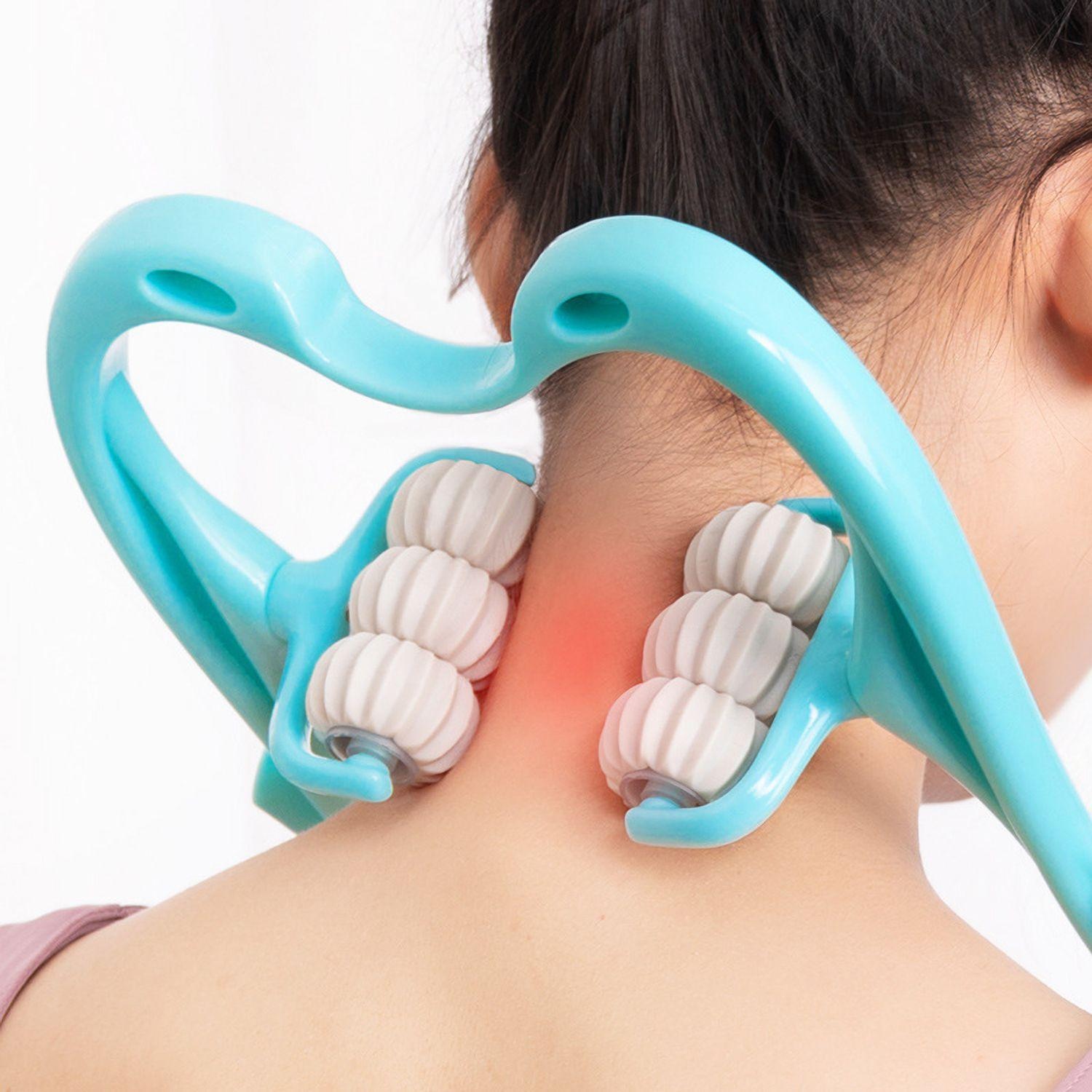
Long-term comfort rarely comes from initial softness alone. Two midsoles can measure identical on a durometer, yet diverge after roughly forty hours of wear. EVA blends with a high compression set often feel plush for the first two weeks, then flatten into an unsupportive layer. Paying attention to rebound resilience, density consistency, and compression set tells you more about how a material will behave in month six than any showroom squeeze.
Mold standards affect where that material support actually lands under the foot. A 2 to 3 millimeter shift in arch radius or metatarsal contour is almost invisible at first try-on, but after a full day of walking it shows up as burning under the forefoot or fatigue along the medial arch. Draft angles, edge radii, and forefoot rocker height also control how much the foot slides inside the shoe. When those tolerances drift, heel lock weakens or toe clearance disappears, and the discomfort tends to appear only after the return window closes.
The real difference comes from matching material behavior to mold geometry rather than chasing a single spec. A high-rebound midsole paired with an overly narrow last can concentrate return energy under the lateral metatarsals, while a plush insole built over an aggressive arch mold can press directly into the plantar fascia. Long-term comfort improves when fatigue-tested hardness curves and pressure-mapped mold peaks are read together, not when either one is optimized in isolation.
What a First Sample Tells You About a Factory’s Real Process
A first sample rarely tells the truth through its polished surfaces. The more useful story is in the small physical marks left behind: how the gate was trimmed on a molded part, whether a weld was ground down to hide spatter, or if screw heads show inconsistent torque patterns. Those details reveal the actual sequence a factory follows when nobody is watching, and they are far more honest than a process flowchart.
If the part arrives looking too clean, that itself is worth questioning. Some factories hand-finish samples to an unrealistic standard, masking the fact that their normal line speed, tool wear, or operator training cannot reproduce the same result. Ask for the setup sheet or watch a short video of the first-off being made; hesitation in sharing those usually points to a gap between the sample bench and the production floor.
There is also a behavioral signal hidden in the sample. When you point out a minor defect, a mature process owner will explain which parameter drifted and how they would correct it. A less stable operation will promise to "fix it" without naming the cause. That difference tells you whether the factory understands its own process or simply knows how to make one acceptable piece for the approval file.
How to Read Compliance Documents Without Getting Buried in Paperwork
Most compliance documents are written as if every clause deserves equal attention, but that is exactly how readers lose hours. Start by pulling out the sections that trigger action, money, or deadlines: payment terms, indemnification, data handling, termination rights, and any language marked as a condition precedent. If a paragraph does not change what you owe, what you risk, or what you can be held liable for, it is probably safe to skim on the first pass.
A simple three-color system keeps the pile manageable. Mark red for anything that could bite you financially or legally, yellow for items that need a decision from someone else, and green for the routine definitions and boilerplate you only revisit if something goes wrong. Then write a one-page note that restates each red and yellow item in plain words, along with the exact section number. That note becomes the working document; the original goes into a folder and stays there unless a dispute forces you back to the precise wording.
Which Pricing and Lead Time Patterns Reveal a Dependable Partner
A supplier that routinely quotes four weeks and delivers in seven isn't just being optimistic. They're showing you how their operation handles capacity, scheduling, and the occasional broken tool. The dependable pattern is rarely the shortest lead time. It's the one that stays steady across different order sizes and repeats without drama. When a quoted range barely moves from one purchase order to the next, that consistency usually reflects a shop floor that understands its constraints instead of pricing to win a deal and hoping the schedule holds.
Pricing tells a similar story, but the useful signal often hides in the details rather than the headline unit cost. A partner worth keeping tends to itemize tooling, setup, and materials in ways that let you see where money goes, and they flag cost shifts before the quote expires. Watch how they handle small changes: dependable suppliers ask about finish, tolerances, or packaging early because those choices affect their process. Less steady partners quote a low number first and discover the extras only after the order is placed.
Lead time behavior under pressure is another honest indicator. A reliable partner admits when a date is at risk and offers options such as partial shipments, alternate materials, or a revised date that can actually be met. They do not promise miracles and then go quiet. Over time, the pattern you want is not perfection but predictability: a pricing structure you can model against, and delivery promises that mean the same thing in March as they do in October.
When a Manufacturer Is Ready to Grow With Your Brand
A manufacturer that can truly grow with your brand doesn't just take orders. They ask questions about your product roadmap, anticipate shifts in your category, and adjust their own capabilities before you even ask. That kind of responsiveness shows up in small ways early on, like suggesting a more cost-effective material for a second production run or flagging a packaging change that cuts freight damage. It feels less like a vendor relationship and more like an extension of your own operations.
The practical signs are usually easy to spot once you know what to look for. They keep spare capacity reserved for long-term partners, give you direct access to their engineering or quality team without layers of account management, and are willing to revisit pricing when volumes climb. More importantly, they bring you ideas that aren't in the original spec, whether that's a redesign of a component to reduce assembly time or a new finish that would set your next model apart. A manufacturer ready to grow with you treats your product line as a shared project, not a series of transactions.
That readiness also means they can handle the unglamorous parts of scaling. When your order jumps from 500 to 5,000 units, they already have the tooling, supplier relationships, and shift planning to keep lead times stable. They won't wait for you to discover a bottleneck and then scramble. Instead, you get a short note before each production cycle letting you know what's been tightened up, what's been improved, and what they're watching. That's the difference between a supplier who merely fulfills orders and one who's genuinely invested in where your brand is going.
FAQ
Look at the details that affect the actual product: how the roller nodes are molded, whether the motor and housing are produced in-house, and how the factory handles raw material storage. Ask to see sample breakdowns or recent inspection records instead of relying on a wall of certificates.
Ask who owns the molds and whether they can change the roller head design internally. Request photos of the injection molding area, silicone overmolding line, and motor testing station with visible batch markings. If they hesitate to show these areas, they are likely outsourcing the core work.
Watch for shared assembly lines making unrelated products, raw materials stored without contamination control, batch codes that do not trace back to production dates, and QC records that look suspiciously perfect. A trustworthy team should be able to explain how they handle roller detachment, uneven pressure, or motor failure.
Put tooling ownership in writing before paying for molds. Use limited-run sample agreements, label CAD files and technical drawings with unique identifiers, and keep critical components separated across suppliers if the design is sensitive. Avoid sending full drawings until the factory has signed a basic NDA.
At minimum, request cycle testing on the roller mechanism, compression and tension tests on the nodes, electrical safety checks for motorized models, skin-contact material testing for latex and phthalates, and drop tests on the housing. For the first bulk order, third-party inspection is worth the extra cost.
A factory makes sense when you need custom tooling, direct engineering feedback, and stable pricing at volume. A trading company can help with mixed SKUs or smaller trial orders, but you should still confirm which factory will actually produce the rollers and verify it independently before committing.
Bring a realistic target cost range, estimated order volume, required certifications for your market, material preferences, and clear examples of the pressure level or roller shape you want. If you have a reference sample, note what to keep and what to change instead of saying make this.
Be straightforward about your initial order size and long-term potential. Ask for open-book pricing on materials and tooling rather than pushing only for a lower unit price. Offering longer lead times or consolidated shipping can open the door to better payment terms or priority production slots.
Conclusion
Finding the right neck massage roller manufacturer starts with verifying that you are dealing with an actual production facility rather than a middleman who simply forwards orders. A genuine factory will openly walk you through mold ownership, material sourcing, and the reasoning behind durometer choices for roller surfaces and handle cores. Ask to see the tooling and how inserts are maintained, because those details have a direct impact on whether the roller feels supportive or overly hard after weeks of use. When the first sample arrives, pay attention to more than dimensions. Sink marks, uneven parting lines, or rushed finishing usually reveal how much care went into temperature control, cycle times, and post-molding cleanup. Also look at how compliance paperwork is organized. A factory that keeps REACH, RoHS, and food-grade silicone certificates current, with traceable batch records, saves you from chasing scattered documents later.
Pricing and lead time patterns often reveal more about reliability than a polished quote. A partner that breaks down tooling, unit cost, packaging, and shipping separately is easier to audit than one hiding everything in a lump sum. Equally telling is whether their timeline accounts for mold trials, material curing, and realistic freight windows instead of promising impossible turnaround. Finally, judge whether the manufacturer can grow with your brand. That means having spare mold capacity, an engineering team that can adjust ergonomic features, and a willingness to revise packaging or add SKUs without restarting the entire relationship. The goal is not a one-time order but a partner who understands that neck massage rollers sit at the intersection of personal care and durable goods, where consistency, safety, and incremental refinement matter more than a low first quote.
Contact Us
Contact Person: Wang Chong Fong
Email: [email protected]
Tel/WhatsApp: 8618926872832
Website: https://www.dgxiangqin.com