

NS3304 Seamless Pipe Supplier Selection Made Simple
2026-11-16
Selecting a reliable NS3304 seamless pipe supplier often feels like navigating a maze of technical specs and conflicting claims. You need a partner who understands the alloy's corrosion resistance and high-temperature performance without the usual guesswork. That's where JILAIDA steps in—simplifying the process so you can focus on your project, not the procurement struggle.
NS3304 Seamless Pipe: What Actually Matters Up Front
Before a single length of NS3304 seamless pipe gets approved, the conversation should start with mill traceability and actual heat chemistry. A certificate that only repeats nominal values tells you very little. Look for controlled carbon content, low silicon, and tight ranges on chromium and molybdenum; that is what separates a pipe that resists pitting in wet chloride service from one that fails early at the heat-affected zone. Ask for the original melt source, not just a stockist re-cert.
Wall thickness variation and ovality get overlooked until the fitter fights the joint. For NS3304, eccentric wall means uneven corrosion allowance and unpredictable pressure ratings, so specify tolerances tighter than the default standard if the application cycles or runs near the design limit. Also check the final anneal and quench record, plus whether the pipe was eddy current tested full length. Surface condition matters too: a rough ID can trap chlorides and invite crevice attack even when the chemistry is right.
Sorting Supplier Claims from Mill Certificates
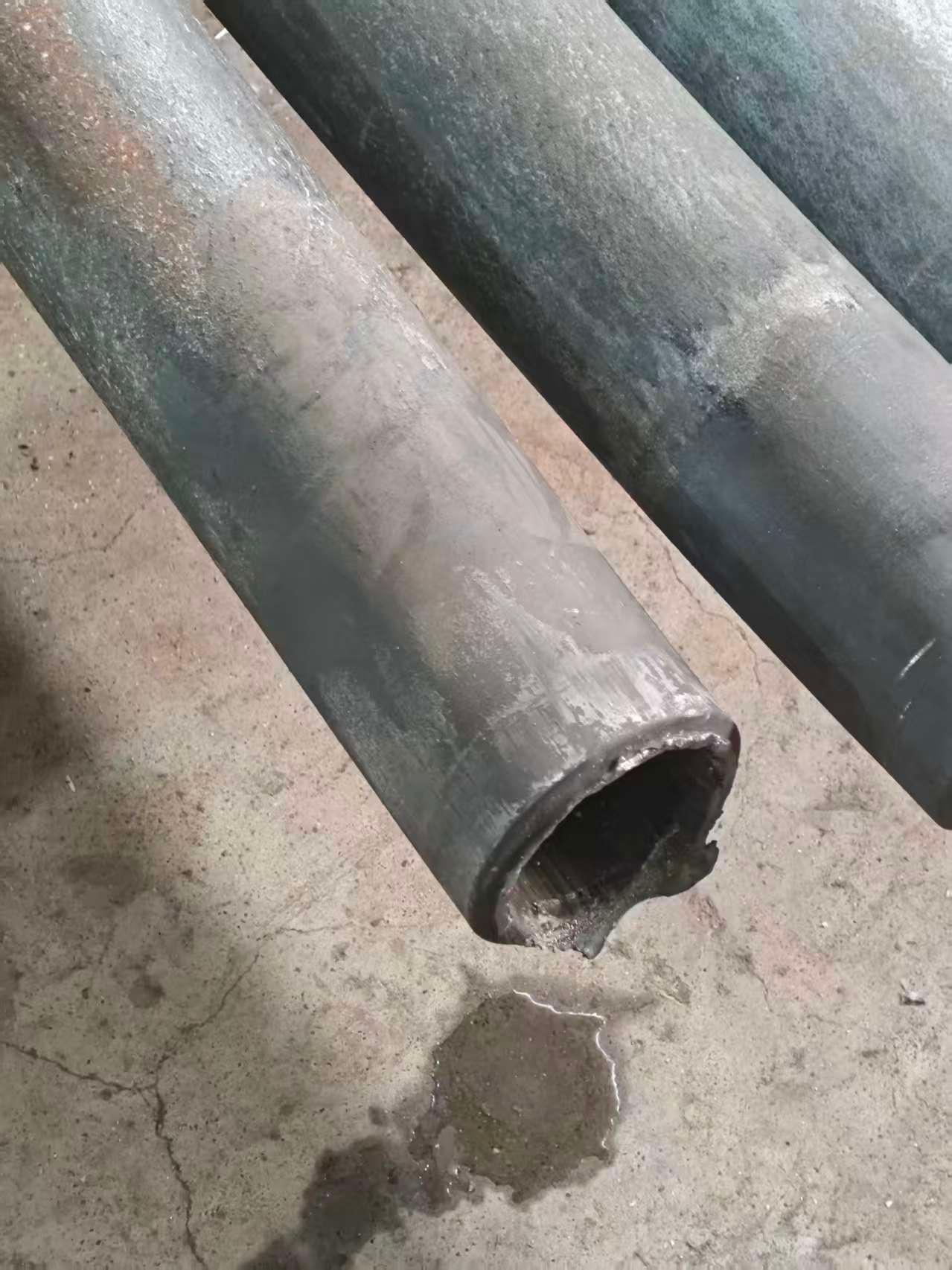
Mill certificates carry a dense mix of traceability data, heat numbers, and mechanical properties, yet supplier claims often drift from what the paperwork actually confirms. Rather than treating the certificate as a single block of truth, break it into checkable layers: the material grade, the origin mill, the test results, and the declared compliance marks. Compare each layer against the supplier's quote or delivery note. A mismatch in a heat number or an absent signature might signal a reused certificate or a substituted batch, and that kind of discrepancy rarely shows up until someone pulls the thread.
A practical way to sort claims is to build a side-by-side verification log. List what the supplier states on the left—thickness, yield strength, coating weight, or standard number—and fill the right side only from the mill certificate's own fields. If the certificate references an older revision of a standard while the supplier promises the latest one, flag it before materials hit the production floor. This process works best when you ignore marketing language like 'premium quality' or 'mill direct' and focus solely on traceable stamps, test dates, and heat-specific results.
Over time, patterns emerge: certain suppliers consistently overstate tolerance ranges, while others hand over certificates with blurred third-party inspection logos. Keeping a short internal note on each certificate's weak points turns sorting from a one-off chore into a repeatable filter. When a new certificate arrives, you are not reading it cold—you know which boxes tend to be missing, which formats hide substitutions, and which supplier phrases deserve a second look before acceptance.
The Questions That Reveal a Supplier's Depth
A supplier’s real competence rarely shows up in a polished catalog. It surfaces in the follow-up questions you ask when the first answers are too easy. Ask them to walk through a recent order that went sideways and explain, step by step, where they caught the problem and what they changed. The ones with depth don’t just describe the fix; they remember the date, the line number, and the name of the operator who flagged it.
Probe for the unwritten rules. How do they handle a sudden 20% overage in raw material cost? What happens when a shipment sits at the port for three extra days? A supplier with real depth will give you their decision tree, not a slogan. Listen for the moment they say “we don’t accept that risk” or “we renegotiate freight terms before the bill lands.” That is where the operational memory lives.
Finally, ask the questions that force a choice. If two customers need the same production slot, who gets it and why? If a quality spec is ambiguous, do they call you or ship anyway? There is no neutral answer. The supplier who pauses, asks for context, and then explains their priority without hedging is showing you the depth that will matter when your order is the one on the line.
Beyond Price: Hidden Costs in NS3304 Orders
Focusing solely on the per-kilo quote for NS3304 often masks the real expenditure. Mill test certificates, intergranular corrosion tests, and ultrasonic inspection are rarely included in the base price, yet they are essential for critical applications. Add to that the cutting allowance: if you order 500 kg but the actual usable pieces weigh 430 kg after removing risers and edge defects, your effective unit cost jumps well beyond the invoice figure.
Another overlooked area is lead-time variability. A supplier without dedicated NS3304 stock may quote a competitive number but then wait for a mill rolling window, pushing delivery from four weeks to twelve. That gap forces buyers to either halt production or pay premium freight for partial shipments. Different heat numbers can also shift machining behavior, meaning your tooling settings need adjustment and scrap rates may climb on the first few pieces.
Compliance and traceability carry their own hidden price tag. If the order must meet NACE MR0175 or require full chemical and mechanical traceability to each plate or bar, expect additional documentation hours, marking, and third-party witnessing. These steps are not optional for many petrochemical or marine projects, but they seldom appear in the initial quotation. Budgeting for them from the start prevents a painful reconciliation at the end of the project.
Delivery Terms That Make or Break Projects
Most projects don’t fail because the product is bad—they fail because nobody agreed on what “delivered” actually means. Incoterms like EXW or DDP look like three-letter formalities until a container gets stuck at a port and the invoice for demurrage shows up. If the contract says delivery is complete at the factory gate, the buyer owns the risk from that moment on: weather, theft, customs delays, even a broken pallet jack. Teams that get this right push for terms that transfer responsibility only when goods arrive where they’re actually needed, not where they happened to be packed.
The language around acceptance and penalties can be just as decisive. A clause allowing “reasonable delays” without a defined cap is basically a blank check to wait. Liquidated damages of one percent per week might sound strict, but if the supplier’s margin is twenty percent, they’ll happily pay and ship late. Pair that with payment milestones tied to delivery rather than installation, and you’ve funded a vendor who has no incentive to finish the job. The contracts that hold up under pressure are the ones where delivery means working, tested, and accepted—not just dropped at the dock.
Building a Supplier Shortlist Without the Guesswork
Shortlisting suppliers often feels like a leap of faith, but it doesn't have to. Start by defining what "good" looks like for your specific project: minimum quality thresholds, delivery windows, compliance needs, and budget ceilings. Write these down as measurable criteria, not vague adjectives. Then pull together a broad list from referrals, trade directories, and past performance records—give yourself enough raw material to compare.
Once you have a long list, run each candidate through a simple scorecard. Assign weights to your criteria based on what actually hurts when it goes wrong. For example, if late deliveries shut down your line, on-time rate gets more weight than price. Score suppliers on evidence, not promises: check references, request sample runs, or look at their last three contracts. Drop any supplier that can't provide proof, even if their pitch sounds great.
Finally, cut the list down to a working set of three to five. Include at least one supplier you're not already comfortable with—new blood keeps incumbents honest. Then test the shortlist on a small order or pilot before committing. The goal isn't to eliminate all risk, but to make your selection process transparent enough that you can defend it later without second-guessing yourself.
FAQ
Start by asking for mill test certificates that match the exact heat treatment and chemical composition for NS3304. If a supplier hesitates to share the full traceability record, cross them off. Then check whether their seamless pipes are actually produced from solid billets rather than welded and re-drawn, because some lower-cost sources blur that line.
Look for evidence of in-house or closely managed processing, such as cold pilgering, bright annealing, and straightening. Resellers often cannot tell you the original billet source or the precise reduction ratio. A dependable supplier can explain how the pipe achieved its grain size and why the surface finish looks the way it does.
At minimum, request chemical analysis, full-length ultrasonic testing or eddy current testing, intergranular corrosion testing per the relevant standard, and a positive material identification check. If the pipe will operate above 800°C, also ask for high-temperature tensile data rather than assuming room-temperature results will hold.
Yes, because NS3304 is not a commodity stainless steel. Cheaper offers often come from non-certified rerollers or from pipes with loose dimensional tolerances. A low initial price can disappear quickly through machining rejects, premature oxidation, or unplanned shutdowns, so compare the total cost of ownership, not just the per-meter rate.
Ask a simple technical question: what solution annealing temperature and cooling method do they use for NS3304, and why? If they cannot answer clearly or give a generic range, they likely rely on third-party descriptions. Suppliers who know the alloy will also warn you about sensitization risks and proper post-weld cleaning.
For non-standard dimensions, six to ten weeks is common if the supplier holds suitable billets. If someone promises the same custom size in two weeks, be suspicious unless they already have the exact pipe in verified inventory. Rush orders often skip full testing or get substituted with a close-but-not-identical grade.
Yes. Quality-focused suppliers apply durable, low-chloride markings, separate pipes with non-metallic spacers, and protect beveled ends from damage. If pipes arrive with smeared stencil marks, mixed bundle tags, or rust-stained wrappings, that points to careless handling, which can hide surface contamination or mixed grades.
Conclusion
Selecting an NS3304 seamless pipe supplier often gets bogged down in spec sheets and sales talk, but the real upfront work is simpler than most buyers think. Before comparing quotes, pin down what actually matters: the precise chemical composition range, the required heat treatment condition, and whether the mill can document every heat with a full traceable certificate. Many suppliers advertise the alloy, but few can show consistent mechanical properties across multiple production lots. Ask for raw mill certificates, not just summary PDFs, and check whether the values sit comfortably within ASTM or ASME limits rather than hugging the borderline. That first filter alone eliminates suppliers who are merely reselling stock without technical ownership.
Once the paperwork clears, shift attention to how a supplier behaves under pressure. Ask pointed questions about their melting source, their non-destructive testing capabilities, and how they handle a rejection if a batch falls short. Hidden costs surface quickly: cutting charges, end finishing, random length penalties, inland freight, and export packing all vary widely. Delivery terms deserve equal scrutiny—lead times quoted in weeks often stretch once mill scheduling, inspection hold points, and port congestion enter the picture. A reliable supplier will commit to a realistic range and explain what could move it. To build a shortlist without guesswork, weight mill relationships, inventory depth, and willingness to share past performance data over slick brochures. Two or three honest conversations reveal more than a dozen polished quotations.
Contact Us
Contact Person: Chenji Li
Email: 521 Zhonghui Road, Huishan Economic Development Zone
Tel/WhatsApp: +86 83112233
Website: https://www.jldnickelalloy.com/