

Red Light Therapy: Which One is Good for You?
2026-06-11
Red light therapy is everywhere these days, but with so many devices flooding the market, finding the one that truly fits your needs can feel overwhelming. You might ask yourself: which wavelength actually works? Is it safe for daily use? And does the brand behind it matter? Here’s where it gets interesting—not all devices are created equal, and the difference often comes down to quality and expertise. That’s why we turned to GUANG TAI, a name synonymous with reliable, science-backed red light solutions. In this post, we’ll break down what to look for and why the right choice can transform your wellness routine.
The Science Behind the Glow: How Red Light Therapy Actually Works
At the cellular level, red light therapy works by targeting the mitochondria—the power plants inside your cells. Specific wavelengths, typically in the 600–900 nanometer range, are absorbed by cytochrome c oxidase, a key enzyme in the mitochondrial respiratory chain. This interaction boosts the production of adenosine triphosphate (ATP), the molecule that fuels nearly every cellular process. More ATP means cells have the energy to repair, regenerate, and perform at their best, which is why consistent use often leads to cumulative benefits.
Beyond the immediate energy surge, this light-induced stimulation sets off a cascade of secondary effects. Nitric oxide, a molecule that can inhibit respiration, is displaced from the mitochondria, improving oxygen utilization and blood flow. Enhanced circulation delivers nutrients and removes waste more efficiently, while signaling pathways that control inflammation and antioxidant defenses get a gentle nudge. The result is a balanced inflammatory response that helps tissues heal without suppressing the immune system—a crucial distinction from anti-inflammatory drugs.
What makes this process particularly fascinating is how it mirrors natural biological rhythms. Your body is already wired to respond to light—think of how sunlight cues hormone production and sleep cycles. Red light therapy borrows from this same playbook, using non-thermal photons to trigger photobiomodulation. Unlike the UV-driven damage that causes photoaging, these gentle wavelengths slip past the skin’s surface without harm, reaching deep enough to influence muscle, nerve, and connective tissue. It’s less about adding something foreign and more about reminding your cells how to function optimally.
From Wrinkles to Workouts: What Red Light Therapy Can Do for You
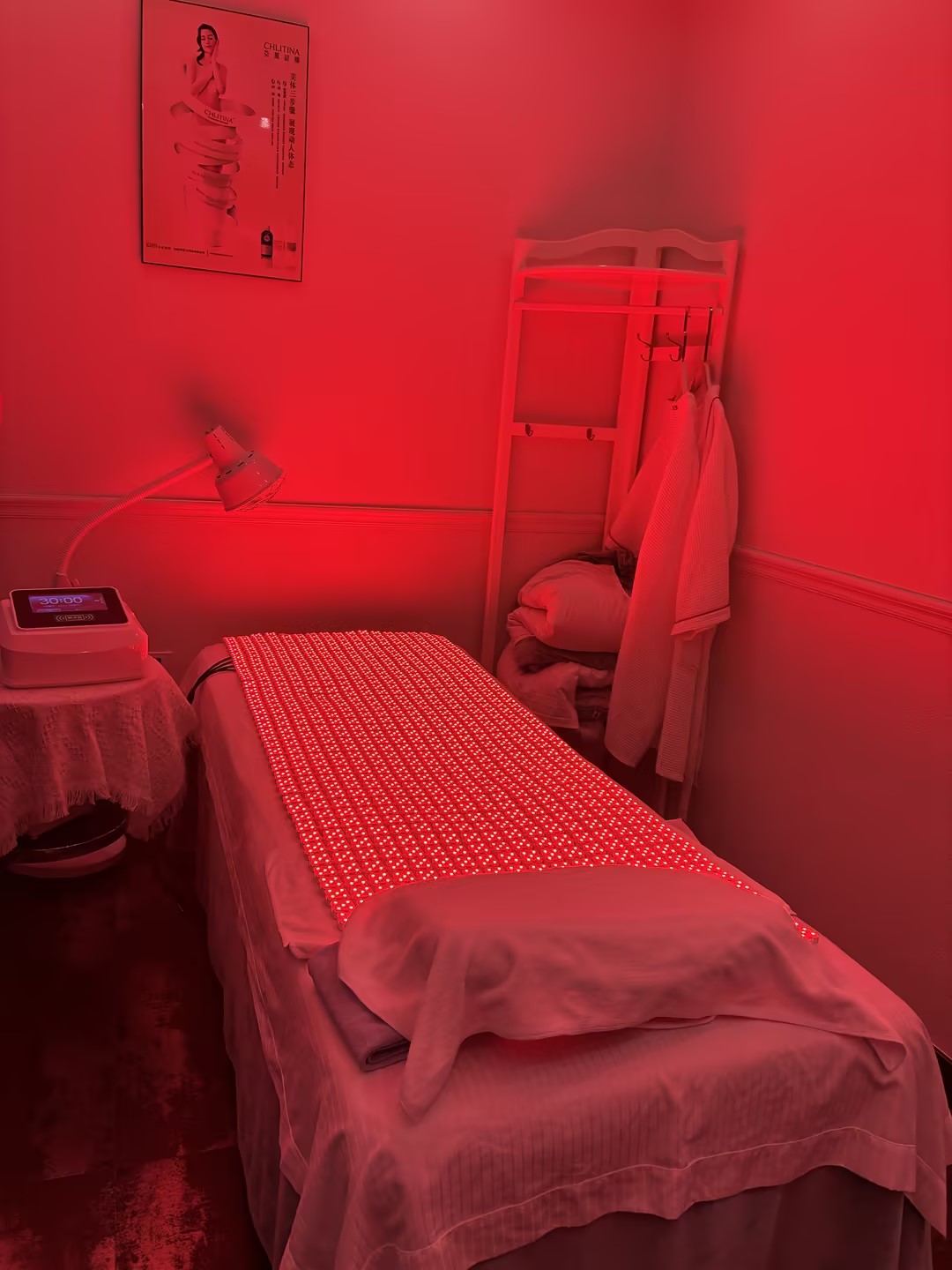
It's easy to think of red light therapy as just another anti-aging trick, and sure, it earns its reputation with smoother, firmer skin. The light dives into your cells, nudging them to churn out more collagen and elastin—the stuff that keeps your face looking like you actually slept eight hours. Over time, those fine lines around the eyes soften, and the overall texture feels less like a roadmap and more like a clean slate.
But the magic doesn't stop at the surface. People are discovering that regular sessions can make muscles bounce back faster after a brutal workout. The light boosts circulation and calms inflammation, so the soreness that usually sidelines you for days fades quicker. It's like giving your body a quiet signal to repair itself, letting you get back to the gym or the pavement without feeling like you've been hit by a truck.
What really surprises many is how this one habit can sneak into so many corners of daily life. Besides the cosmetic perks and recovery benefits, some find their sleep deepens, or their joint stiffness eases, making morning walks feel less creaky. It's not a miracle, but it's a remarkably versatile tool—gentle enough for a nightly self-care routine and powerful enough to reshape how you age and move. You just sit there, bathed in a warm glow, while your body does the heavy lifting.
Panel vs. Mask vs. Wand: Picking Your Red Light Companion
Choosing between a panel, mask, or wand for red light therapy comes down to how you like to integrate the treatment into your routine. Panels are the powerhouses—designed to cover large areas like your back or legs in one go, but they demand a dedicated space and a bit of setup time. Masks offer a hands‑free, more targeted facial experience, making multitasking during a session a breeze. Wands, on the other hand, are the portable problem‑solvers, perfect for honing in on small spots like the corners of your nose or a stubborn fine line. Each format has its own rhythm of use, and aligning that with your daily habits is the real trick.
Think about the experience you actually want. A mask wraps your face in light, often feeling like a spa ritual you can sink into while listening to a podcast. A panel can feel more clinical, as you stand or sit at a specific distance, but the payoff is whole‑body coverage and often stronger irradiance. A wand puts you in the driver’s seat, guiding the light with your own hand—it’s intimate, almost like a targeted facial massage. The choice isn’t just about specs; it’s about what feels sustainable and even enjoyable in the long run, because consistency is where the real results live.
Portability and storage are the silent deal‑breakers no one talks about enough. A panel might boast high output, but if you have to haul it out of a closet and rearrange your bathroom every time, you’ll start skipping sessions. Masks collapse flat or hang neatly, but they’re usually for your face only. Wands slip into a drawer or a travel bag, making them a discreet option for frequent travelers or anyone who likes to keep their routine under wraps. Match the device to your lifestyle, not the other way around, and you’ll find yourself sticking with it without the mental friction.
Decoding the Specs: What Wavelength and Power Mean for Your Skin
When you're browsing at-home skin devices, two numbers keep popping up: wavelength and power. Wavelength, measured in nanometers, dictates how far beneath the surface your device can actually reach. Shorter wavelengths treat the top layer, tackling issues like surface pigmentation, while longer ones dive deeper to stimulate collagen or target hair follicles. It’s not about picking the highest or lowest number—it’s about matching the wavelength to the job you want done.
Power, often listed in milliwatts or watts, tells you how much energy is being pushed through that light. More power usually translates to faster sessions, but it also raises the stakes. A device that’s too intense for your skin tone or sensitivity can leave you with unnecessary redness or worse. Think of it as the throttle: gentle and steady often wins over brute force, especially if you’re treating delicate areas.
The real magic happens when wavelength and power sync up. A long wavelength with weak power might be too sluggish to ever show results, while short wavelength with high power can feel harsh. The best devices find a sweet spot—delivering enough energy to your target depth without overwhelming your skin’s comfort zone. Once you start reading specs this way, you’ll see why some gadgets feel like toys and others seriously earn their keep.
Home Use Essentials: Getting the Most from Your Sessions
It’s tempting to jump right in, but a little prep work makes all the difference. Clean skin free of lotions and makeup allows the treatment to work without any barriers, so give your face a gentle wash and pat it dry. If you’re using a device that warms up, let it reach its optimal temperature before starting. A comfortable spot where you can relax for the full duration helps too—think of it as a mini ritual rather than a rushed task.
Staying consistent is where many people stumble, but even short, regular sessions beat sporadic marathon uses. Most devices work best when used multiple times a week over several weeks, gradually building up results. Don’t get discouraged if you don’t see overnight changes; tissue remodeling and collagen production take time. Pairing your session with a calming activity, like listening to a podcast or deep breathing, not only makes it more enjoyable but also reinforces the habit.
Aftercare can amplify what you’ve just done. A simple moisturizer or a cooling gel soothes the skin and locks in hydration, while skipping harsh actives like retinols right after prevents irritation. Pay attention to how your skin feels—some redness is normal, but dialing back intensity if you’re uncomfortable ensures you stay on track. Over time, you’ll learn to read your skin’s signals and tweak the routine to fit your needs perfectly.
Common Pitfalls and How to Avoid Them When Starting Out
Many beginners fall into the trap of trying to learn everything at once, jumping from one tutorial to another without truly understanding the fundamentals. This often leads to burnout and a shallow grasp of concepts. Instead, focus on one core skill at a time—practice it until you can apply it without constantly referring back to guides. Patience early on pays off massively down the line.
Another common mistake is comparing your progress to others who seem to be advancing faster. This not only breeds frustration but also skews your perception of what normal learning looks like. Remember that everyone's journey is different, and visible highlights rarely show the struggles behind the scenes. Set personal milestones based on your own goals, not someone else's highlight reel.
A subtle yet damaging pitfall is avoiding projects that feel too messy or intimidating. Sticking only to neat exercises can create a false sense of competence. To truly grow, embrace small, real-world challenges that force you to problem-solve and make mistakes. The messy process of fixing those mistakes is where deep learning happens.
FAQ
Red light therapy uses specific wavelengths of light, typically in the 600–700 nanometer range, to penetrate the skin and interact with mitochondria. This stimulates the production of adenosine triphosphate, or ATP, which essentially gives your cells more energy to repair and regenerate. It's like charging your body's battery at the microscopic level, which can lead to reduced inflammation, faster healing, and improved skin texture over time.
Start by defining your primary goal. If you're targeting full-body benefits like muscle recovery or general inflammation, a large panel offers broad coverage. For facial concerns like fine lines or acne, a mask or handheld wand might be more practical. Consider power output too – higher irradiance means shorter treatment times, but it also requires more caution. Also think about convenience: will you actually use a device that requires you to sit still for 20 minutes, or do you need something portable?
They vary enormously. The key specs to examine are wavelength accuracy, power density, and build quality. Cheaper devices might use LEDs that emit a broader spectrum, meaning less therapeutic light reaches your cells. Look for devices that specify narrow wavelength bands, like 660nm and 850nm, and have independent lab testing. Medical-grade devices are built to deliver consistent dosing, which is crucial if you're addressing a specific issue like joint pain.
Many people find it helpful for inflammatory skin conditions because of its anti-inflammatory effects. However, it's not a one-size-fits-all solution. For rosacea, you might need to start with very short sessions and lower intensity to avoid triggering a flare. With psoriasis, the light can soothe itching and reduce redness, but it may not clear plaques entirely. Always patch-test and consult a dermatologist familiar with light therapy, especially if you're using prescription topicals or are on photosensitizing medications.
Dosage is a combination of light intensity, distance from the device, and duration. Most home devices come with guidelines, but a general rule is to aim for a dose of 3–15 joules per square centimeter per session, depending on the area. Start low and slow – maybe 3–5 minutes every other day – and observe how your body responds. Overdoing it can lead to temporary redness or irritation. Using a device with adjustable intensity gives you more control to find your sweet spot.
The main risks are eye damage if you don't use proper protection, and potential overheating of the device itself if it lacks a cooling system. Some people report mild headaches or eye strain if they stare directly at the lights, so quality goggles are a must. Also, if you have a history of skin cancer or are taking drugs that increase light sensitivity, red light could be problematic. Check the device's safety certifications and opt for one that's FDA-cleared, which at least means it's been reviewed for basic safety.
Conclusion
Red light therapy might seem like a simple trend, but its foundations run deep in cellular biology. When specific wavelengths of red and near-infrared light penetrate your skin, they energize mitochondria, boosting ATP production and helping cells repair and renew themselves. This isn't just about easing wrinkles—though smoother, firmer skin is a welcome perk. The therapy's reach extends to easing muscle soreness after workouts, calming inflammation, and even supporting hair growth. The key to getting these results isn't just turning on a device; it's about finding the right tool for your lifestyle. If you need full-body recovery, a panel with broader coverage could be your best bet. For targeted facial care, a mask feels almost spa-like, while a wand lets you zero in on a single nagging joint. Your choice shapes how consistently you'll use it, and consistency is where real change happens.
Beyond the type of device, the numbers matter more than you might think. Wavelengths in the 630–660 nm range work closest to the surface, ideal for skin texture and collagen, while 810–850 nm penetrates deeper to soothe muscles and joints. Power density—often labeled as irradiance—decides how quickly you absorb a meaningful dose, so a weaker device just means longer sessions. At home, it's tempting to ramp up duration thinking more is better, but that's a fast track to plateauing or even skin irritation. Stick with the maker's guidelines, keep your skin clean and free of heavy creams, and track your progress without obsessing. Beginners often go too hard or hop between devices, hoping for overnight miracles. Instead, treat each session as a steady signal your body learns to interpret. The therapy that's truly good for you isn't the priciest or most hyped—it's the one that matches your main concern, fits into your routine without friction, and uses verified specs rather than flashy claims.
Contact Us
Contact Person: Leon Yi
Email: [email protected]
Tel/WhatsApp: +86 17363316873
Website: https://zzgt.en.alibaba.com/