
Rubber Tire Tread Cooling Production Line Vendor: How to Choose the Right Partner
2026-11-16
Every extra minute a rubber tread spends cooling is throughput you never get back. Yet too many tire plants treat the cooling line as an afterthought—until warped treads, inconsistent dimensions, or hidden energy waste start eating into margins. That’s when the vendor question stops being a checkbox and becomes the difference between a line that runs and one that runs profitably. Choosing the right partner means looking beyond glossy brochures and upfront pricing: you need a supplier who understands thermal transfer, line speed, layout constraints, and the daily realities of rubber compounding. AUGU AUTOMATION has built its reputation by engineering cooling solutions that fit the tread process rather than forcing a standard design onto it. In this post, we’ll break down what actually matters when evaluating a rubber tire tread cooling production line vendor—and how to avoid the costly mistakes that often surface only after startup.
Map Your Production Targets and Space Constraints First
Before moving a single piece of equipment, get brutally clear on what you actually need to produce. That means breaking down your daily or shift-level output targets into real numbers: how many units pass through each workstation, how much raw material sits at the line, and how often finished goods leave the floor. A target like 480 assemblies per shift isn't just a goal—it tells you how many active stations you need, how wide your staging areas must be, and whether one dock door is enough. Skip this step and every downstream layout choice becomes guesswork dressed up as planning.
Once the production math is settled, map the physical envelope with the same rigor. Mark column lines, ceiling clearances, door widths, and floor load ratings on one clean drawing. Then overlay your targets onto those constraints: a high-volume line won't squeeze through a 90-inch receiving door, and a vertical storage system needs more overhead room than a standard pallet rack. Think of square footage as a budget you spend on purpose—every aisle, buffer zone, and maintenance path has to earn its place. When space and targets are mapped together early, you stop fighting the building and start using it.
Ask for Operating Data, Not Just Equipment Specs
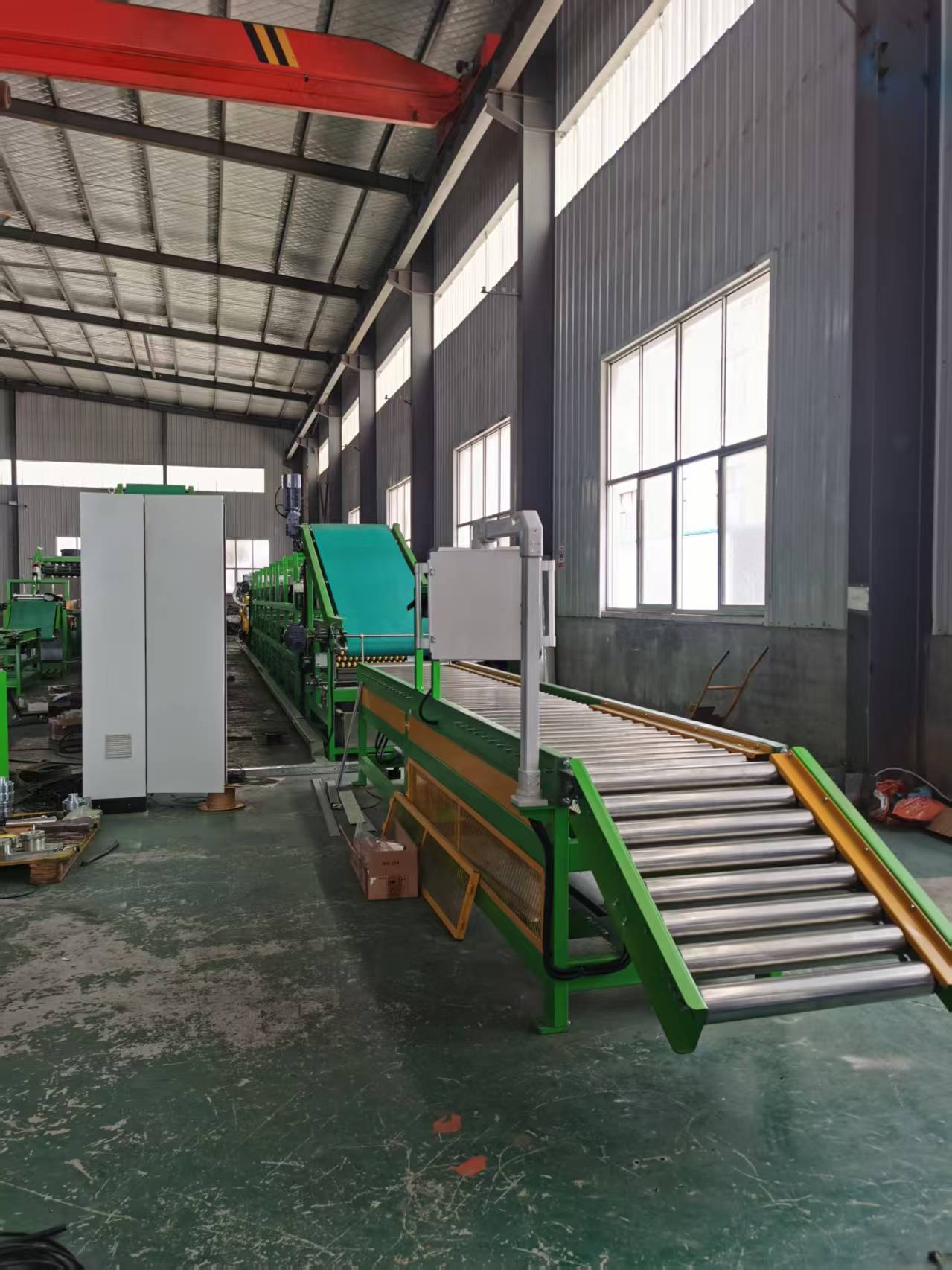
When evaluating industrial equipment, many buyers fixate on catalog specifications like horsepower, flow rate, or tank volume. Those numbers matter, but they rarely reveal how a machine behaves after six months of daily use. Instead of asking only about maximum output, ask for operating data: energy consumption per cycle, unplanned downtime hours, maintenance intervals, and real-world throughput under typical load. A spec sheet tells you what a machine was designed to do. Operating data tells you what it actually does on your floor, with your operators, and under your facility's conditions.
Suppliers often resist sharing detailed operating logs because raw numbers can expose weak points that glossy brochures hide. But when you request normal operating data—like vibration signatures, temperature drift, or hydraulic pressure variance—you shift the conversation from sales talk to engineering reality. Ask for data collected over at least ninety days, not just a single demo run. Compare those numbers across two or three candidates, and suddenly the “identical” machines separate themselves. One might show 12% higher energy use per unit produced. Another might require twice as many filter changes. Those differences don't appear on a spec sheet, but they will dominate your total cost of ownership.
A practical approach is to ask the vendor to walk you through their data historian or condition monitoring dashboard during a site visit. Request a blind sample: pick three random days from last quarter and ask for the raw sensor exports. If a supplier refuses or can only provide marketing summaries, that's a signal in itself. Machines that are truly well-designed and well-maintained generate clean, consistent operating data, and their manufacturers are usually proud to share it. Equipment specs get you in the door. Operating data keeps you from buying a door that jams every Tuesday.
Probe Experience with Similar Tread Compounds and Line Speeds
When you start running probe batches with compounds that look nearly identical on paper, the line speed quickly stops being a background setting. Two tread formulations, both based on a similar polymer blend and filler system, can react very differently to a 2 m/min change. One starts to tear at the die lip; the other just gets a slightly glossier surface. That gap rarely shows up in lab rheology data.
What tends to matter more is how quickly the compound relaxes after leaving the die. At 18 m/min, a high-structure carbon black variant held its shape without any edge waviness. Bumping the same run to 21 m/min produced a subtle ripple and a 4% drop in gauge. We have also seen cases where the softer of two similar treads actually handled higher speeds better, because its slightly higher oil content reduced die swell enough to offset the extra shear.
So the practical rule from these probe runs is fairly simple: do not carry over line speeds from one tread compound to another just because the recipe families overlap. A short three-speed trial on a single extrusion line reveals more than a full day of lab testing. It costs a little runway time, but it prevents a lot of scrap at the calender or the tire building stage.
Inspect Cooling Water Management and Temperature Uniformity Claims
A proper inspection starts with flow meters and pressure gauges on each circuit, not with the chiller's display panel. Walk the line and record return temperatures manually—many claims fall apart when you find a 3°C gap between the design spec and the actual loop because filters haven't been cleaned or a balancing valve was left half-shut.
Temperature uniformity is best checked with thermocouples placed at several points across the mold face or part surface, not by sampling the cooling water alone. Look for differences between edge and center readings; a well-managed system should hold within 2–3°C, but poorly distributed flow can easily push that past 6°C even when the supply temperature looks stable.
If the numbers don't match the claim, trace the issue back to the last maintenance log. Scale buildup, trapped air, or a bypass left open are more common causes than undersized chillers. Recalibrating sensors and cleaning strainers often restores the uniformity without replacing major equipment.
Confirm Commissioning, Operator Training, and Spare Parts Response
The real test of equipment readiness isn't a signed checklist—it's how smoothly the system behaves when handed to the people who will run it every day. Confirming commissioning goes beyond voltage checks and loop tuning; it means watching operators interact with the machinery under realistic load, noting where they hesitate or work around a control they don't fully trust. Operator training should be structured around those observed friction points, not a generic slide deck, so that each session feels less like a vendor obligation and more like a targeted handover of operating instincts.
Spare parts response deserves the same scrutiny. A warehouse shelf full of parts means little if the critical wear item isn't there, or if the ordering path for an emergency replacement takes three phone calls and a manager's approval. During the commissioning window, simulate a parts failure—ask the team to locate the correct replacement, verify its revision matches the installed unit, and time the request-to-dispatch cycle. This practice run often reveals gaps that no inventory report will show, and it turns a vague promise of support into a measurable, repeatable response.
Weigh Energy Use, Maintenance Hours, and Long-Term Flexibility
Choosing between competing systems often comes down to three numbers: how much power they draw, how many hours of upkeep they demand, and how easily they can bend to future needs. A unit with lower energy use might seem like the clear winner on paper, but if it needs twice the maintenance or locks you into a rigid configuration, the initial savings evaporate. The real challenge is figuring out which trade-off hurts least over a five- or ten-year horizon.
Maintenance hours are the silent budget killer. A system that sips electricity but requires a technician every month disrupts operations and adds labor costs that rarely show up in the upfront comparison. Meanwhile, long-term flexibility means asking whether you can add capacity, swap components, or integrate new tools without ripping everything out. If a supposedly efficient option forces a full replacement when needs shift, its true cost is far higher than the spec sheet suggests.
The smart move is to model scenarios rather than chase a single metric. Estimate your likely growth, check how often similar setups need service in real-world conditions, and then compare total cost of ownership over the intended lifespan. Sometimes a slightly hungrier machine with modular parts and a proven reliability record ends up being the leaner choice once you factor in downtime and adaption expenses.
FAQ
Check whether they have actually supplied lines for similar tread profiles and production speeds. Ask for references from plants running comparable compounds. A vendor with hands-on experience in your specific rubber compound will save you weeks of trial and error.
It depends on throughput and space. Immersion cooling tanks handle high-speed lines well, but spray cooling gives better control over surface finish and reduces water carryover. Ask the vendor to run a simulation with your exact tread dimensions before deciding.
Very important. Off-the-shelf systems rarely account for your line layout, ceiling height, or existing conveyor speeds. A good partner will modify tank length, nozzle placement, and even the control logic to match your extrusion rate rather than forcing you to adapt.
Look for a vendor that offers on-site commissioning, operator training in your language, and spare parts stocked within your region. Avoid companies that only provide a manual and a phone number. Ask how long they typically take to dispatch a technician for urgent downtime.
Compare water recirculation rates, pump sizing, and chiller integration. A well-designed line reuses chilled water and automatically slows fans during low production periods. Request actual utility consumption data from a running installation, not brochure numbers.
One frequent issue is underestimating condensate drainage and humidity control around the cooling section. A responsible vendor will inspect your plant layout, check air flow, and adjust the extraction system before installation. This prevents tread defects like surface blisters later.
Think beyond the quote. A cheaper line with undersized pumps or thin stainless steel tanks will cost more in downtime and corrosion repairs within two years. Compare three-year total cost including energy, water treatment, and expected maintenance labor.
Visit their workshop if possible. Look at welding quality on tanks, whether they test control panels before shipping, and how they handle documentation like P&ID and electrical schematics. Ask for a factory acceptance test report from recent projects.
Conclusion
Choosing the right cooling line vendor starts well before you receive a quote. Map out your production targets and available floor space first, including any awkward column positions or clearance issues that will shape the line layout. Once you have that picture, press vendors for operating data rather than glossy equipment specs. Real throughput, temperature stability at full load, and rejection rates from past installations tell you far more than belt width or fan count. You also want direct evidence of work with similar tread compounds and line speeds, because cooling behaviour changes sharply with compound tack, thickness, and extrusion output. Generic conveyor experience is not enough. Pay close attention to cooling water management and temperature uniformity claims; ask how spray volumes are balanced across the belt, how water is filtered and recirculated, and whether they can prove tight side-to-side temperature variation.
After the technical review, look at the vendor's behaviour around installation and support. Confirm exactly what commissioning includes, how operators are trained on real problems such as belt tracking or nozzle clogging, and what spare parts response looks like for critical pumps and nozzles. Ask for reference plants with similar shift patterns, not just happy customers from a different industry. Finally, weigh energy use, scheduled maintenance hours, and long-term flexibility. A line that cannot be retuned for a new tread profile or a higher output target will quietly limit your factory for years. Favour the supplier who asks about your compounds, ambient temperatures, and operator skill level over the one who simply lists standard modules. That kind of partner will help you avoid expensive cooling bottlenecks later.
Contact Us
Contact Person: Lareina
Email: [email protected]
Tel/WhatsApp: +86 17561696737
Website: https://www.auguauto.com/