

Solar Agriculture Suppliers in China: A Comprehensive Guide to Sustainable Farming Solutions
2026-04-05
In an era where sustainability is no longer a luxury but a necessity, the agricultural sector stands at a pivotal crossroads. As a global leader in renewable energy solutions, China has pioneered innovative approaches to integrate solar power into farming, transforming traditional practices into eco-friendly, efficient systems. This comprehensive guide delves into the world of solar agriculture suppliers in China, offering insights into cutting-edge technologies, practical applications, and the broader impact on sustainable farming. Whether you're a farmer, an industry professional, or simply passionate about green innovations, this blog will illuminate the path toward a brighter, greener future. Discover how companies like Topfencesolar are revolutionizing the landscape by merging solar energy with agricultural needs, creating solutions that not only boost productivity but also protect our planet. Get ready to explore the tools, trends, and success stories shaping the next generation of farming—because when the sun shines on our fields, the possibilities are endless.
The Rise of Solar-Powered Greenhouses in China's Agricultural Landscape
In recent years, China has seen a fascinating shift in its agricultural sector, with solar-powered greenhouses emerging as a key innovation. These structures combine traditional greenhouse farming with photovoltaic technology, allowing farmers to generate clean energy while growing crops. Initially adopted in northern regions like Shandong and Hebei, where sunlight is abundant, they've quickly spread nationwide, driven by government incentives and a push for sustainability. Unlike conventional greenhouses, which rely on external power sources, these installations often produce enough electricity to power irrigation systems, lighting, and climate controls, reducing operational costs and carbon footprints. This dual-purpose approach not only boosts crop yields year-round but also aligns with China's broader goals to modernize agriculture and combat climate change.
What sets these solar greenhouses apart is their adaptability to diverse local conditions, from arid deserts in Xinjiang to humid coastal areas in Fujian. Farmers are experimenting with integrated designs, such as semi-transparent solar panels that let in optimal light for plants while generating power, or vertical installations on greenhouse roofs that don't interfere with cultivation. In practice, this has led to a surge in high-value crops like berries, herbs, and vegetables, which thrive in controlled environments. The technology's rise isn't just about efficiency; it's reshaping rural economies by creating new jobs in installation and maintenance, and empowering smallholders to become energy producers. Stories from villages in Yunnan, for instance, highlight how solar greenhouses have doubled incomes by enabling off-season farming and selling excess electricity back to the grid.
Looking ahead, the growth of solar-powered greenfaces promises to overcome challenges in China's food security and environmental management. Innovations in energy storage, such as coupling with batteries, are making these systems more reliable during cloudy days or at night. While initial costs can be high, falling solar panel prices and targeted subsidies are making adoption more accessible. As this trend gains momentum, it's not just transforming landscapes—it's fostering a greener, more resilient agricultural future, where farms contribute to both food production and renewable energy targets without compromising on quality or scale.
Key Chinese Suppliers of Solar Irrigation Systems for Modern Farms
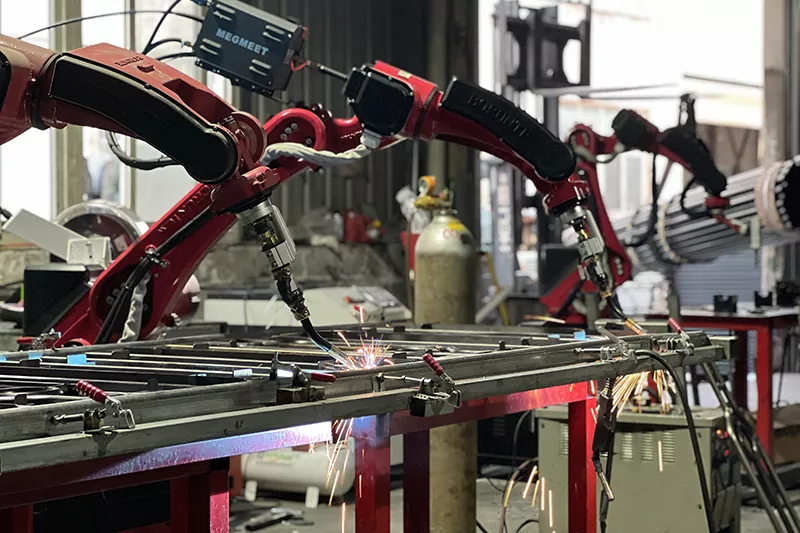
Chinese suppliers are emerging as pivotal players in the global market for solar irrigation systems, bringing innovative technology tailored to the demands of modern farms. Companies like Trina Solar and JA Solar, known for their advancements in photovoltaic technology, have expanded into integrated solar irrigation solutions. Their systems not only harness solar energy efficiently but also incorporate smart controls to optimize water usage, addressing critical issues such as drought resilience and sustainability. These suppliers often collaborate with international partners to adapt their products for diverse agricultural environments, ensuring reliability and scalability for farmers worldwide.
Beyond major corporations, smaller specialized firms, such as Suzhou GCL System Integration Technology and Shenzhen Sungrow Power Supply, are gaining attention for their flexible and cost-effective offerings. These companies focus on developing modular systems that can be easily customized for varying farm sizes and crop types, from small-scale organic plots to large commercial ventures. By emphasizing user-friendly interfaces and low-maintenance designs, they enable farmers to adopt solar irrigation with minimal technical expertise. This approach not only boosts adoption rates but also enhances overall productivity and resource conservation in the agricultural sector.
In recent years, Chinese suppliers have also prioritized research and development to stay ahead in a competitive market, integrating features like IoT connectivity and data analytics into their solar irrigation systems. This allows farmers to monitor and adjust irrigation schedules remotely, leveraging real-time weather data to prevent overwatering and reduce energy waste. Such technological leaps position these suppliers as leaders in promoting green farming practices globally. As they continue to innovate, their contributions are helping shape a more sustainable future for agriculture, making solar irrigation an accessible and effective solution for farms worldwide.
Innovations in Solar-Powered Pest Control and Crop Management Tools
Recent advances in solar-powered pest control and crop management tools have revolutionized agricultural practices by harnessing the sun's energy to create sustainable, off-grid solutions. These innovations include solar-powered insect traps that use UV lights and pheromones to target specific pests without harming beneficial insects, reducing the need for chemical pesticides. Additionally, companies like Agrosolar are developing autonomous drones that recharge via solar panels, enabling them to monitor crop health and apply precision treatments, all powered by renewable energy sources.
Another breakthrough in this field is the integration of solar-powered irrigation systems with smart sensors, which optimize water usage based on real-time soil moisture data. This not only conserves water but also prevents over-irrigation that can lead to pest infestations. Tools like the SunGrow system combine solar energy, AI algorithms, and sensor networks to predict pest outbreaks and adjust control measures dynamically, making farming more efficient and eco-friendly.
Beyond pest control, solar-powered tools are enhancing overall crop management through innovations like solar-charged data loggers that track environmental conditions, helping farmers make informed decisions. These devices reduce reliance on fossil fuels and lower operational costs, while their scalability allows adaptation to both small-scale and large-scale farms. As technology evolves, such tools are setting new standards for sustainability in agriculture, empowering farmers with resilient, cost-effective options that benefit both productivity and the planet.
Integrating Solar Technologies with Traditional Farming Practices in China
Across China's vast agricultural landscapes, a quiet revolution is unfolding as solar panels are being integrated into traditional farming practices. This innovative approach, often termed agrivoltaics or solar farming, involves installing photovoltaic arrays on farmland in ways that allow crops to thrive underneath or alongside them. By utilizing land for dual purposes—energy production and food cultivation—farmers can boost their incomes through electricity sales while continuing to grow staple crops like rice, wheat, or vegetables. In regions such as Shandong and Henan, pilot projects have shown that these setups can reduce water evaporation and provide shade, potentially enhancing crop resilience in the face of climate challenges.
One of the key advantages of this integration is the optimization of rural space, addressing both energy needs and food security. Instead of clearing fields solely for solar farms, which could threaten arable land, this method preserves agricultural productivity. Solar panels are mounted at elevated heights or in spaced rows to ensure adequate sunlight reaches the plants, with designs tailored to local conditions. For instance, in arid areas, the shading effect can lower soil temperatures and decrease irrigation requirements, leading to more sustainable water use. This synergy not only supports China's renewable energy goals, aiming to reach carbon neutrality by 2060, but also helps farmers diversify their revenue streams, making rural economies more resilient.
Despite the benefits, challenges remain in scaling up this practice, such as higher initial costs and the need for customized agricultural techniques. However, with government incentives and growing technological advancements, more farmers are adopting these systems. Stories from communities in provinces like Gansu highlight how solar-powered irrigation systems are reducing dependency on fossil fuels, while training programs educate farmers on maintaining both crops and panels. As this trend gains momentum, it showcases how traditional farming can evolve with modern innovations, creating a greener and more productive future for China's countryside.
Top Suppliers of Solar-Powered Livestock Farming Equipment in China
China’s livestock sector is increasingly turning to solar power to meet energy needs, with a growing number of suppliers offering innovative equipment tailored for farms. Companies like SolarAgriTech and GreenPasture Solutions lead the market, providing solar-powered water pumps, feeders, and ventilation systems that reduce reliance on grid electricity and cut operational costs. These suppliers often integrate smart technology, allowing farmers to monitor and control equipment remotely via mobile apps, enhancing efficiency in remote or off-grid areas.
Regional hubs such as Shandong, Jiangsu, and Guangdong host key manufacturers, with firms like SunFarm Innovations and EcoLivestock Gear specializing in durable, weather-resistant solar panels and battery storage systems designed for harsh agricultural environments. Many of these suppliers emphasize customization, working directly with farmers to develop solutions that fit specific livestock types, from poultry to cattle, ensuring optimal energy use and minimal waste.
Beyond hardware, top suppliers in China also offer comprehensive support services, including installation guidance, maintenance packages, and financing options to make solar adoption more accessible. This holistic approach, combined with government incentives for green energy in agriculture, helps drive the sector’s growth, positioning China as a major player in sustainable livestock farming technology worldwide.
Driving Sustainable Growth: Chinese Suppliers Leading the Solar Agriculture Movement
In recent years, Chinese suppliers have emerged as pivotal players in advancing sustainable growth through innovative solar agriculture solutions. By integrating photovoltaic panels with farming practices, they're not only boosting energy production but also enhancing crop yields and resource efficiency. This synergy addresses pressing global challenges like climate change and food security, demonstrating a practical approach to green development that resonates across industries.
What sets this movement apart is its grassroots momentum, driven by collaborations between local manufacturers, research institutions, and forward-thinking farmers. Instead of relying on imported technologies, these suppliers are designing tailored systems that adapt to diverse agricultural environments—from arid regions to greenhouse operations. Their focus on affordability and scalability ensures that renewable energy becomes more accessible, empowering communities while reducing carbon footprints.
Looking ahead, the leadership of Chinese suppliers is poised to redefine agricultural sustainability worldwide. By exporting smart solar-powered irrigation, monitoring tools, and eco-friendly materials, they're inspiring a wave of adoption that blends tradition with innovation. This isn't just about selling products; it's about crafting resilient ecosystems where energy and agriculture thrive together, paving the way for a cleaner, more productive future.
FAQ
Chinese suppliers like JNTech and Sungrow offer solar water pumps that use photovoltaic panels to power irrigation, reducing reliance on grid electricity and lowering operational costs for farmers.
They incorporate weather-resistant materials and design products with robust engineering, such as corrosion-proof coatings and high-efficiency panels that withstand extreme temperatures and humidity common in agricultural regions.
Yes, many suppliers provide modular systems compatible with standard farm machinery, allowing farmers to retrofit solar panels to tractors or combine them with traditional power sources for seamless operation.
Enhanced sustainability with reduced carbon emissions, significant long-term savings on energy bills, and improved energy independence by harnessing abundant sunlight for farming operations.
Through on-site consultations, customized design services, and after-sales support including installation guidance and maintenance training, ensuring successful adoption of solar farming solutions.
Suppliers often partner with financial institutions to offer flexible payment plans, leasing options, or subsidies to make solar technologies more accessible to small and large-scale farmers alike.
Conclusion
The comprehensive guide to sustainable farming solutions through solar agriculture in China highlights a transformative shift in the country's agricultural landscape. Central to this movement is the rise of solar-powered greenhouses, which are enabling year-round crop production while significantly reducing energy costs and carbon footprints. Innovations extend to solar irrigation systems, where key Chinese suppliers are providing modern farms with efficient, water-conserving technologies that enhance crop yields and resource management. Additionally, solar-powered pest control and crop management tools are emerging, integrating smart sensors and automated systems to monitor and protect crops sustainably. This integration of solar technologies with traditional farming practices is not merely an addition but a seamless enhancement, preserving cultural methods while boosting productivity and environmental stewardship. As these advancements gain traction, they are driving a broader movement toward sustainable agriculture, positioning China as a leader in eco-friendly farming solutions.
Further expanding the scope, the guide covers solar-powered livestock farming equipment, with top Chinese suppliers offering solar-driven feeding systems, ventilation, and waste management tools that improve animal welfare and farm efficiency. This holistic approach underscores how solar agriculture is fostering sustainable growth across diverse farming sectors. By leading the solar agriculture movement, Chinese suppliers are not only meeting domestic demands but also setting global benchmarks for innovation and sustainability. Their role is pivotal in addressing food security challenges, reducing reliance on fossil fuels, and promoting resilience against climate change. Ultimately, this guide showcases a dynamic ecosystem where technology and tradition converge, paving the way for a greener, more productive future in agriculture, with China at the forefront of this sustainable revolution.
Contact Us
Contact Person: Nancy
Email: [email protected]
Tel/WhatsApp: +86-13365923720
Website: https://www.topfencesolar.com/