

Stacking Rack Manufacturer Insights: Maximizing Warehouse Space with Durable Solutions
2026-08-01
Warehouse space is a precious commodity, and squandering it due to subpar storage isn't an option. If you're tired of watching aisles shrink under poorly stacked inventory, it's time to rethink your racking strategy. Durable solutions from Lanyuda don't just hold your goods—they transform chaos into order, boosting capacity without compromising safety. Ever wondered how top facilities squeeze every inch out of their floor plan? The secret lies in stacking rack systems engineered for real-world demands. Let's dive into insights that could change the way you view your warehouse ceiling.
Stacking Racks That Outlast Your Busiest Season
When the rush hits and every minute counts, your stacking racks need to perform without fail. Ours are built from heavy-duty steel, reinforced at every stress point, so they hold up under relentless loading and unloading. The powder-coated finish isn't just for looks—it fends off rust and scratches, keeping the racks structurally sound even after months of hard use in damp or harsh environments. No sagging shelves, no bent frames, just dependable support when you're pushing through peak demand.
We designed these racks to simplify your workflow, not complicate it. They nest neatly when empty, saving floor space in cramped backrooms, and stack securely when full, with a locking mechanism that prevents accidental shifting. Unlike flimsy alternatives that buckle under pressure, ours maintain their shape trip after trip, year after year. The smooth, burr-free edges mean no snagged inventory or injured hands, and the consistent dimensions ensure they integrate seamlessly with your existing pallets and dollies.
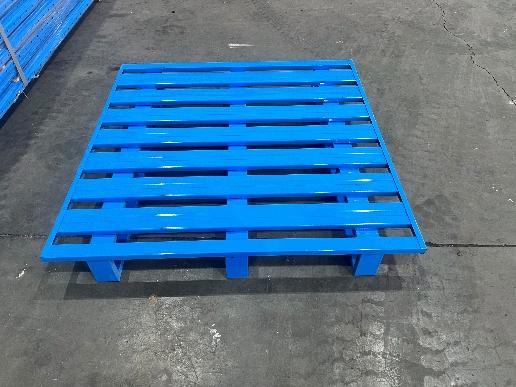
You'll notice the difference in the details that matter most. The base features a fully welded grid pattern that distributes weight evenly, eliminating the weak spots that cause collapses. Even the casters are a cut above—rated for twice the load you’d expect, they glide effortlessly over uneven warehouse floors without jamming. When the season winds down and you're storing them away, they stack compactly enough to tuck into a corner, ready for the next surge without any extra maintenance. That’s the kind of longevity that turns a simple rack into a silent partner in your operations.
Turn Overlooked Corners into Valuable Storage Zones
That awkward nook under the stairs or the bare stretch of wall behind a door often goes unnoticed, yet these spots hold real potential. By fitting in a slim shelving unit or a few custom cubbies, you can instantly carve out a home for shoes, bags, or cleaning supplies. The key is to measure carefully and choose pieces that blend with your existing décor, so the new storage feels intentional rather than an afterthought.
Corners in the kitchen or bathroom can be just as useful if you think vertically. Wall-mounted racks for spices, stackable bins for toiletries, or a narrow rolling cart can slip into tight spaces and keep everyday items within reach. When every inch is utilized, you reduce countertop clutter and make the room feel more open. A few well-placed hooks or magnetic strips can also turn dead wall space into a spot for utensils, towels, or keys.
Even windowsills and the area above door frames can work harder than you’d expect. A shallow shelf above a door becomes a hidden ledge for books or seasonal decorations, while a windowsill with small planters or baskets can hold odds and ends without blocking light. The beauty of these solutions is that they leave your main living areas free while giving a purposeful role to spaces you used to ignore.
Why Warehouse Managers Are Rethinking Traditional Shelving
Traditional shelving systems have long been the backbone of warehouse storage, but they're increasingly falling short in today's fast-paced logistics landscape. Fixed layouts and one-size-fits-all designs simply can't keep up with shifting inventory profiles, where stock keeping units multiply and product dimensions vary wildly from one month to the next. Managers are finding that rigid shelving leads to wasted vertical space, time-consuming item retrieval, and a nagging inability to adapt when demand patterns suddenly change. It's not just about storing boxes anymore—it's about creating a dynamic environment that can pivot overnight without costly reconfiguration.
Beyond space inefficiency, there's a growing recognition that outdated shelving directly impacts labor productivity and safety. When workers spend excessive time bending, reaching, or walking around static aisles, both morale and throughput suffer. Ergonomic concerns are pushing managers to seek solutions that minimize strain and keep frequently picked items within easy reach. Moreover, the pressure to accurately track inventory in real time is exposing the limitations of passive storage—shelves that don't communicate with digital systems leave room for errors and stock discrepancies that ripple through the entire supply chain.
Simple Adjustments That Add Years to Your Rack Investment
A little attention to your rack's environment goes a long way. Keep it away from direct sunlight and moisture-prone areas—UV rays and humidity are silent killers that degrade materials faster than you'd expect. Even a simple curtain or blinds can dramatically cut down exposure, while a low-cost dehumidifier keeps rust and warping at bay. It's the kind of small habit that feels like nothing now but saves you from premature replacements down the line.
Weight distribution is another often-overlooked factor. Overloading a single shelf or hanging items unevenly stresses joints and fasteners, accelerating wear in ways that aren't always visible until something fails. Take ten minutes every few months to redistribute heavier items across the rack and check for any signs of strain—loose bolts, slight bends, or creaks you didn't notice before. Catching these early keeps minor fixes from turning into major headaches.
Routine cleaning is more than just aesthetics; it's preventive maintenance. Dust and grime can trap moisture, abrade surfaces, and even attract pests that chew through protective coatings. Use a soft, dry cloth for regular wipe-downs and avoid harsh chemicals that strip finishes or weaken adhesives. A clean rack not only looks better but resists the slow erosion that cuts its useful life short.
How Smart Design Cuts Loading Time Without Cutting Corners
Shaving seconds off a page load often relies less on heavy compression and more on how designers think about the visual order. By placing the most critical imagery and interactive elements in the user's immediate view first—before background textures or secondary animations—the page feels instantly present, even while less urgent assets quietly load out of sight. This perceptual trick makes waiting nearly invisible.
Clean, intentional typography and lightweight vector graphics do much of the heavy lifting without the bulk of high-resolution raster images. When photographs are necessary, modern formats like WebP or AVIF preserve clarity at a fraction of the file size. Combined with lazy loading that defers off‑screen content, the result is a page that unfolds smoothly as the visitor scrolls, rather than stalling at the starting line.
Reclaim Your Floor: The Unseen Cost of Scattered Inventory
When inventory spills into aisles, crowds workstations, or piles up in corners, it’s more than a housekeeping issue — it’s a slow bleed on your operation. Every box left in the wrong place forces employees to step over, walk around, or hunt for what they need. Those extra seconds accumulate, turning into hours of lost productivity each week, and the constant low-grade frustration erodes morale and attention to detail.
Beyond the daily friction, scattered stock distorts your perception of what you actually own. Items tucked behind pallets or buried under unrelated goods are effectively invisible, leading to unnecessary reorders, expired materials, and write-offs that quietly inflate carrying costs. By restoring order and giving every item a designated home, you reclaim not just square footage but also the clarity and pace your team deserves — and that’s where the real savings begin.
FAQ
Stacking racks are portable storage structures that allow you to safely stack pallets or goods on multiple levels. They turn unused vertical space into valuable storage areas, helping you keep inventory organized and accessible without needing permanent racking systems.
Heavy-duty steel is the most common material, often with a powder-coated or galvanized finish to resist rust and wear. Some manufacturers also use high-strength aluminum for lighter loads, but steel remains the top choice for durability and long service life.
Yes, many manufacturers offer customization options such as adjustable beams, removable posts, and specialized base designs. You can often request specific dimensions, load capacities, or surface treatments to fit your exact storage requirements and operating environment.
Unlike fixed shelving, stacking racks are portable and can be stacked up to four or five units high when loaded, then easily collapsed and stored flat when not in use. This flexibility lets you adapt your space instantly for changing inventory levels, effectively doubling or tripling your usable floor area.
Look for racks with secure interlocking mechanisms, stack pins, or base pockets to prevent shifting. Rubber or non-slip caps on posts, welded cross braces, and clearly visible load capacity labels are also essential. Always ensure the design meets industry safety standards and that operators are trained in proper stacking techniques.
Many stacking racks are designed for outdoor use, provided they have weather-resistant finishes like galvanized or stainless steel components. However, you should check the manufacturer's specifications for UV and moisture exposure limits, and consider using protective covers if you're storing sensitive items.
Regular inspections for dents, rust, or loose components are key. Clean them periodically to remove dirt or chemical residues, and touch up any scratches in the coating to prevent corrosion. Always store them properly when collapsed, and avoid exceeding the stated weight limits even for short periods.
Inquire about their load testing procedures, the gauge of steel used, warranty coverage, and lead times for standard and custom orders. Also ask about replacement part availability and whether they provide on-site surveys or engineering support to help you design the most efficient layout.
Conclusion
When warehouse operations strain under peak demand, the durability of stacking racks becomes a silent workhorse that either makes or breaks the flow. It's not simply about metal frames bolted together—it's about engineering that outlasts the punishment of forklift bumps, uneven loads, and the relentless shuffle of inventory. Many facilities still lean on traditional shelving, only to find that their real bottleneck lies in underfoot chaos: scattered goods eating up floor space and driving up retrieval time. The smartest shifts happen when managers reclaim those lost square meters, transforming overlooked corners and narrow aisles into structured, accessible zones without expanding the building. Small design tweaks—like adjustable beam levels and reinforced base plates—don't just extend the life of the rack; they reshape how an entire inventory system breathes.
But what really sets a provider apart is the way their equipment integrates into the daily rush of operations. Racks designed with load sequencing and operator movement in mind slash loading errors and cut the seconds that pile up over a shift. It's the difference between a frantic scramble and a choreographed rhythm. The best setups aren't the ones that crowd a catalog with endless SKU options; they're the ones that adapt without requiring a complete overhaul, making incremental adjustments that compound into years of additional service. As more warehouses rethink the true cost of immovable shelving and scattered stock, the move toward durable, intelligently configured stacking racks becomes a quiet but unshakable advantage—one that pays out not in glossy promises, but in fewer replacements, faster picks, and a floor that finally works as hard as the crew that walks it.
Contact Us
Contact Person: Johnny
Email: [email protected]
Tel/WhatsApp: +86 18151010686
Website: https://lydstorage.com