

TIJ Inkjet Printer Manufacturer: Key Factors to Consider for Quality Printing
2026-05-13
When it comes to precision and reliability in industrial coding, choosing the right TIJ inkjet printer manufacturer can make all the difference. Not all printers are created equal, and factors like ink adhesion, print resolution, and system durability often separate average results from exceptional ones. Danmajet has been quietly redefining expectations in this space, blending advanced thermal inkjet technology with practical, user-focused design. If you’re wondering what actually matters for consistent, high-quality prints across various substrates, you’re in the right place—let’s dive into the key considerations that savvy buyers never overlook.
Printhead Technology: The Unsung Hero of Print Quality
When you admire a crisp, vibrant print, you might credit the printer brand or the ink, but the real magic happens in the printhead. Tiny nozzles, sometimes thousands of them, fire droplets with microscopic precision—each one smaller than a human hair. This intricate dance of heat or pressure determines whether your image is sharp or a blurry mess.
Advancements in printhead design, like variable droplet sizes and better nozzle density, have quietly revolutionized output. They’ve made photo prints look like lab-quality work and allowed industrial coders to mark tiny expiration dates on food packages flawlessly. Without these silent workhorses, even the finest ink would be wasted.
Ink and Substrate: A Partnership That Demands Compatibility
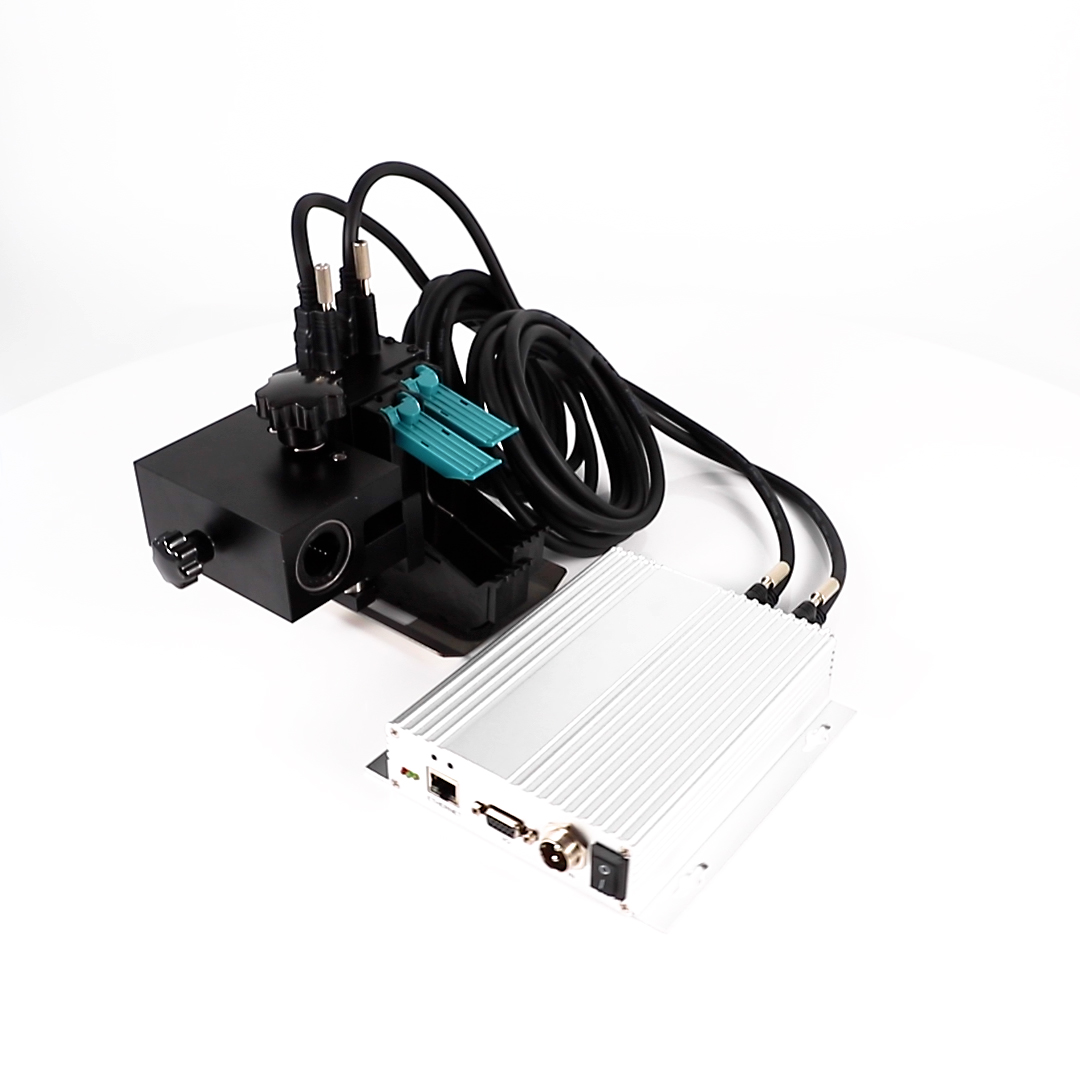
Pairing the right ink with the right surface isn't just a technical detail—it's the core of print quality. When ink meets a substrate that was never designed to hold it, the results are immediate: bleeding, smudging, or colors that fall flat. On the other hand, a truly compatible match can make an image pop with clarity and withstand conditions that would destroy a lesser bond.
There's a quiet science to how a liquid transforms into a lasting mark. Absorbent papers pull ink deep into their fibers, muting sharpness but quickening dry time. Nonporous materials force the ink to sit on top, relying on evaporation or curing to lock it in place. A mismatch here isn't just messy—it wastes materials and rework time, no matter how expensive the equipment.
Beyond the basics, real-world conditions push this partnership further. Humidity, heat, or even the oil from a handler's fingers can break the bond. The most reliable prints come from treating the pairing as a single system, where each element is chosen to amplify the strengths of the other. When a print holds up under stress, it's rarely a happy accident—it's evidence that the link between ink and substrate was never treated as an afterthought.
Machine Resilience: Surviving the Rigors of Daily Operation
Resilience in machinery isn’t about brute strength alone—it’s a subtle interplay of design, materials, and real-world feedback. Daily operation throws an unpredictable mix at equipment: temperature swings, dust, vibration, and constant load changes. The machines that last are those built with a quiet understanding of these stresses, where every bearing, seal, and fastener has a story of withstanding the ordinary chaos of a factory floor.
What often separates dependable equipment from the rest is how it communicates its own deterioration. Subtle whines, slight heat buildups near couplings, or a faint change in cycle timing become a language that attentive maintenance teams learn to read. Rather than flooding operators with alerts, resilient designs make these cues accessible, turning routine checks into a dialogue rather than a checklist.
Beyond the physical build, there’s a behavioral layer—control systems that adapt without drama. As parts age, software adjustments keep things humming within optimal ranges, compensating for wear almost invisibly. This gentle self-regulation avoids abrupt failures, letting the machine age gracefully and stay productive long past the point where lesser equipment would have given up.
Integration Ease: When Your Printer Plays Nice with Others
Setting up a new printer used to feel like preparing for a space mission—drivers, cables, and arcane configuration menus were the norm. That's finally changing. Today's models come with a genuine willingness to cooperate, supporting a range of standards that make discovery and connection almost invisible. Whether it's through Wi-Fi Direct, AirPrint, or Mopria Print Service, the printer simply appears on your network, ready to take orders from any device without fuss.
I was reminded of this last week when my neighbor, who isn't exactly tech-savvy, managed to print a boarding pass from her phone in under thirty seconds. She didn't install anything; her iPhone just saw the printer and offered it as an option. That's the kind of seamless interaction that turns a peripheral into a helpful household member. And it's not just about phones—laptops, Chromebooks, and even some smart home systems can join the conversation, sending print jobs with the same ease as sending a text message.
What really matters is how this integration cuts down the tedious troubleshooting calls and mid-project panic. When your printer plays nice with the rest of your tech, you spend less time configuring and more time creating. It's a quiet revolution that doesn't demand attention—just the simple satisfaction of a machine that works alongside you, not against you.
Total Cost of Ownership: Looking Past the Purchase Price
When businesses evaluate a new investment, the sticker price often dominates the conversation. But focusing solely on that initial outlay is like judging a car solely by its showroom shine. The true expense unfolds over time, through maintenance, energy consumption, training, and inevitable upgrades that get conveniently overlooked during the procurement honeymoon. That hidden layer of ongoing demands can quietly balloon, turning what seemed like a bargain into a budget-draining liability.
Take a seemingly straightforward piece of manufacturing equipment. The purchase order might declare a tidy sum, but once it’s installed, the real costs emerge: specialized technicians who need retraining, proprietary consumables that lock you into a single vendor, and energy draw that sends utility bills soaring. Even the footprint matters—extra floor space may require facility modifications you never anticipated. These secondary expenses don’t just nibble at the bottom line; they can chew through projected savings within the first year of operation.
Shifting the evaluation framework from purchase price to total cost of ownership demands discipline and a willingness to ask uncomfortable questions upfront. Smart decision-makers map out the entire lifecycle, from deployment headaches to decommissioning fees. They compare scenarios rather than spec sheets, weighing whether a slightly costlier option with lower energy consumption and modular parts actually protects the budget over a decade. In an era where margins are thin and sustainability matters, seeing past the initial price tag isn’t just prudent—it’s the difference between an asset and an albatross.
Real-World Testing: Why Lab Specs Don’t Tell the Full Story
Benchmarks and spec sheets are polished snapshots taken under perfect conditions. They ignore the messy variables that actually shape user experience—spotty network coverage, background apps sapping resources, or the simple fact that no one lives in a climate-controlled lab. That sleek new phone might ace a graphics test on paper, only to stutter after a few minutes outdoors when heat throttling kicks in. Real-world testing exposes these gaps because it’s done where we actually use our devices: in pockets, on subways, in direct sunlight.
Lab numbers also miss how products age. Battery capacity quoted at launch means little once you factor in charge cycles, software updates, and daily charging habits that unevenly degrade cells. A laptop’s battery life claim doesn’t survive the reality of streaming video calls with ten browser tabs open while syncing cloud storage in the background. Actual longevity often tells a story far from the pristine factory figures, and only extended use reveals that arc.
Another overlooked element is personal ergonomics and invisible deficits. Specifications don’t measure how a phone’s weight distribution tires your hand after an hour of reading, or how a keyboard’s subtle flex grows irritating over weeks. Touchscreen sensitivities, speaker distortion at volumes you’d actually use, the way a smartwatch catches on a sleeve—these practical nuisances never appear in a datasheet but define whether you’ll love or loathe a product months in.
FAQ
Thermal inkjet (TIJ) relies on tiny resistors that heat ink to create a bubble, which forces a droplet out with precision. Unlike piezo or continuous inkjet systems, TIJ offers a simpler design with disposable printheads, reducing cross-contamination and maintenance. This simplicity often translates to cleaner, sharper prints, especially for small characters and barcodes on porous and semi-porous surfaces.
Printhead lifespan directly impacts operating costs and downtime. Some manufacturers design printheads that can last over a liter of ink throughput, while others may require frequent swaps. It's not just about replacement price—look for printers that intelligently manage heat and meniscus pressure to maximize each printhead's effective life without sacrificing output consistency.
The interaction between ink and substrate is make-or-break for adhesion, drying time, and durability. A quality manufacturer will offer a range of inks—water-based for absorbent materials, solvent-based for plastics, or UV-curable for hard surfaces—and provide thorough testing data. Without this, you risk smudging, poor barcode readability, or fading after exposure to light or moisture.
Modern production lines rarely operate in isolation. A TIJ printer that supports protocols like RS232, Ethernet, or direct database connectivity can pull real-time data for dynamic coding. The software layer should be intuitive, allowing quick message changes without reliance on vendor specialists. Neglecting this often leads to hidden integration costs and workflow bottlenecks.
True reliability goes beyond a warranty. It includes accessible, knowledgeable technical staff who understand your application, swift parts availability, and proactive training. Ask about service level agreements, remote diagnostics capabilities, and whether the manufacturer has a proven track record in your specific industry—not just generic printer support.
Look past the initial purchase to consumables, maintenance contracts, and energy consumption. A cheaper printer that guzzles expensive ink or requires specialized technician visits can double your annual spend. Factor in printhead replacement frequency, ink coverage per cartridge, and even the lost production time during changeovers. The best manufacturers are transparent about these numbers.
In cramped factory environments, a compact design with multiple mounting options can mean the difference between seamless integration and a costly re-engineering of your production line. Look for printers that offer both standard brackets and custom mounting kits, with service access points that don't demand awkward disassembly. Poor ergonomics lead to slow maintenance and operator frustration.
Keep an eye on advancements like higher resolution nozzles (1200 dpi and beyond), greyscale capability for better edge definition, and ink formulations that expand material compatibility. Also, networked IoT features that enable predictive maintenance alerts are becoming more common. Choosing a manufacturer that invests in R&D ensures your equipment won't become obsolete as application demands evolve.
Conclusion
The printhead in a TIJ printer is far more than a replaceable component—it’s the precision engine behind every droplet of ink. A manufacturer’s approach to printhead design, whether through proprietary nozzles or refined firing algorithms, directly impacts dot placement, repeatability, and overall sharpness. Yet even the most advanced printhead cannot rescue a mismatched pairing of ink and substrate. Compatibility here goes beyond basic wetting; it involves chemical bonding, drying kinetics, and long-term durability. The right ink formulation must suit the substrate’s porosity, surface energy, and end-use demands, and skipping careful validation often leads to smudging, fading, or adhesion failures that compromise the entire print run.
Daily operation subjects printers to dust, vibration, and relentless cycle counts, so a machine’s resilience is non-negotiable. Look beyond flashy throughput figures and ask how the printer handles clog prevention, wipe cycles, and thermal stress in a live production setting. Just as important is how easily it integrates with existing lines—whether through straightforward API hooks, flexible data interfaces, or sensor alignment that reduces manual tweaking. A low purchase price rarely tells the whole story; consumable costs, maintenance intervals, and unplanned downtime quickly inflate total ownership expense. This is why testing with your own files, substrates, and operator environment is irreplaceable. Lab specifications achieved under ideal conditions mean little when confronted with real-world variability, making hands-on trials the only honest arbiter of quality.
Contact Us
Contact Person: Jacky
Email: [email protected]
Tel/WhatsApp: 086 15000607053
Website: https://www.danmajet.com