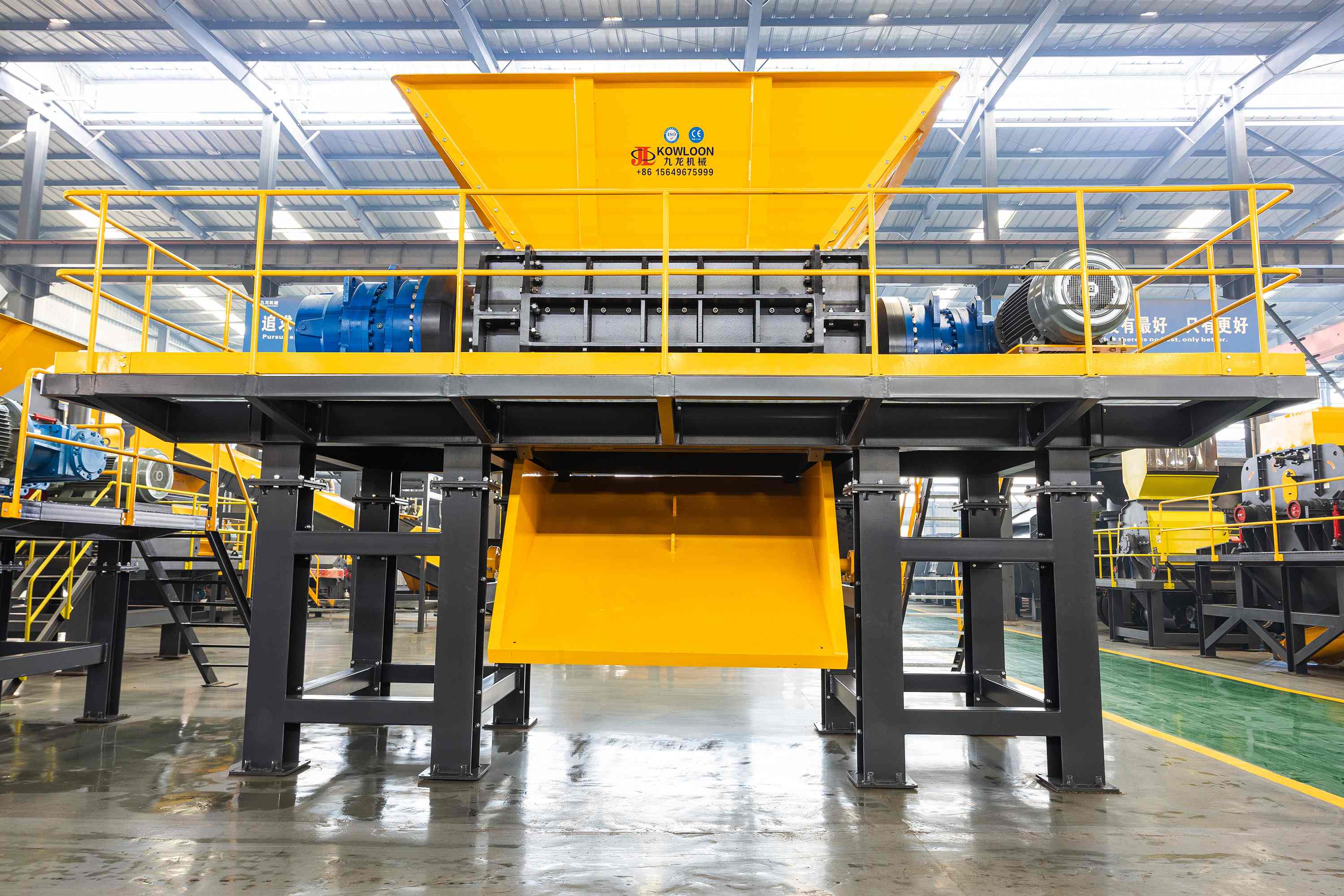

Tire Recycling Manufacturer Insights: Sustainable Solutions for Eco-Friendly Disposal
2026-04-05
Welcome to Kowloon Machinery, where we transform the way the world handles tire waste. In a time where environmental sustainability is more crucial than ever, tire recycling emerges as a key player in driving eco-friendly disposal solutions. As a leading innovator in this field, we understand the challenges and opportunities that come with repurposing discarded tires. This blog delves into the latest insights and sustainable strategies that are reshaping the industry, offering a glimpse into how advanced technology and thoughtful practices can turn waste into valuable resources. Join us on this journey to explore the future of tire recycling and discover how Kowloon Machinery is paving the way for a greener planet.
Innovative Tire Recycling Techniques Transforming Waste into Valuable Resources
The global push toward sustainability has sparked a wave of creative methods in tire recycling, turning what was once considered stubborn waste into a treasure trove of resources. Unlike traditional shredding or simple reuse, these cutting-edge approaches leverage advanced technologies such as pyrolysis and cryogenic grinding to break down tires more efficiently, extracting valuable materials like carbon black, steel, and oil that can feed back into manufacturing cycles. This not only reduces landfill burdens but also cuts down on the need for virgin resources, offering a dual benefit for both the economy and the environment.
One standout innovation is the use of pyrolysis, a process that heats tires in an oxygen-free environment to produce oil, gas, and char, which serve as raw inputs for various industries. Companies are now refining this technique to yield higher-quality outputs with minimal emissions, making it a greener alternative to conventional disposal methods. Simultaneously, cryogenic recycling uses liquid nitrogen to freeze tires, making them brittle and easier to pulverize into fine rubber powder. This powder finds applications in sports surfaces, asphalt modifiers, and even consumer products like shoe soles, showcasing how waste can morph into versatile, high-demand materials.
Beyond technical processes, the transformation extends to business models and community initiatives that integrate these techniques into circular economy frameworks. Startups and established firms alike are partnering with municipalities to set up local recycling hubs, ensuring tires are collected and processed efficiently while creating jobs. By highlighting real-world success stories, such as projects that convert old tires into playground surfaces or fuel for industrial furnaces, this movement is gaining momentum, proving that with continuous innovation, discarded tires can indeed become valuable assets rather than environmental liabilities.
Sustainable Manufacturing Practices that Reduce Environmental Footprints
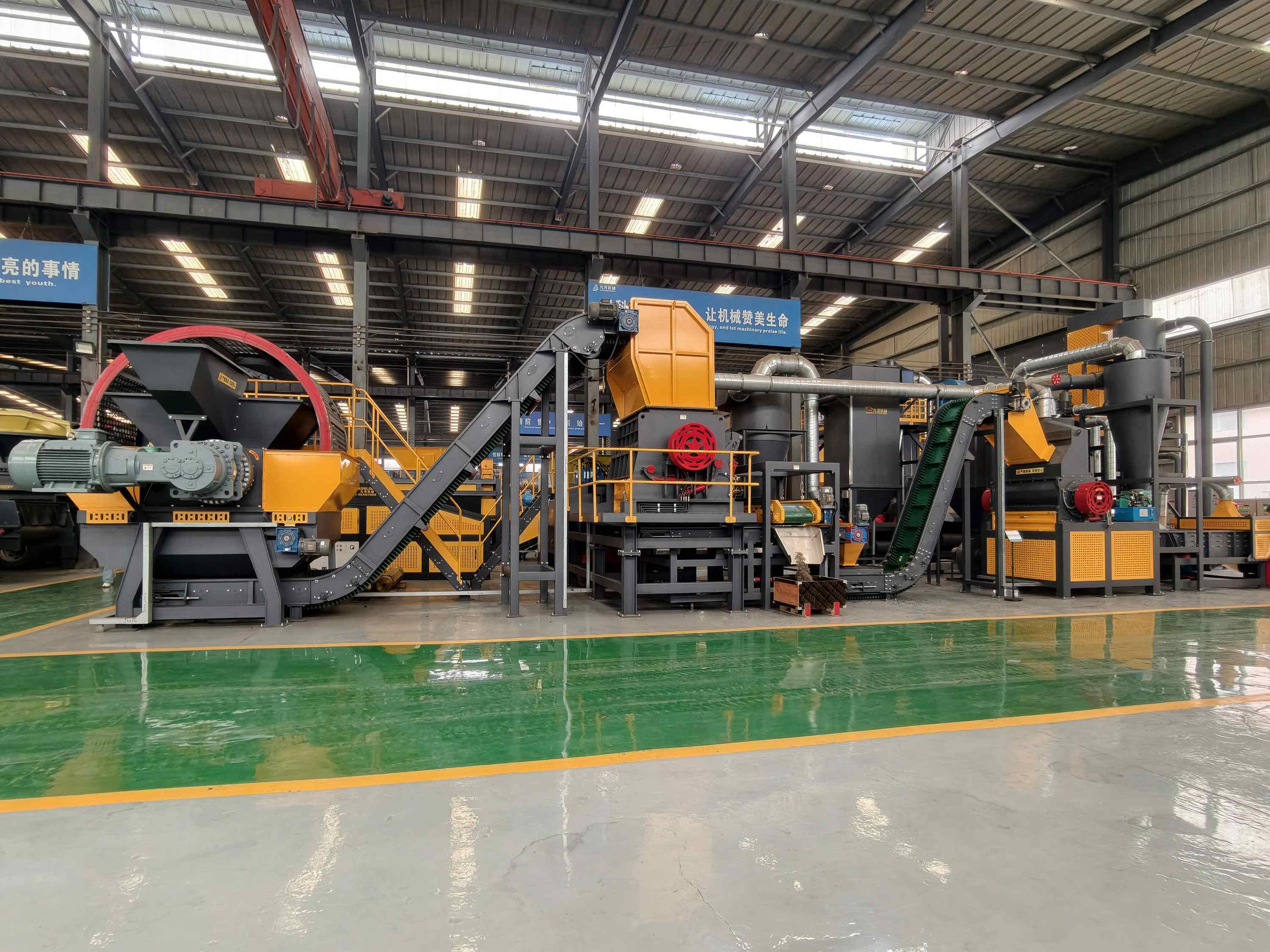
In today's global market, sustainable manufacturing has evolved from a niche trend into a critical business strategy for companies aiming to shrink their environmental footprints. By integrating practices like energy efficiency and waste reduction, manufacturers can significantly lower greenhouse gas emissions and conserve natural resources. For instance, adopting renewable energy sources such as solar or wind power not only cuts down on carbon output but also stabilizes operational costs over time, fostering both environmental and economic resilience.
Beyond energy, material management plays a pivotal role in reducing environmental impacts. Implementing circular economy principles—where products are designed for durability, reuse, and recycling—can drastically minimize landfill waste and raw material extraction. Companies leading the charge often innovate with biodegradable materials or closed-loop systems, turning potential waste into valuable inputs for new processes, thus creating a more sustainable production cycle that resonates with eco-conscious consumers and regulatory requirements.
Another key aspect is water conservation and pollution prevention, which are often overlooked but essential for comprehensive sustainability. Through advanced technologies like water recycling systems and non-toxic chemical alternatives, manufacturers can protect local ecosystems and reduce their overall ecological footprint. By embedding these practices into daily operations, businesses not only comply with environmental standards but also build a reputation for responsibility, attracting investors and customers who prioritize long-term planetary health over short-term gains.
Advanced Technologies Driving Efficiency in Eco-Friendly Tire Disposal
The push for greener tire disposal has accelerated with innovative technologies like pyrolysis, which transforms old tires into valuable products such as oil, carbon black, and gas without harmful emissions, significantly reducing landfill waste and boosting resource recovery rates. This method contrasts sharply with traditional incineration, offering a more sustainable and profitable alternative.
Additionally, advanced shredding and grinding techniques now enable more efficient material separation, allowing rubber, steel, and textiles to be repurposed for applications like playground surfaces or road construction, minimizing environmental impact and extending material lifecycles. These processes are powered by smart sorting systems that enhance precision and reduce operational costs.
Emerging digital tools, including IoT sensors and AI-driven analytics, optimize disposal facility operations by monitoring equipment performance and predicting maintenance needs, ensuring smoother workflows and lower energy consumption, which helps tire disposal become not just eco-friendly but also highly efficient and scalable for future demands.
Market Trends and Consumer Demand for Green Tire Solutions
The shift toward eco-friendly products isn't just a passing trend; it's reshaping entire industries, and the tire market is no exception. Instead of waiting for regulations to tighten, leading companies are proactively developing green tire technologies, like those using renewable materials such as dandelion rubber or silica compounds that cut rolling resistance. This isn't merely about compliance—it's about capturing a growing segment of environmentally conscious drivers who see their vehicle choices as part of a broader sustainability effort. As urban areas expand and emissions standards evolve, the demand for tires that offer better fuel efficiency and reduced carbon footprints is accelerating, pushing innovation beyond traditional rubber formulas.
For everyday consumers, the appeal of green tires extends beyond basic eco-friendliness; it's increasingly tied to tangible benefits like cost savings and enhanced safety. While some might assume green options are a premium luxury, modern designs often deliver improved mileage and durability, thanks to advanced tread patterns and materials that minimize energy loss. This dual advantage—helping both the planet and the wallet—resonates with a wide audience, from fleet managers aiming to trim operational expenses to families seeking reliable, long-lasting tires. The rise of electric vehicles further fuels this demand, as drivers look for tires that complement their cars' efficiency without compromising performance on wet roads or in varied climates.
What sets today's green tire market apart is its focus on holistic solutions that address multiple environmental impacts at once. Rather than just reducing emissions, newer models incorporate sustainable production methods, such as water-saving manufacturing processes or recycled content in sidewalls, appealing to consumers who scrutinize a product's entire lifecycle. This comprehensive approach, combined with transparent labeling and certifications, helps buyers make informed choices, fostering a competitive landscape where brands compete on genuine innovation, not just greenwashing. As awareness grows, the expectation is shifting from mere availability to accessible, high-performance options that make sustainable driving an effortless, integrated part of modern life.
Challenges and Opportunities in the Tire Recycling Industry
The tire recycling industry faces significant hurdles, including the high costs of processing and the often complex logistics of collecting used tires from diverse sources. Additionally, the presence of steel and other materials in tires complicates recycling efforts, requiring specialized technology that isn't always accessible globally. These challenges can lead to environmental issues if tires end up in landfills, where they pose fire risks and leach harmful chemicals.
Despite these obstacles, there are emerging opportunities driven by innovation and changing regulations. New methods, such as pyrolysis, are turning old tires into valuable products like carbon black and fuel oil, opening up markets beyond traditional rubber crumb. Governments are also stepping up with stricter disposal laws, pushing demand for recycling services and creating a more stable business environment. This shift is encouraging investment in advanced facilities that can handle higher volumes efficiently.
Looking ahead, the industry's growth potential is tied to sustainability trends and consumer awareness. As more companies seek eco-friendly materials, recycled tire rubber finds uses in everything from playground surfaces to asphalt, boosting its economic viability. By tackling challenges with creative solutions, the sector can not only reduce waste but also build a circular economy, making tire recycling a key player in global environmental efforts.
Success Stories from Leading Tire Recycling Manufacturers
In the dynamic world of tire recycling, leading manufacturers have transformed what was once a global waste challenge into a thriving industry of innovation and sustainability. Take, for instance, GreenTire Solutions, a company that started with a modest facility in Europe and has since expanded to three continents by pioneering advanced pyrolysis technology. They don't just break down old tires into reusable materials; they've developed proprietary processes that yield higher-quality carbon black and fuel oils, reducing landfill waste by over 90% in their operational regions. Their commitment to closed-loop systems has not only garnered numerous awards but also inspired local communities to adopt more eco-friendly practices, showcasing how profitability and environmental stewardship can go hand in hand.
Another standout is EcoRubber Industries, which has carved a niche by focusing on upcycling rather than simple recycling. By collaborating with automotive giants, they've created high-performance rubber compounds from discarded tires, used in everything from playground surfaces to durable road pavements. Their story is marked by strategic partnerships that have accelerated product development and market reach, turning potential liabilities into valuable assets. This approach has set them apart in a competitive landscape, proving that innovation in material science can drive both business growth and significant reductions in carbon footprints.
From North America to Asia, Trailblazer Recycling has made waves by integrating cutting-edge automation and AI into their operations, boosting efficiency and safety. Initially faced with skepticism, they've demonstrated that smart technology can handle complex sorting and processing tasks, minimizing human error and maximizing output. Their success isn't just in numbers—like processing millions of tires annually—but in fostering a culture of continuous improvement, where employee training and community engagement are as prioritized as technological advancements. These stories collectively highlight how leading manufacturers are not merely solving a waste problem but are redefining industry standards through resilience, creativity, and a deep-seated commitment to a greener future.
FAQ
These manufacturers repurpose end-of-life tires into valuable products like rubber-modified asphalt and playground surfaces, diverting waste from landfills and reducing the need for new raw materials.
Through techniques such as pyrolysis and shredding, they convert waste tires into materials for construction, sports fields, and industrial use, minimizing environmental pollution and conserving resources.
One notable solution is using recycled rubber crumbs in athletic tracks or safety mats, which enhances durability and provides a cushioned surface for users.
Key challenges include managing costs for advanced processing equipment, ensuring consistent supply of waste tires, and navigating regulatory requirements for emissions and waste handling.
Innovations like automated sorting systems and cleaner pyrolysis methods improve efficiency and reduce carbon footprints, setting new standards for circular economy practices.
It addresses the global issue of tire disposal by transforming waste into eco-friendly alternatives, supporting broader efforts to combat climate change and promote resource conservation.
Conclusion
The discourse around tire recycling is evolving beyond mere disposal, with manufacturers pioneering innovative techniques that transform millions of waste tires into valuable resources. By implementing sustainable manufacturing practices, these companies significantly reduce environmental footprints, integrating advanced technologies to drive efficiency in eco-friendly tire disposal. This shift is fueled by market trends and growing consumer demand for green tire solutions, pushing the industry toward more sustainable models.
Despite facing challenges like regulatory hurdles and high initial costs, the tire recycling industry presents numerous opportunities for growth and innovation. Success stories from leading manufacturers illustrate how strategic investments in technology and sustainability can yield substantial benefits, not only economically but also environmentally. As these insights spread, they highlight a promising future where tire recycling becomes a cornerstone of a circular economy, balancing ecological responsibility with industrial progress.
Contact Us
Contact Person: Ray
Email: [email protected]
Tel/WhatsApp: +86 13733817580
Website: https://www.zzkowloon.com/