
Top 10 Energy Storage Cabinet Solutions for Reliable Power Backup
2026-11-16
Power outages don’t wait for convenient moments, and neither should your backup plan. From grid instability to peak-demand charges, the right energy storage cabinet can mean the difference between business as usual and costly downtime. In this guide, we’ve compared ten solutions that actually deliver when the lights go out — with options ranging from compact commercial units to heavy-duty industrial builds. Along the way, you’ll see why UNC keeps showing up in shortlists for reliable, no-nonsense power backup.
When Backup Power Needs More Than a Single Battery Rack
A single rack tends to become a constraint once loads start shifting, not because the nameplate capacity was wrong but because actual demand rarely sits still. New equipment, higher ambient temperatures, and longer runtime expectations can all eat into the reserve that was originally built in.
Maintenance windows expose the same limit from a different angle. If the only rack needs to be isolated for cleaning, breaker testing, or a cell replacement, you either accept a temporary loss of backup coverage or schedule work at hours nobody wants. Multiple racks give facility teams room to take one string offline without leaving the critical bus unprotected.
Then there is balance. Putting additional racks in parallel is less like adding another battery and more like adding another participant to a shared system. Differences in cable resistance, firmware versions, and cell aging start showing up as uneven current sharing, which is why the physical layout and monitoring design deserve attention before the second rack is ordered.
Cabinet Chemistry Choices That Change the Payback Math
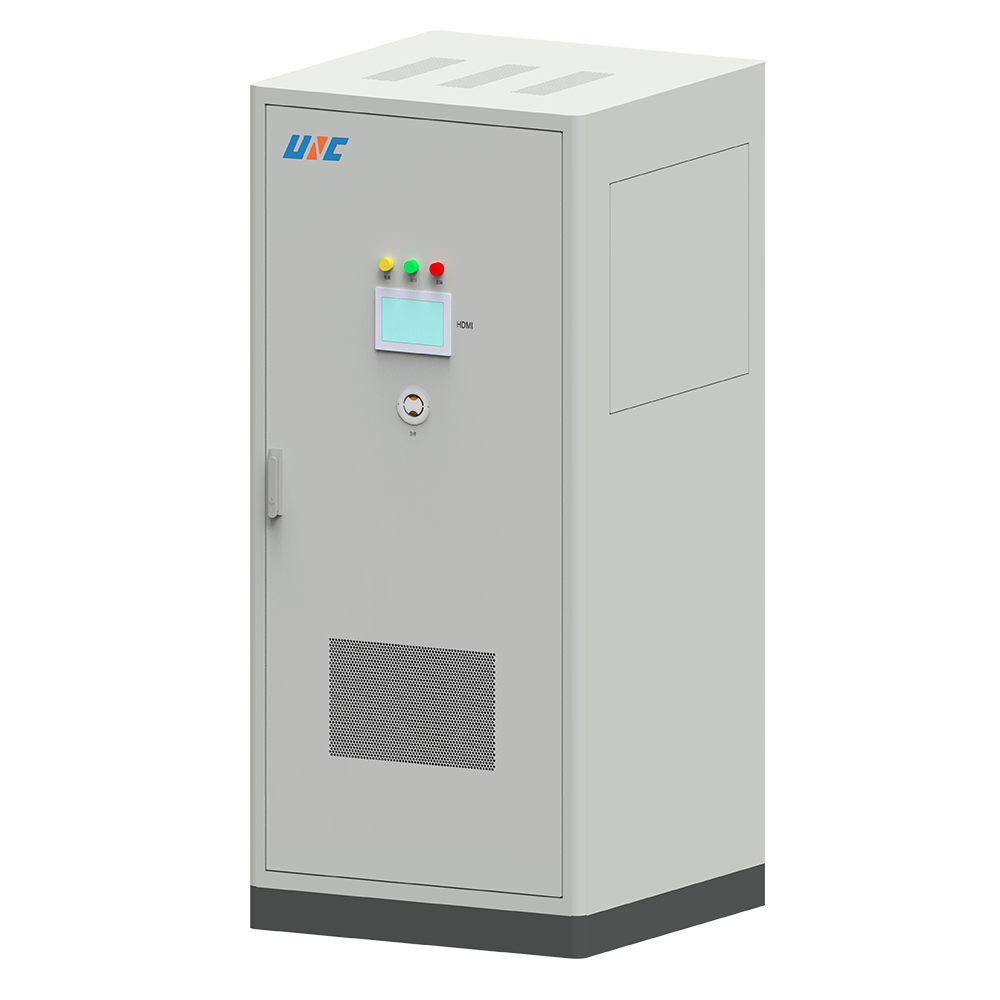
The assumption that a cabinet is just a metal box falls apart the moment you look at what goes inside it. Switch from standard epoxy coatings to a fluoropolymer lining, and the upfront cost stings, but the real shift shows up in replacement cycles. Corrosive off-gassing that used to eat through seams in four years now takes a decade or longer. The payback math stops being a simple line item and becomes a curve shaped by fewer shutdowns and fewer emergency replacements.
In wet or coastal environments, the choice of hinge alloy and gasket material often moves the needle more than the cabinet's overall rating. A 316 stainless hinge paired with a silicone gasket can look like overkill on a bid sheet, yet it removes the quarterly callbacks that quietly drain the maintenance budget. That recurring labor cost, measured across even eight or ten sites, frequently outweighs the premium within the first eighteen months.
The less visible choices matter just as much. Conductive hardware coatings, deburred edges that protect cable jackets, and UV-stable polymer feet all alter how long the enclosure remains serviceable without intervention. When those details are left to the lowest bidder, the initial savings disappear into repainting, re-sealing, and on-site touch-ups. A cabinet that stands up to its actual operating chemistry tends to earn back the difference long before the warranty expires.
Fire Containment Without Overbuilding the Enclosure
Many fire safety approaches assume that adding more material to a wall or ceiling automatically improves its resistance. But overbuilding can work against you. Extra layers of gypsum, thick steel liners, or oversized structural members often create redundant thermal mass that drives up cost and weight without meaningfully delaying flame spread. The goal is not to make the enclosure indestructible—it is to give occupants enough time to exit and responders enough time to act, using the least amount of material that still holds the fire line.
A smarter path starts with identifying the actual failure points. Joints, penetrations, and transitions between assemblies are where fire tends to move first. By focusing on tight sealing, proper backing, and stable attachment at these interfaces, you can often achieve the same ten-minute or twenty-minute rating with a simpler buildup. For instance, selecting a single layer of a specialized fire-rated board rather than doubling standard drywall can cut labor while preserving the required barrier.
The real discipline is asking what the enclosure must do, not what it could survive. In many light-frame buildings, a compartment wall is there to slow smoke and heat long enough for the active systems to engage. Once you accept that level of performance, you can stop adding layers and start refining details. That approach keeps the structure lean, the budget sane, and the fire protection credible—without pretending every wall needs to behave like a furnace lining.
Why Smaller Footprints Are Winning in Urban Installations
Space in dense neighborhoods rarely comes in neat, rectangular parcels. A reduced footprint lets crews slide equipment into leftover strips between bike lanes, curb extensions, and existing utility vaults without triggering months of traffic control or digging through a tangle of underground lines.
Smaller layouts also change the conversation with local businesses and residents. When a cabinet or platform doesn’t block sightlines or eat into a narrow sidewalk, objections drop quickly, and the approval path gets shorter. That matters more than technical specs in many downtown districts.
Maintenance teams feel the difference too. Compact units tend to have fewer exposed surfaces, simpler access panels, and lower replacement costs when a damaged part needs swapping. In cities where every square foot is contested, the design that stays out of the way usually ends up staying longer.
Remote Monitoring That Works Even When the Network Drops
Most monitoring setups go quiet the moment a connection stutters. This system keeps logging readings, timestamps, and status changes in onboard storage, then syncs everything once the link returns.
There is no empty stretch left in the timeline. Detailed interval data stays on the device, critical events get priority if space runs tight, and delivery retries happen without clearing the buffer.
Sites in basements, rural routes, and concrete-heavy buildings get the same level of visibility. The network drops; the monitoring does not.
From Outdoor Heat to Sub-Zero Starts: Cabinet Tolerance Worth Checking
A cabinet that sits in full sun can easily climb well above the ambient air temperature, while the same enclosure may face a bitter cold start hours later. That swing does more than stress electronics; it changes the physical dimensions of the frame, door, gasket channel, and mounting rails. Tolerances that feel comfortable on a mild day can disappear when aluminum, steel, and polymer parts expand and contract at different rates.
Latch engagement and hinge alignment are usually the first places to show trouble. A striker plate that lines up perfectly in warm weather can drift just enough in sub-zero conditions to make the door hard to close or leave a thin gap at the seal. Gasket compression also changes as rubber stiffens, so a groove that holds the gasket snugly in summer may not apply even pressure when the temperature drops.
Before trusting an enclosure across seasonal extremes, run a few thermal cycles and measure what actually moves. Check the door opening force, lock alignment, cable entry points, and DIN rail spacing at both ends of the temperature range. Small adjustments to clearance, fastener torque, or gasket placement often matter far more than switching to exotic materials.
FAQ
Start with the loads you cannot afford to lose overnight. Add up their wattage and decide how many hours you want to run without grid power. From there, work backward to usable kilowatt-hours, then add at least 15 to 20 percent buffer because depth of discharge and inverter losses eat into the nameplate figure.
LFP chemistry runs cooler and resists thermal runaway far better than nickel-based lithium-ion cells, which makes it the default choice for many indoor and garage installs. That said, you still need to check for UL 9540 or equivalent certification and keep the unit away from direct sunlight, water, and blocked vents.
Nameplate capacity is the total stored energy, while usable capacity is what the battery management system actually lets you access. Most well-designed cabinets allow 90 to 95 percent depth of discharge, but some cheaper units reserve more to protect cells, so compare usable kilowatt-hours rather than the headline number.
Very little on a daily basis. LFP cabinets typically need a clean, dry location, occasional firmware updates, and a visual check of cables and vents every few months. If the system has active cooling, listen for unusual fan noise and keep filters clear.
Yes, most quality cabinets are designed to sit between solar, grid, generator, and home loads. The key is matching the inverter and transfer switch protocols. Before buying, confirm that the cabinet supports generator input and AC coupling if your solar array already has its own inverter.
The difference usually comes from cell grade, thermal management, inverter quality, enclosure design, and warranty terms. A cabinet with active liquid cooling, higher cycle life, better surge handling, and a 10-year performance guarantee will cost more upfront but often delivers lower lifetime cost per cycle.
Most LFP cabinets operate well from about -10°C to 45°C, but charging at freezing temperatures can damage cells unless the system has built-in heating. If the cabinet will live in an unheated garage or outdoor enclosure, look for low-temperature charging protection and an operating range that matches your climate.
For most homes and small businesses, an all-in-one cabinet is easier to permit, install, and support because the battery, inverter, and controls are tested together. Separate components give more flexibility for large or unusual projects, but that route shifts more integration risk onto you or your installer.
Conclusion
Backup power conversations usually start with battery capacity, but the enclosure around that capacity often decides whether a project works in the real world. When a facility outgrows a single rack, the cabinet has to do more than just house more modules; cable management, airflow, and service access all start to shape uptime. Chemistry choice matters just as much as rack count; LFP and nickel-rich NMC cabinets carry different thermal behavior, cycle life, and upfront cost, so the payback calculation shifts before a single cell is installed. In dense urban sites, footprint has become a quiet dealbreaker—teams are selecting narrower cabinets that still allow safe side clearance and inverter access, rather than accepting oversized enclosures that eat parking or setback space.
Fire containment is another area where overbuilding is expensive and underbuilding is dangerous. The stronger designs integrate venting, gas detection, and thermal barriers into the cabinet structure itself, instead of relying on a heavy concrete bunker around it. Remote monitoring also has to work when the local network goes down, so offline logging, cellular failover, and local alarms are more practical than cloud-only dashboards. Finally, outdoor tolerance separates cabinets that survive from cabinets that need constant attention; cold-start heating, solar load management, and sealed connections for dust and humidity determine whether a unit can start in sub-zero conditions or keep running through a heat wave. Together, these factors push the top 10 cabinet solutions past simple energy storage and toward a power backup system that can be deployed, inspected, and left to operate without constant intervention.
Contact Us
Contact Person: Manager Leng
Email: [email protected]
Tel/WhatsApp: 8613764878967
Website: https://www.unc-energy.com