

Top 10 Food Grade Oil-Free Air Compressors for Purity-Critical Applications
2026-07-23
In purity-critical applications—from pharmaceutical production to food processing—compressed air quality isn't just a metric; it's a mandate. Even trace oil contamination can compromise product integrity, halt operations, and put consumers at risk. That's why selecting the right oil-free air compressor is one of the most pivotal decisions you'll make. At Seize Air, we've seen firsthand how the wrong choice leads to costly downtime, while the right one unlocks unparalleled reliability. In this guide, we cut through the hype to reveal the top 10 food-grade oil-free air compressors that deliver certified purity without sacrificing performance. Whether you're upgrading an aging system or designing a new line, this list will help you breathe easier.
Why Oil-Free Air Is Non-Negotiable for Food Processing
In food processing plants, compressed air often comes into direct contact with products—blowing off debris, sorting ingredients, or even mixing into dough. Even a trace of oil in that air can contaminate entire batches, leading to off flavors, texture changes, or worse, consumer health risks. That’s why oil-free compressors aren’t just a preference; they’re a safeguard built into the very foundation of production safety.
Regulatory bodies like the FDA and global standards such as ISO 8573-1 Class 0 set strict limits on air purity. Using oil-injected systems forces facilities to rely on filtration that can fail, creating a false sense of security. With oil-free technology, the risk is designed out from the start, eliminating the need for costly monitoring and the constant fear of filter breakthrough.
Beyond compliance, there’s a practical side too. Oil-laden air clogs pipes, corrodes valves, and reduces equipment lifespan—leading to more downtime and maintenance. Switching to oil-free air keeps lines clean and machinery running smoothly, which directly preserves product integrity and minimizes waste. In an industry where trust is everything, cutting corners on air purity simply isn’t an option.
Understanding Purity Standards: From ISO 8573-1 to FDA Compliance
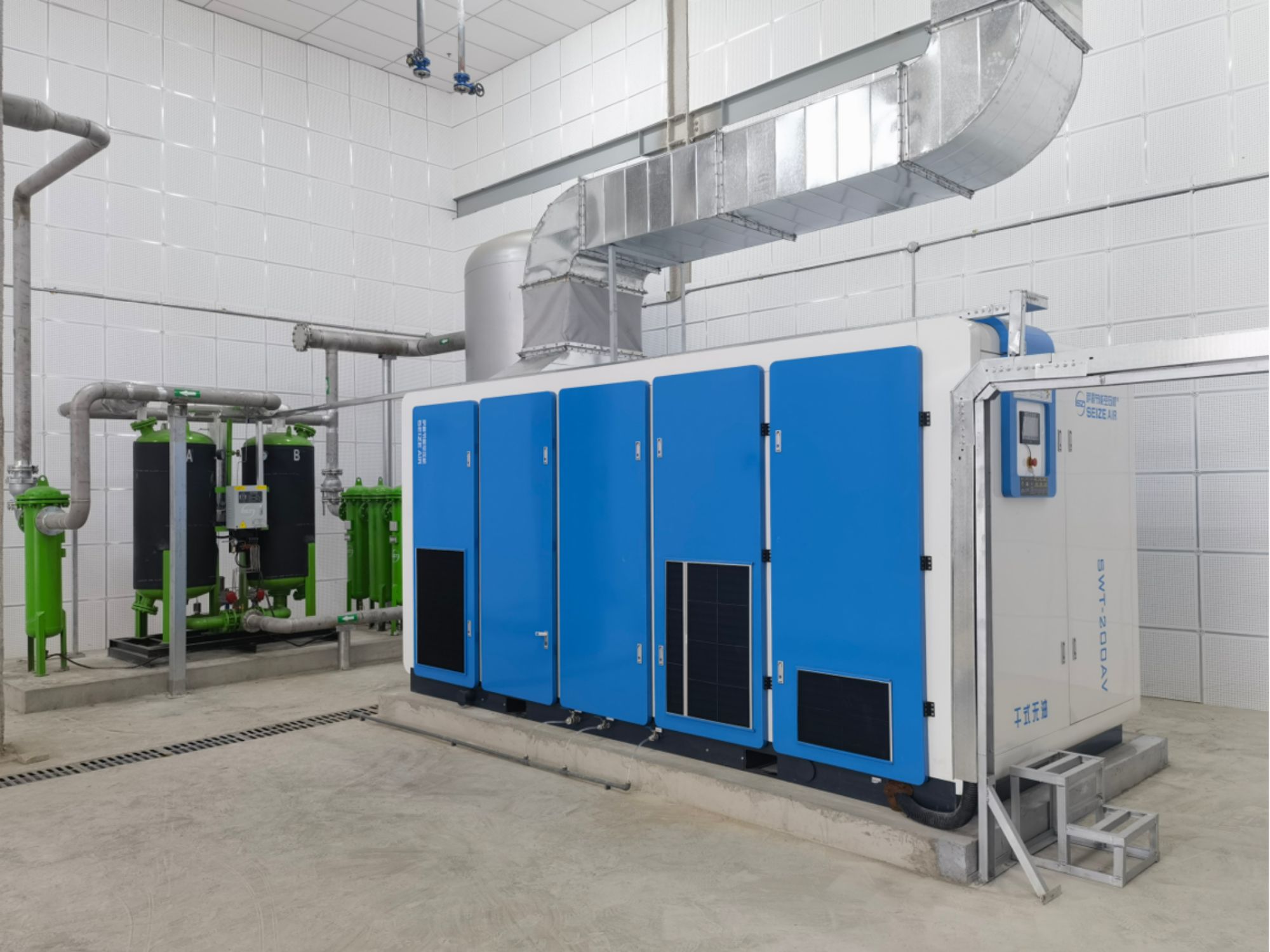
When you think about compressed air, purity might not be the first thing that comes to mind. But in industries like food and pharmaceuticals, it’s critical. ISO 8573-1 sets the baseline for contaminants—particles, water, oil—while FDA regulations zero in on the risks specific to consumable products. Bridging these two isn’t just about meeting specs; it’s about understanding how a particle that’s acceptable in a factory might ruin a batch of medicine. The real challenge comes in translating technical limits into real-world filtration and monitoring that satisfy both.
ISO 8573-1 gives you a clean framework, but FDA compliance demands more—validation, documentation, and a risk-based approach. You can’t just slap on a filter and call it a day. Every point of use becomes a potential contamination source, and that’s where the nuance lies: what’s clean enough for a pneumatic tool might not be clean enough for a tablet coating. The standard classes only tell part of the story; you’ve got to map how your air system affects product quality, which is exactly what an FDA audit will scrutinize.
Ultimately, purity isn’t a one-size-fits-all metric. Whether you’re designing a system from scratch or retrofitting an existing one, aligning ISO 8573-1 with FDA expectations means seeing beyond the numbers. It’s about consistency, control, and the peace of mind that your compressed air won’t compromise patient safety or product integrity. Get that right, and compliance becomes a natural output of a well-thought-out process.
Key Features That Define a Superior Food Grade Compressor
Hygiene sits at the core of any food-grade compressor, shaping everything from material choices to daily operation. A superior unit uses stainless steel contact surfaces and food-safe lubricants to eliminate any chance of contamination, while its crevice-free design prevents bacteria buildup and simplifies thorough cleaning. Every component, from seals to drain valves, is selected to uphold strict safety protocols, ensuring the compressed air remains as pure as the ingredients it touches.
Beyond cleanliness, reliability and silent performance define the best in class. Oil-free operation avoids the risk of carryover and costly filtration, while smart thermal management keeps discharge temperatures low, safeguarding sensitive products. Sound-dampened enclosures and vibration isolation make these compressors unobtrusive on the production floor, and built-in monitoring tracks air quality in real time, flagging deviations before they become problems. Together, these traits create a system that works quietly in the background, meeting both regulatory demands and the unforgiving pace of food manufacturing.
How Advanced Filtration Keeps Contaminants Out
Most people don't realize that standard filters have a limit—they catch the big stuff like sand or rust, but microscopic threats slip right through. Advanced filtration steps in with finer media, sometimes down to a fraction of a micron, trapping bacteria, cysts, and even some viruses that would otherwise end up in your glass. It’s not just about straining; the material itself often has a slight electrostatic charge that grabs particles like a magnet, making sure nothing unwanted gets by.
A single filter can’t do it all, which is why modern systems often stack stages. First, a sediment filter catches larger debris, protecting the finer membranes downstream. Then an activated carbon layer adsorbs chlorine, pesticides, and organic compounds that affect taste and odor. Finally, a dense polymer or ceramic membrane physically blocks the tiniest contaminants. Some setups even add UV light to scramble the DNA of any surviving microbes, so you’re getting pure water without relying on chemicals.
Beyond clean taste, this kind of filtration quietly does the heavy lifting to protect your appliances and plumbing. Hard minerals, metals, and sludge can slowly choke your fixtures, but advanced filtration stops that buildup before it starts. It’s a simple piece of engineering that gives you peace of mind—turning tap water from something you settle for into something you actually trust.
Balancing Energy Efficiency and Performance in Demanding Environments
In extreme environments, from scorching deserts to sub-zero tundras, equipment must not only survive but perform optimally without excessive energy drain. The real challenge lies in engineering systems that dynamically adapt—ramping up processing power only when needed, then pulling back to conserve resources during lulls. This isn’t a simple on-off switch; it demands sophisticated power management algorithms that anticipate workload fluctuations and environmental stressors.
Achieving this balance often means rethinking cooling strategies. Active liquid cooling might boost peak performance, but its parasitic load can negate efficiency gains. Conversely, passive cooling saves power but risks throttling under sustained high loads. The most effective solutions marry the two, using phase-change materials or heat pipes that store and dissipate energy based on real-time thermal profiles.
Beyond hardware, software plays a pivotal role. Intelligent task scheduling can shuffle non-critical operations to off-peak hours or lower-power cores, ensuring that every watt spent serves a purpose. When done right, the system becomes almost invisible—seamlessly delivering maximum output without the user ever noticing the constant, silent negotiation between power and performance.
Real-World Applications: Protecting Product Integrity from Start to Finish
Imagine a shipment of pharmaceuticals winding through a distribution network that spans three countries before reaching a hospital pharmacy. At every transfer point, tiny ambient-logging sensors tucked inside the cartons silently record conditions—temperature spikes, humidity swings, even unexpected vibrations. Those logs, anchored by a cryptographic signature that ties each reading to a specific physical container, are streamed into an immutable chain of custody anyone with the right key can verify later. When the pharmacist scans the box with a handheld device, she sees not just a batch number but a visual timeline of the journey, confirming that every dose stayed within safe parameters from the factory’s cleanroom to her inventory shelf.
On the factory floor, the concept of “integrity” starts long before the first component is assembled. A printed circuit board destined for a smart-lock device gets a microscopic identifier etched right into its copper layer—something invisible to a counterfeiter but trivial to decode with a standard inspection camera. During each stage of assembly, automated checks reference that identifier against a cloud-based digital twin that holds the entire bill of materials and the machine log from every pick-and-place, reflow oven, and automated optical inspection. A discrepancy—say, a capacitor that doesn’t match the twin’s approved vendor list—triggers a hold before the board ever reaches the next station. The system doesn’t just catch defects; it actively prevents a gray-market part from ever being soldered onto a legitimate product.
Further downstream, a premium agri-business uses a different twist: they treat every harvest batch as a discrete digital asset, minting a token that reflects the true volume of picked, washed, and vacuum-cooled produce. As the fresh herbs move into processing and packaging, weight checks at each stage update the token’s metadata, creating a granular, verifiable claim about exactly how much material originated from a specific field on a specific date. A retailer can then check that the pallet received matches the digital token’s “route” history—if someone swapped out half the load for lower-grade equivalent, the final weight would publicly disagree with the token’s accrued loss rates, signaling tampering long before a consumer ever raises an eyebrow. This isn’t about adding complexity; it’s about weaving integrity into the ordinary flow of goods so that the easiest path for any actor is also the honest one.
FAQ
It must be oil-free to prevent contamination, use stainless steel or coated components to resist corrosion, and feature hygienic designs with smooth surfaces and easy-to-clean filters, ensuring the compressed air meets purity standards like ISO 8573-1 Class 0.
Even trace oil can compromise product safety, alter taste, or cause health hazards. Oil-free compressors eliminate this risk, ensuring no lubricants enter the air stream, which is essential for contact with food, beverages, or pharmaceutical products.
Assess your total air demand by summing the CFM requirements of each tool or process, account for simultaneous usage, and add a 30% buffer. For a small bakery, a 5-10 HP rotary screw compressor with a dryer often suffices.
Regularly replace intake filters, inspect air-end coatings for wear, drain moisture from tanks, check for leaks, and monitor air quality with particle counters. Also sanitize air lines periodically to prevent bacterial growth.
Initial costs are higher due to precision engineering and materials, but long-term savings come from reduced maintenance, no oil disposal, and lower contamination risks, which avoids costly product recalls.
Many models include integrated aftercoolers and thermal protection, with high-temperature ratings up to 115°F. Choose units with Class H insulation and oversized cooling systems for demanding settings.
Look for ISO 8573-1 Class 0 for oil-free air, FDA compliance for materials, NSF H1 registration for lubricants if used, and CE or UL safety marks. For dairy, 3-A sanitary standards are also relevant.
Conclusion
In purity-critical food and beverage production, even microscopic oil contamination can compromise product quality, trigger costly recalls, and damage brand trust. Selecting a top-tier oil-free air compressor is not just about compliance—it’s about ensuring every cubic meter of compressed air meets the stringent demands of ISO 8573-1 Class 0 and FDA regulations. The best food-grade compressors go beyond basic oil-free design; they integrate advanced multi-stage filtration, stainless steel components, and sanitary aftercoolers to eliminate particles, moisture, and microbial threats. This level of protection is essential for direct-contact applications like mixing, drying, and packaging, where air purity directly impacts shelf life and consumer safety. Forward-thinking manufacturers are turning to these purpose-built systems because conventional compressed air can introduce hydrocarbons and pathogens that undermine HACCP protocols and create unseen risks.
The leading oil-free compressors distinguish themselves through a blend of energy efficiency, reliable performance under continuous duty, and smart monitoring. Variable-speed drive technology, low-pressure-drop air paths, and heat recovery options trim operational costs without sacrificing output, which is crucial in high-demand facilities running 24/7. Real-world deployments—from spray-drying infant formula to conveying sensitive powders—prove that the right compressor maintains product integrity from raw material intake to sealed package. Ultimately, the top ten models excel because they treat compressed air as a critical ingredient, embedding purity assurance into every design choice. Investing in this equipment means safeguarding not only the production line but also the end consumer, with a system engineered to meet the evolving expectations of global food safety authorities.
Contact Us
Contact Person: Mia
Email: [email protected]
Tel/WhatsApp: +86 19821985894
Website: https://www.seize-air.com