

Top Mold Steel Manufacturers: Your Guide to Quality and Durability
2026-04-11
In the world of precision manufacturing, the quality of mold steel can make or break a product's durability and performance. As industries from automotive to consumer electronics demand higher standards, choosing the right manufacturer becomes crucial. This guide delves into the top mold steel manufacturers, exploring what sets the best apart in terms of innovation, reliability, and sustainability. Among these leaders, Jiangsu Baowu New Materials stands out for its cutting-edge alloys and commitment to excellence, helping engineers and designers achieve superior outcomes. Whether you're sourcing materials for a new project or optimizing existing processes, understanding these key players will empower you to make informed decisions that enhance both quality and longevity. Let’s dive in and discover how the right steel can transform your manufacturing endeavors.
Understanding the Key Properties of Premium Mold Steels
Premium mold steels are distinguished by their superior characteristics, making them essential in demanding manufacturing environments. These advanced materials typically feature enhanced hardness and wear resistance, which are crucial for prolonged tool life and consistent performance in high-volume production. For instance, steels like H13 and P20 are often selected for their ability to withstand thermal cycling and mechanical stress without deforming or cracking, ensuring molds produce precise parts over thousands of cycles.
Beyond durability, premium mold steels excel in machinability and polishability, which directly impact the quality of finished products. Steels with fine microstructures allow for smoother surfaces and tighter tolerances, reducing the need for post-processing and minimizing defects. This attention to surface finish not only enhances the aesthetic appeal of molded items but also improves functionality, such as reducing friction in moving parts or facilitating easier release from the mold.
Additionally, the chemical composition of premium mold steels plays a vital role in their performance, with elements like chromium, molybdenum, and vanadium contributing to properties such as corrosion resistance and toughness. This tailored metallurgy enables these steels to handle aggressive materials like abrasive plastics or corrosive chemicals, making them versatile across industries from automotive to electronics. By focusing on these key properties, manufacturers can select the right steel to optimize efficiency, reduce downtime, and achieve superior results in complex molding applications.
How Leading Manufacturers Ensure Purity and Consistency in Steel Production
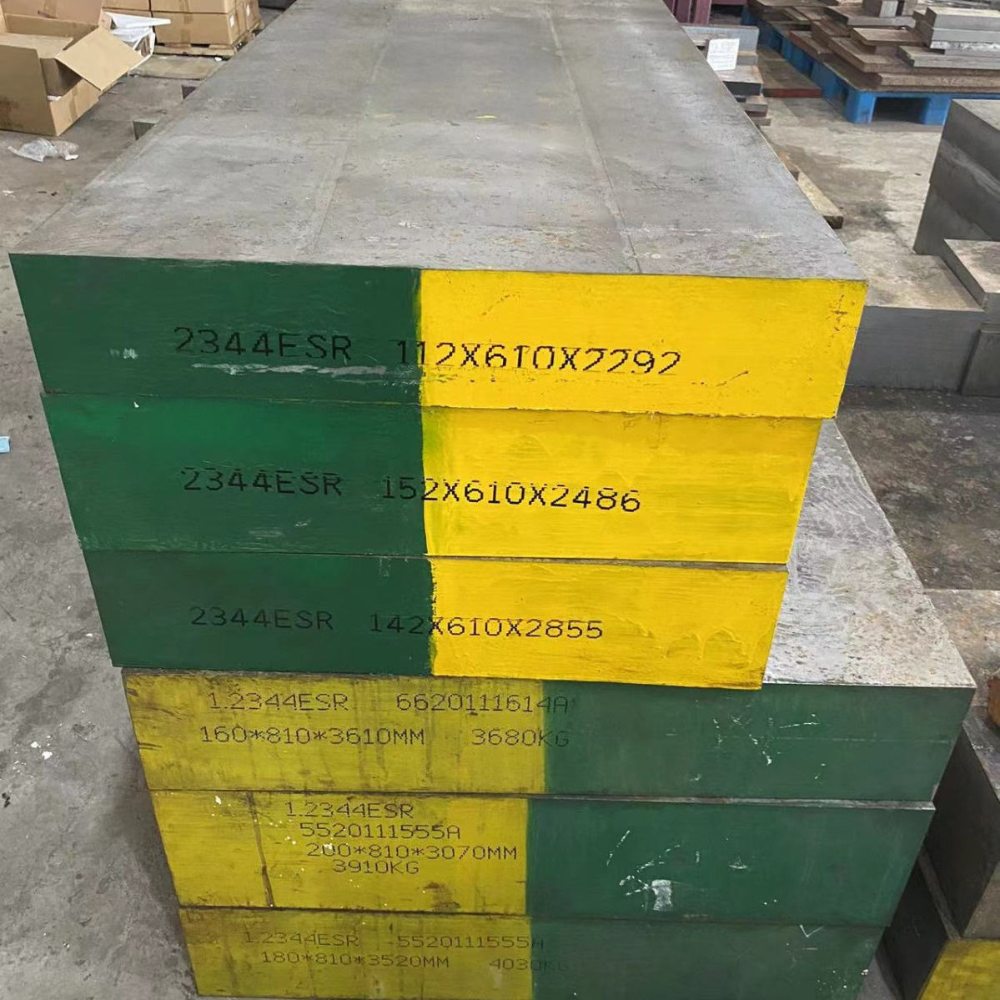
In the competitive world of steel manufacturing, top producers don't just rely on standard methods; they employ advanced spectroscopic analysis and real-time monitoring systems to detect even trace impurities during the melting process. By integrating AI-driven algorithms with traditional metallurgical expertise, they can adjust compositions on the fly, ensuring each batch meets exacting specifications for elements like carbon, sulfur, and phosphorus.
To maintain consistency across vast production runs, these manufacturers implement rigorous quality control protocols that go beyond basic testing. For instance, they use automated robotics for sampling at multiple stages, from raw material intake to finished product, coupled with blockchain technology to create immutable records of every step. This traceability allows for quick identification and resolution of any deviations, minimizing waste and enhancing reliability for end-users.
Moreover, leading firms prioritize innovative purification techniques, such as vacuum degassing and ladle refining, which remove gases and non-metallic inclusions more effectively than conventional methods. By customizing these processes based on steel grades and application needs, they achieve superior mechanical properties and corrosion resistance, setting their products apart in markets where performance and longevity are critical.
Exploring Innovations That Extend Mold Lifespan in Harsh Conditions
In demanding manufacturing environments, like high-temperature metal casting or corrosive chemical processing, molds face relentless wear that shortens their operational life. Recent breakthroughs focus on advanced coatings, such as diamond-like carbon or ceramic composites, which act as a protective shield. These layers reduce friction and thermal stress, preventing premature cracking and erosion, thus significantly boosting durability under extreme conditions.
Another key innovation involves material science advancements, with alloys and composite materials designed for enhanced toughness and resistance. For instance, specialized steels infused with elements like vanadium or chromium improve heat tolerance and corrosion resistance. By tailoring these properties, molds can withstand prolonged exposure to harsh elements without degrading, leading to fewer replacements and lower long-term costs.
Beyond materials, smart monitoring systems are revolutionizing maintenance strategies. Sensors embedded in molds collect real-time data on temperature, pressure, and wear patterns, enabling predictive analytics. This allows for proactive adjustments or repairs before failures occur, minimizing downtime and further extending lifespan in challenging settings where traditional methods fall short.
Real-World Applications: From Automotive Parts to Consumer Electronics
In today's dynamic manufacturing landscape, real-world applications span from the robust automotive sector to the ever-evolving realm of consumer electronics. Automotive parts, such as engine components and chassis systems, demand high durability and precision to ensure safety and performance under harsh conditions. Meanwhile, consumer electronics, like smartphones and wearables, require sleek designs and efficient miniaturization to meet consumer expectations for portability and functionality. This diverse range highlights how advanced technologies are tailored to specific industry needs, driving innovation across the board.
A closer look reveals that these applications aren't just about isolated products; they often interconnect through shared materials and processes. For instance, lightweight alloys used in automotive bodies are also adapted for electronic casings, enhancing both fuel efficiency and device durability. Similarly, advancements in sensor technology, originally developed for automotive safety features, now power smart devices, enabling features like gesture control and environmental monitoring. This cross-pollination of ideas fosters a symbiotic relationship between industries, pushing boundaries beyond traditional limits.
Ultimately, the journey from automotive parts to consumer electronics underscores a broader trend towards integrated solutions that prioritize user experience and sustainability. Companies are increasingly blending mechanical and digital elements, resulting in smarter vehicles with connected infotainment systems and eco-friendly electronics made from recyclable materials. By focusing on real-world impact, these applications not only enhance everyday life but also set the stage for future innovations in fields like renewable energy and healthcare, where similar principles can be applied to solve complex challenges.
Custom Solutions and Technical Support for Complex Manufacturing Needs
In the manufacturing landscape, one size rarely fits all—especially when dealing with intricate or specialized production challenges. Custom solutions are crafted to address these unique hurdles, offering tailored approaches that align precisely with your operational goals and constraints. Whether it's designing bespoke machinery, optimizing workflows for efficiency, or integrating cutting-edge technologies, these personalized strategies ensure that every component of your process works in harmony. By focusing on specific pain points, we help transform complex manufacturing needs into streamlined, high-performance systems that drive productivity and innovation.
Technical support goes beyond mere problem-solving; it's about building a partnership that adapts to your evolving demands. Our team provides hands-on assistance, from initial consultation through implementation and beyond, ensuring that solutions are not only effective but also sustainable in the long run. We dive deep into the nuances of your operations, offering expert guidance on maintenance, upgrades, and troubleshooting to minimize downtime and maximize output. This proactive approach fosters continuous improvement, keeping your manufacturing processes agile and competitive in a fast-paced market.
What sets us apart is our commitment to blending creativity with technical prowess. Rather than relying on generic fixes, we explore innovative avenues—like leveraging advanced analytics or custom materials—to craft solutions that are both practical and forward-thinking. This dedication to differentiation means you get support that's not just reliable, but uniquely suited to propel your business forward, turning complex challenges into opportunities for growth and excellence.
What to Look for When Selecting a Mold Steel Supplier for Peak Performance
When you're on the hunt for a mold steel supplier to boost your production efficiency, it's vital to go beyond just price quotes. Start by checking the supplier's track record—how long have they been in the business, and what kind of feedback do their long-term clients have? A reliable supplier often has a portfolio of successful projects across various industries, which can give you confidence in their ability to handle your specific needs. Additionally, look into their technical support and customization options; a supplier that offers tailored solutions based on your mold design and operational environment is more likely to help you achieve peak performance, ensuring your molds withstand high-pressure cycles without faltering.
Another key factor is the quality and consistency of the steel itself. Peek into their sourcing practices—do they use premium alloys and maintain rigorous quality control processes? Ask about certifications like ISO standards, as these can indicate a commitment to excellence that minimizes downtime due to defects or inconsistencies. It's also worth exploring how they handle logistics and lead times; a supplier with efficient shipping and flexible scheduling can keep your projects on track, preventing bottlenecks that might derail your performance goals. By focusing on these elements, you're not just buying steel; you're investing in a partnership that drives sustained high performance.
Don't overlook the importance of technical expertise and customer service. Engage in conversations with their team to gauge their knowledge about heat treatment, surface finishes, and post-processing recommendations that can extend mold life. A supplier who proactively shares insights and stays updated on industry innovations can be a game-changer, helping you optimize your molds for peak efficiency. Ultimately, choosing a supplier isn't just about the product—it's about finding a collaborator who understands your challenges and works with you to push the boundaries of what your molds can achieve.
FAQ
Essential factors include material quality, technological expertise, customization options, reliability, and industry certifications, ensuring long-term durability and performance.
They employ advanced metallurgy techniques, rigorous testing protocols, and continuous R&D to enhance resistance to wear, corrosion, and thermal fatigue.
Brands like Uddeholm, Böhler, and ASSAB are renowned for their premium mold steel, offering excellent hardness and dimensional stability for demanding applications.
Innovations include microalloying for enhanced toughness, surface coatings for reduced friction, and digital simulations for optimized design and production processes.
While initially more expensive, top-grade mold steel often provides better longevity and reduced downtime, leading to lower total cost of ownership over time.
Avoid suppliers lacking traceability, inconsistent quality control, or limited technical support; always verify certifications and request sample testing.
They offer tailored solutions through alloy modifications, heat treatment adjustments, and collaborative engineering to meet unique application requirements.
Many prioritize eco-friendly practices, such as energy-efficient manufacturing, recycling scrap materials, and reducing emissions to minimize environmental impact.
Conclusion
Top mold steel manufacturers distinguish themselves by mastering the essential properties of premium steels, which include high hardness, toughness, and wear resistance. Understanding these key characteristics, as explored in sections like "Understanding the Key Properties of Premium Mold Steels," allows manufacturers to produce materials that withstand demanding industrial processes. Leading firms ensure purity and consistency in steel production through advanced refining techniques and stringent quality control, as highlighted in discussions on production methods. By integrating innovations, such as specialized coatings and heat treatments, they extend mold lifespan even in harsh conditions, addressing challenges faced in sectors like automotive and electronics.
Real-world applications, from automotive parts to consumer electronics, demonstrate how top manufacturers deliver custom solutions and robust technical support for complex needs. When selecting a mold steel supplier for peak performance, it is crucial to evaluate factors like material certification, reliability, and after-sales service, ensuring durability and quality in every project. This guide underscores how a focus on innovation, consistency, and tailored support sets the industry's best apart, driving efficiency and longevity in manufacturing.
Contact Us
Contact Person: Zoe Liang
Email: [email protected]
Tel/WhatsApp: 86 189 2128 6299
Website: https://www.baowuchina.com