

Wear Resistant Steel Plate Dealer Checklist for Choosing a Reliable Supplier
2026-11-16
Choosing a wear resistant steel plate dealer often feels straightforward until a batch arrives with inconsistent hardness or delayed cutting work. The real cost shows up later—premature wear, unplanned downtime, and procurement headaches. This checklist cuts through the noise by focusing on what actually matters: material certifications, thickness tolerance, in-house processing, and response time when specifications change. It is built for engineers and buyers who need more than a low quote. Use it as a baseline, and compare suppliers side by side. If you are evaluating options, Jiangsu Baowu New Materials is one source worth checking against these criteria.
Follow the Plate Back to Its Mill
A plate rarely gives up its history at a glance, but the stenciled heat number and mill code on its edge are enough to start the trail. Walking that plate back to its mill means checking the rolling schedule, the furnace soak times, and the exact reduction pass sequence that turned a slab into finished plate. It is less about tracing paper and more about reading the rhythm of the line: which caster fed it, when it was reheated, and how long it sat on the cooling bed before leveling.
Once the plate is matched to a specific production window, the useful details surface quickly. Mill logs show whether the roll force deviated, whether the finishing temperature held steady, and whether the plate was sent back for rework after the first ultrasonic check. These are the small markers that separate plates that look identical on the yard floor but behave differently under a welder or a press brake.
The real value of following the plate back is not the paperwork. It is finding the physical cause behind a recurring distortion, a surface flaw, or a batch of material that cuts differently from the rest. Instead of guessing at the problem, you end up standing in front of a particular mill stand with a clear idea of what changed that day, and that makes the next order easier to specify.
Look for Hardness Numbers That Hold Up in the Field
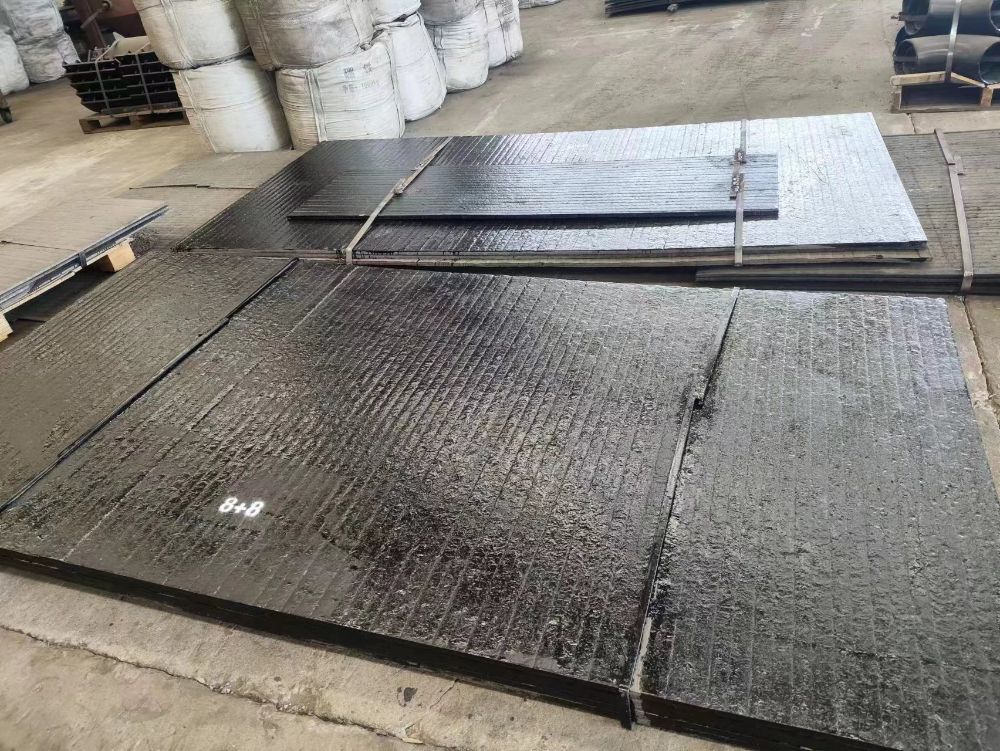
A Rockwell C number on a spec sheet tells you how a coupon behaved under a diamond indenter in a controlled lab. What it doesn't capture is how that same steel reacts after a day of dirt, impact, thermal cycling, and uneven pressure. If you want hardness that actually matters outdoors, ask how the number was obtained and whether the heat treatment is consistent through the full cross-section, not just at the surface.
In the field, edge stability and resistance to chipping often say more than a single hardness reading. Extremely high HRC values can look impressive but turn brittle when a blade hits a knot or a tool gets dropped on rock. A slightly lower hardness with a tougher microstructure will often survive longer, especially in cold weather or abrasive environments where micro-cracks grow fast.
Pay attention to the gap between advertised hardness and real-world performance data. Independent testers, repeated batches, and user reports from similar conditions give a more dependable picture than a number copied from a marketing sheet. If a manufacturer refuses to explain testing conditions or only quotes the highest reading from a selective sample, treat that hardness figure as a starting point rather than a promise.
Find Out How the Yard Handles Plate Before It Ships
Plate arriving from the mill rarely gets a quiet moment. The crew checks thickness, width, and heat numbers against the order before anything is moved into storage. Surface condition gets looked at under good light, and any moisture trapped between plates is wiped or blown off early to stop staining before it starts.
Once the paperwork matches, the material is slotted into the yard with dunnage placed under and between layers so air can move and lifting gear has room to grab without chewing up edges. Heavier pieces stay low and close to the aisle, while smaller cuts are grouped by order rather than scattered by size. If plates will sit longer than a few days, edge protection and a breathable cover go on instead of wrapping them tight enough to sweat.
Before a truck or container pulls in, the yard goes back over the load one more time. Tags are checked against the packing list, lifting points are inspected for nicks, and any surface rust or shop dust is cleaned off with a light pass. That last check is what keeps a good plate from turning into a claim.
Ask for Cutting Samples, Not Just Quoted Tolerances
Quoted tolerances tell you what a shop hopes to hold, not what their process actually delivers on your material. A cutting sample shows edge condition, kerf width, dross, surface finish, and how the material reacts to heat. During sourcing, ask each candidate to cut a small portion of your actual part file or a test shape from the same grade and thickness you intend to use.
The goal is to compare physical evidence, not spec sheets. Look closely at the cut edge: is it smooth enough for the next operation, or will it need secondary cleaning? Check whether holes are round, corners hold their geometry, and the heat-affected zone stays within an acceptable range. If the sample arrives with sharp dross or burn marks, that is a useful signal even when the quoted tolerance says otherwise.
A good approach is to request samples from the same machine and operator that would run production. That avoids the common trick of showing a best-case sample cut on a newer or slower machine. Keep the samples from different suppliers side by side and mark the material, thickness, and date. Once you do this, tolerances become less of a numbers game and more of a verification step.
Check Whether Lead Times Fit Your Outage Schedule
Before locking an outage window, get real delivery dates for anything that has to show up before work starts. Distributor stock levels and factory backlogs shift from week to week, so a lead time quoted months ago may no longer match the current schedule.
Some components sit in a queue until drawings, site measurements, or test results are approved. The clock often starts when the vendor receives the final technical data, not when the purchase order is sent, and that gap can quietly push a planned shutdown into a different season.
If a critical item cannot arrive before the requested start date, moving the outage by a few weeks is usually cheaper than starting and then pausing work. Confirm each date with the supplier, add a small buffer, and only then treat the schedule as firm.
Compare Warranty Language and Past Performance Closely
Warranty documents tend to sound reassuring, but the real story often sits in the claim history. Check how quickly the company responds, whether repairs are approved without endless documentation requests, and how often customers end up paying hidden fees.
Read the fine print for quiet exclusions that change the deal, such as transfer limits, required maintenance records, or parts that mysteriously fall outside coverage. Then compare those terms with reported experiences from buyers who actually filed claims.
Past performance deserves more weight than headline coverage length. A modest warranty from a company that resolves issues in days can be far more valuable than a lengthy one attached to slow, adversarial claims handling.
FAQ
Start with the mill sources they carry. A dependable dealer will name the steel mills and grades without hesitating, and can show recent purchase orders or stock lists that match those mills. If the answer is vague about origin or they claim to source from anywhere, treat that as a warning sign.
Ask for mill test certificates tied to the specific heat or batch number, not just a generic brochure. Compare the reported Brinell hardness and Charpy values against the grade designation, and check whether the certificates come from the producing mill or an independent lab.
A verbal promise says the plate should perform, while a mill test certificate shows what was actually produced and tested. For wear applications, small variations in alloy content or heat treatment can shorten service life, so the certificate is the only practical way to confirm the plate matches the specification before it arrives.
Request current stock photos with heat numbers visible, ask how much tonnage is held in a specific thickness and grade, and check whether same-day or next-day pickup is possible. A dealer with real inventory will give direct answers, while a drop shipper often becomes vague about physical location and availability.
Confirm whether the quoted lead time starts from stock release or from mill production, and get the cutting tolerance in writing for plasma, laser, or waterjet work. Ask if they can provide nested cutting and whether they charge for remnants, since these details affect delivered cost more than the base plate price.
Repeated complaints about premature wear, cracking near cut edges, or uneven hardness across a plate are strong warnings. Also watch for suppliers that cannot explain their plates' tempering process, cannot produce traceability records, or frequently offer substitute grades at a suspiciously lower price.
A trial order helps when the application has tight tolerances, when the buyer is switching suppliers, or when a lower-cost substitute is proposed. Request a small quantity from the same heat that would supply the full order, and test forming, welding, and wear performance under conditions close to the actual service environment.
Ask how a confirmed material defect would be handled after cutting or partial fabrication, who covers freight and testing costs, and how quickly the dealer can supply replacement plates from the same heat. A straight answer with a clear process is more valuable than a broad promise of customer satisfaction.
Conclusion
Any supplier can hand you a data sheet with a hardness range, but the worthwhile ones can trace the plate back to the mill and show the heat or lot numbers that tie it to a specific pour. That paper trail matters because abrasion resistance is not just a surface stamp; it depends on mill chemistry, rolling practices, and consistent through-thickness hardness. Before you buy, ask how the yard moves and stores plate. Chipped edges from sloppy forklift handling or unsupported stacking often show up later as crack initiation points in liners and chutes. If they cannot describe their lifting and racking procedures clearly, treat that silence as a warning.
Quoted tolerances rarely predict how a plate will cut on your machine, so push for a sample coupon or an actual cutting trial before committing to a large order. That quick test is often more revealing than pages of specification text. Lead times deserve the same scrutiny. A dealer may quote mill lead time while ignoring their own processing and freight delays, which can push delivery past a planned maintenance window. Finally, read the warranty against the supplier's past performance. A replacement clause is only useful if the dealer has a record of honoring claims without dragging out investigations or blaming the fabricator. Ask for references in similar abrasive environments and pay attention to how disputes ended, not just how orders began.
Contact Us
Contact Person: Zoe Liang
Email: [email protected]
Tel/WhatsApp: 86 189 2128 6299
Website: https://www.jycomat.com